1 free read left. Create a free account for unlimited reading + AI research.
Create free account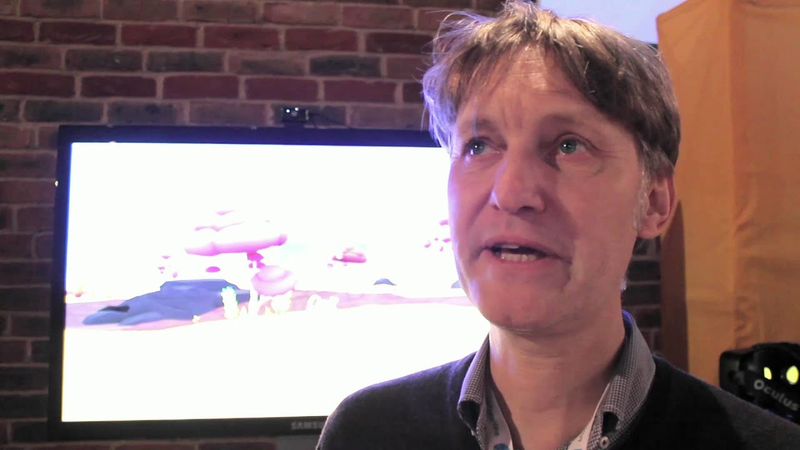
my name is local it's hoped I'm with application systems I'm work we're a software company obviously and we're presenting kappa lutsen sees the light which is a mediators puzzle game in dr and we decided to do that because we want to do something different from other we are approaches that doesn't make people motion sick and it's a very calm slow paced game where you totally immerse yourself in the game there's lots of stuff to explore as well as a brain-teasing puzzle and our experience here was great because we felt that a lot of people appreciated that kind of approach well you said you want to do something a little bit different with via what is it about these particular
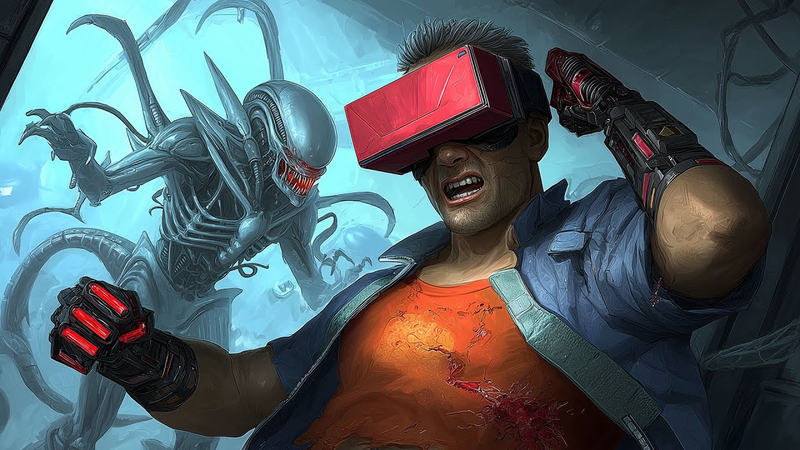
game mechanic subject themselves to or 3d space there's a lot of shooters and horror horror games that make really good use of scaring people and stuff but they're very likely to create motion sickness because you have to make sure that your framerate is constantly maintained at 90 frames per second per I which is quite challenging that's why we moved on to this kind of low poly models for the for the graphics because your brain registers if you drop out of that frame rate you know you don't really see it but sooner or later you feel kind of 6 and we wanted to make sure that doesn't happen and i think the game does a good job so you've come to gamer connects today you're at the biggity pitch here right now why come to an event like this what's the benefit for a developer like
you well first of all it's very good for us good feedback because we have to reality check our own ideas and it seems that a lot of people agree that this is a good approach also gave us an opportunity to talk to journalists to fellow developers and see what their opinion is and maybe we even win a prize you know always helps yeah
Developing virtual reality experiences requires a strategic approach to mitigate motion sickness, a common barrier to user comfort in immersive environments. By prioritizing a slow-paced, meditative puzzle design, developers can create engaging content that avoids the physiological distress often associated with high-intensity VR genres like shooters or horror. Maintaining a consistent frame rate of 90 frames per second per eye is essential for user comfort, as even minor fluctuations can trigger nausea. To achieve this technical stability, utilizing low-poly graphic models serves as an effective optimization strategy, ensuring the hardware can sustain the necessary performance requirements without compromising the player's sense of immersion.
The development of Seize The Light demonstrates that there is a significant market appetite for calm, exploratory VR experiences that emphasize brain-teasing mechanics over fast-paced action. Beyond technical considerations, the success of such projects relies on iterative testing and external validation. Engaging with industry events and pitching to peers and journalists provides a vital reality check for developers, allowing them to refine their concepts based on direct feedback. These interactions are instrumental in gauging whether a specific design philosophy resonates with the broader gaming community and help developers navigate the unique challenges of the evolving VR landscape.

PocketGamer.biz · 2026

PocketGamer.biz · 2026

PocketGamer.biz · 2026

PocketGamer.biz · 2026

PocketGamer.biz · 2026

PocketGamer.biz · 2026

PocketGamer.biz · 2026

PocketGamer.biz · 2026

PocketGamer.biz · 2026

PocketGamer.biz · 2026

PocketGamer.biz · 2026

PocketGamer.biz · 2026