1 free read left. Create a free account for unlimited reading + AI research.
Create free accountArticle Naavik
1 free read left. Create a free account for unlimited reading + AI research.
Create free accountArticleNaavik
AI-driven decompilation tools are fundamentally altering the game development landscape by industrializing the conversion of binary code into human-readable source code. This technological shift has lowered the barriers to entry for amateur developers, resulting in a proliferation of unauthorized ports and viral mash-up mods. As proprietary code becomes increasingly vulnerable to reverse engineering, traditional intellectual property protections and closed-ecosystem strategies are losing their efficacy. Consequently, studios are being forced to pivot their defensive strategies, shifting focus away from technical obscurity toward the cultivation of strong, recognizable brand identities and unique intellectual property that cannot be easily replicated through automation.
The industry is currently navigating a period of transition where the primary drivers of value are migrating toward distribution advantages and user-generated content platforms. While major publishers are actively integrating AI to streamline development pipelines and quality assurance, the broader creative application of these tools remains contentious due to potential player backlash. This tension highlights a growing divide between operational efficiency and the preservation of creative integrity. As AI continues to democratize development, the bottleneck for success is shifting from team size and technical resources to individual judgment and architectural decision-making.
Looking forward, the rapid evolution of these tools necessitates the establishment of clear industry standards regarding consent and disclosure. Without proactive governance, the ethical boundaries surrounding AI usage in commercial game production risk becoming permanently blurred. The future of the industry lies in balancing the empowerment of individual creators with the need for sustainable business models that respect intellectual property rights. As AI-native platforms gain prominence, the ability to foster authentic user-driven content will likely become the definitive competitive advantage for developers and publishers alike.
 UbisoftCompany · Game company · 754 documents
 P.T.Game · Kojima Productions · 2014 · 8 documents
 Sega Sammy HoldingsCompany · Japan · founded 2020 · 145 documents
 CapcomCompany · Japan · founded 1979 · 288 documents
 KonamiCompany · Japan · founded 1969 · 139 documents
 Elden RingGame · FromSoftware · 2022 · 302 documents
 Call of Duty 4: Modern WarfareGame · Infinity Ward · 2007 · 9 documents
 BloodborneGame · FromSoftware · 2015 · 29 documents
 Grand Theft Auto VGame · Rockstar North · 2013 · 210 documents
 TikTokCompany · Technology · 765 documents
 PlayStationCompany · Game company · 1,755 documents
Each row is a game or company this document names, each column a document, oldest first. A mark means that document names it. Select a row to see those documents.

Naavik · 2026

Thomas Brush · 2026

PocketGamer.biz · 2026
Southwest University · 2026
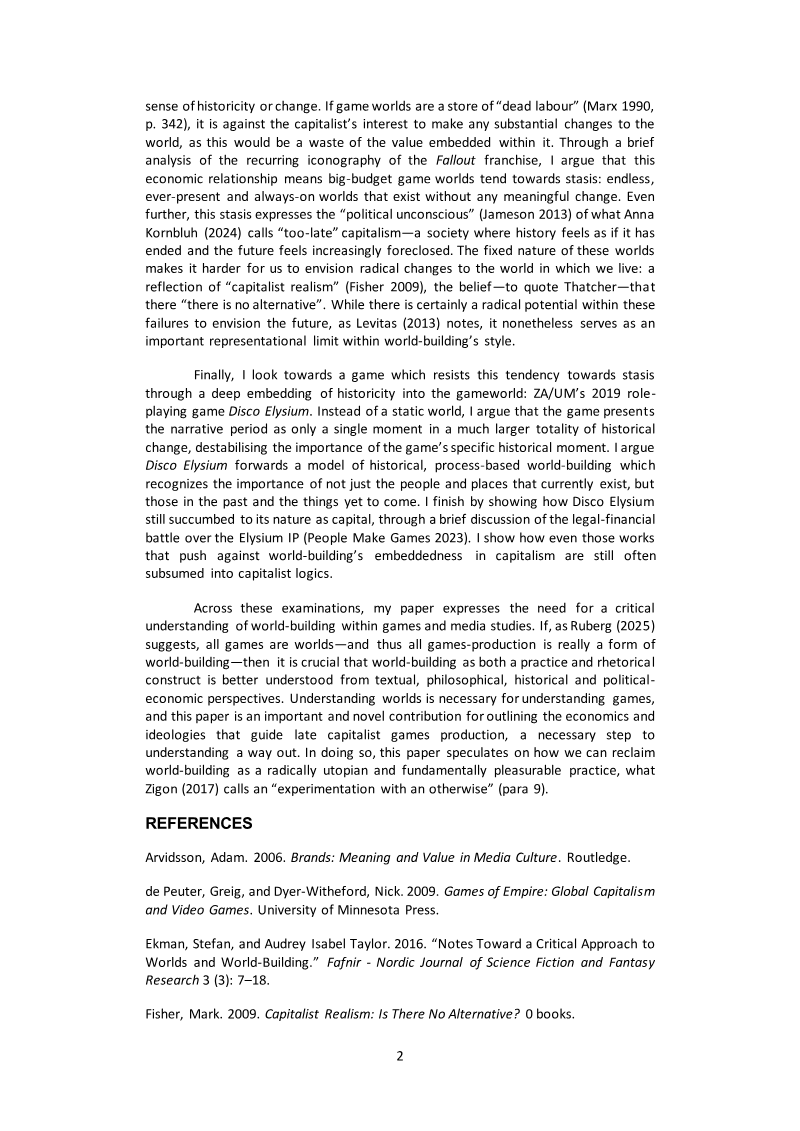

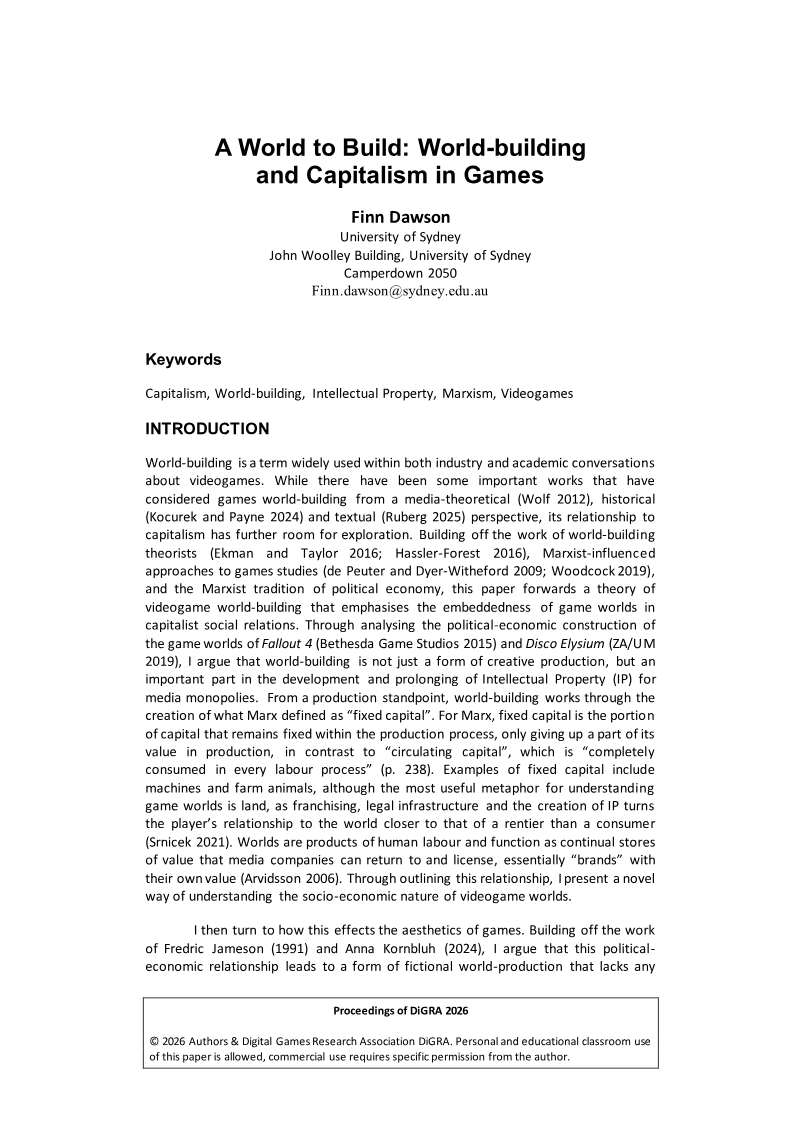
DiGRA · 2026



DiGRA · 2026
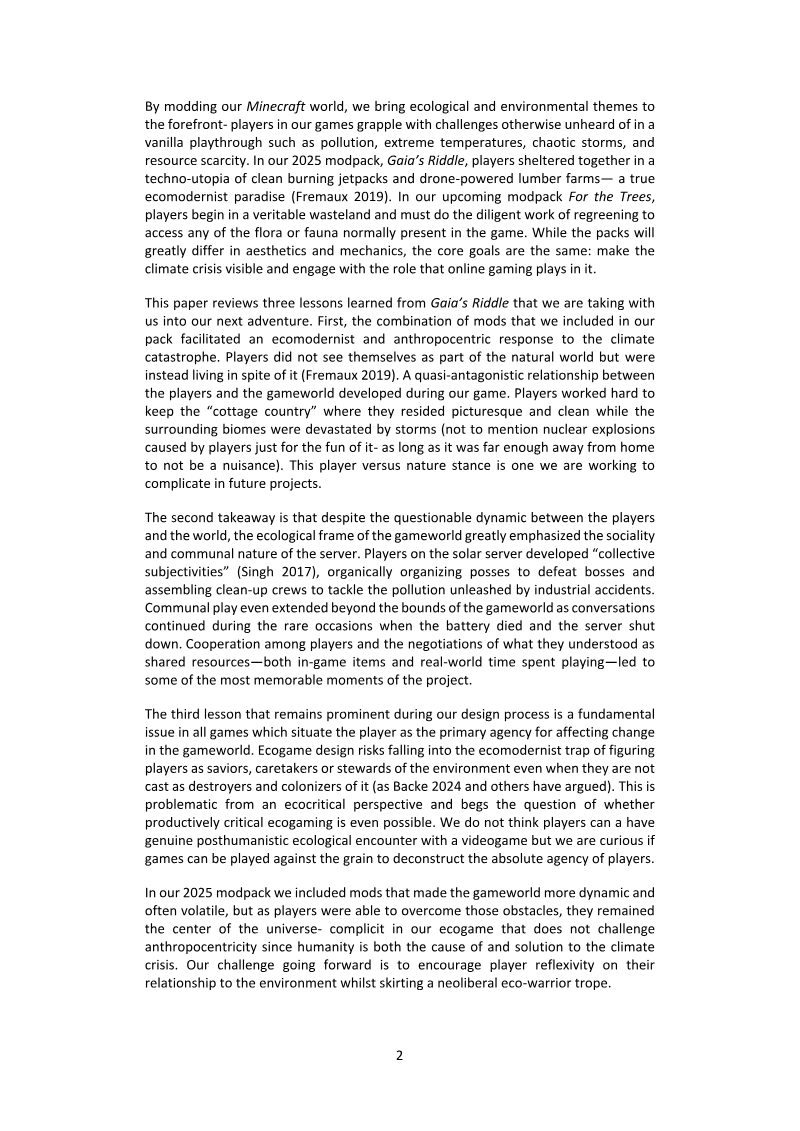
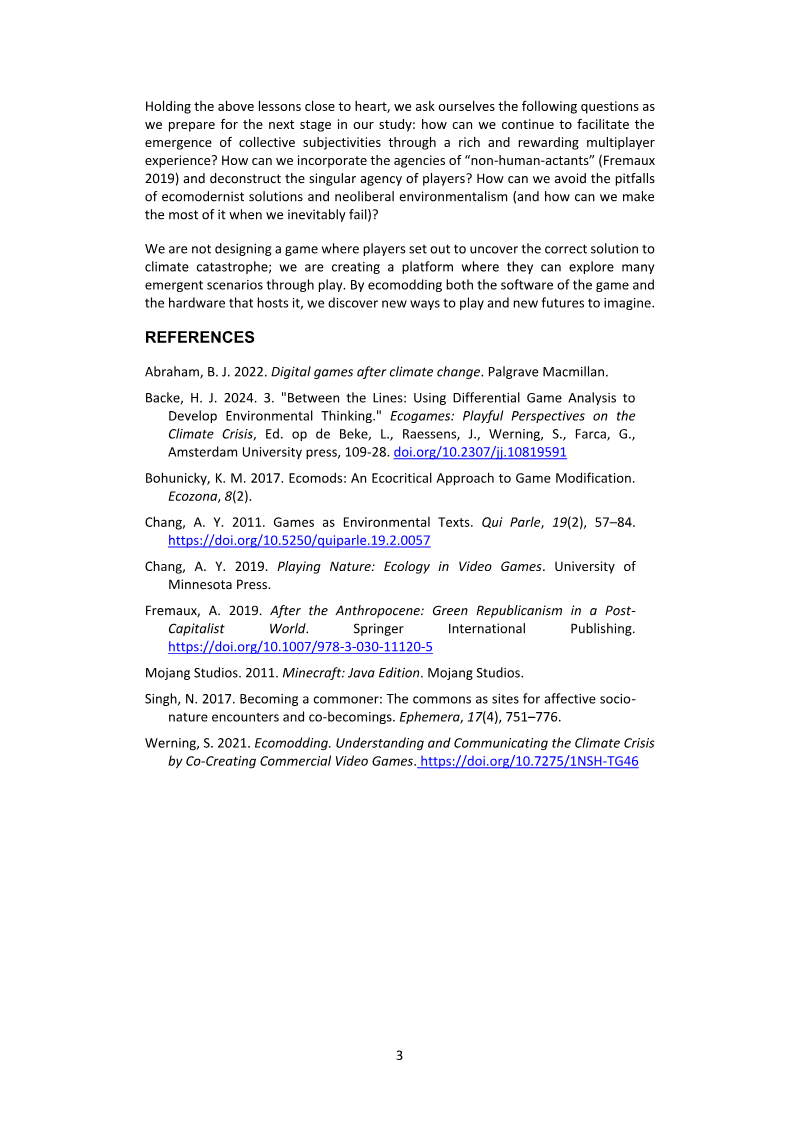
DiGRA · 2026



DiGRA · 2026
DiGRA · 2026

PocketGamer.biz · 2026

Mobile Dev Memo · 2026

Journal of Games, Game Art, and Gamification · 2026
DiGRA · 2026