The SAG-AFTRA strike against ten major publishers, including Activision, Electronic Arts, and Take-Two, is deadlocked over AI protections, specifically regarding informed consent and compensation for the digital replication of performers' voices, faces, and bodies.
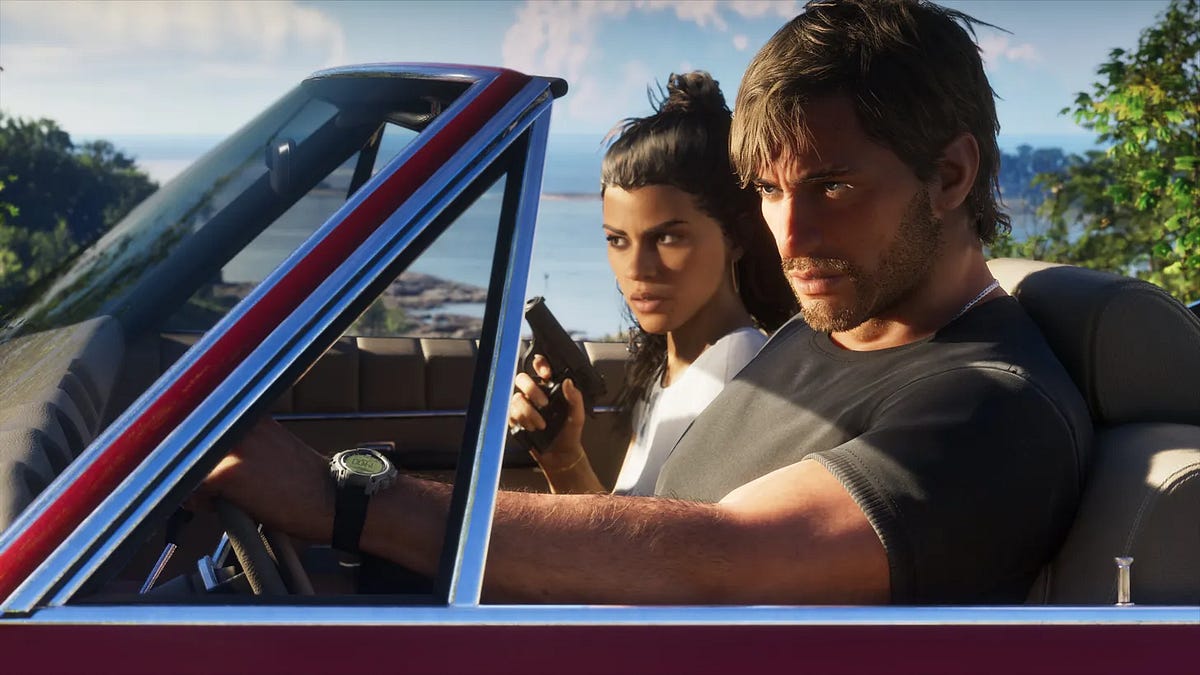
The strike's operational impact is limited because it only applies to projects commissioned after September 2023, leaving long-term titles like Grand Theft Auto VI and existing live-service games largely unaffected.
Gaming companies are mitigating domestic labor disruptions by utilizing international development hubs, such as the UK, where local unions have advised members to continue working to avoid contractual breaches.
A primary point of contention remains the union's demand to include non-speaking motion and stunt performers under the Interactive Media Agreement, a group currently excluded by the companies.
Despite the labor dispute, the broader industry shows commercial resilience, with total private funding for 2024 already exceeding 2023 levels, even as Q2 2024 venture funding saw a 20% quarter-on-quarter decline.
The European gaming market remains a strong growth area, evidenced by German consumer spending on hardware and software reaching €9.97 billion.
This analysis examines the implications of the SAG-AFTRA strike authorized against ten major video game companies, including Activision, Electronic Arts, and Take-Two Productions. The primary thesis suggests that while the strike represents a critical standoff regarding the use of generative artificial intelligence, its immediate operational impact on the gaming industry will likely be less severe than the 2023 Hollywood film and TV strikes.
The core of the dispute centers on the Interactive Media Agreement (IMA). Negotiators report that while 24 out of 25 items are resolved, the parties remain deadlocked over AI protections for performers. Specifically, the union seeks informed consent and fair compensation for the use of AI to replicate faces, voices, and bodies. A significant sticking point is the coverage of non-speaking motion and stunt performers, whom companies currently argue fall outside the collective bargaining agreement.
The scope of the strike is geographically concentrated in the United States and applies only to projects commissioned after September 2023. Consequently, major live-service titles and long-term projects like Grand Theft Auto VI are largely unaffected. Furthermore, the global nature of game development allows companies to bypass domestic labor disruptions by hiring non-union talent in international hubs such as the UK, where local unions have advised members to continue working to avoid breach of contract.
Additional industry data points highlight a complex financial landscape. While venture funding for games dropped 20% quarter-on-quarter in Q2 2024, total private funding for the year has already surpassed 2023 levels. In European markets, Germany reported significant growth, with consumers spending €9.97 billion on gaming hardware and software. These statistics suggest that while labor relations face a transformative test case regarding AI, the broader industry maintains significant commercial momentum.