1 free read left. Create a free account for unlimited reading + AI research.
Create free account
Very Big Indie Pitch 2015 winner - Joel Nystrom from Ludosity
Key insights
5 takeaways- 01Ludosity, established in 2008, identifies a market shift toward physical and social gameplay, exemplified by their collaborative title 'Progress' which uses shared physical discomfort as a core mechanic.
- 02Success in the volatile mobile gaming market requires developers to maintain strict product focus and avoid the common pitfall of over-committing to excessive feature sets.
- 03The mobile industry is currently defined by a 'gold rush' mentality, characterized by high competition and the prevalence of low-effort app flipping and re-skinning.
- 04Despite the persistence of low-effort development practices, the mobile market remains highly susceptible to sudden, disruptive innovations that can shift industry trends overnight.
- 05Industry veterans possess a critical advantage in scope management and the discipline to decline unnecessary project additions, balancing the agility and enthusiasm of younger developers.
Ask AI about this video
Transcript
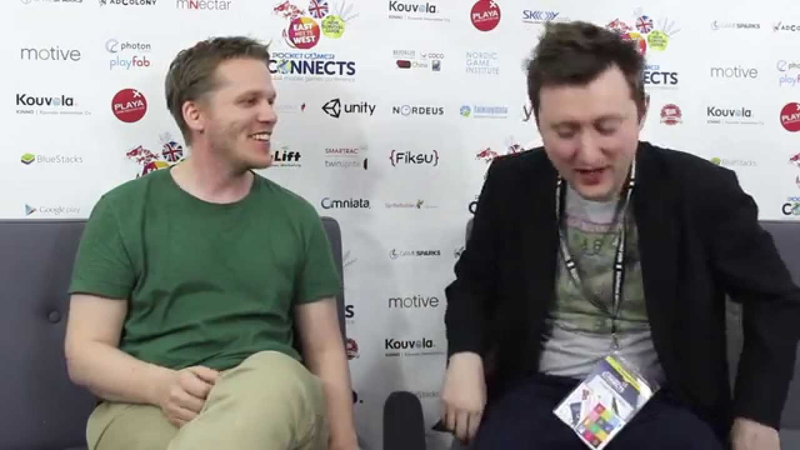
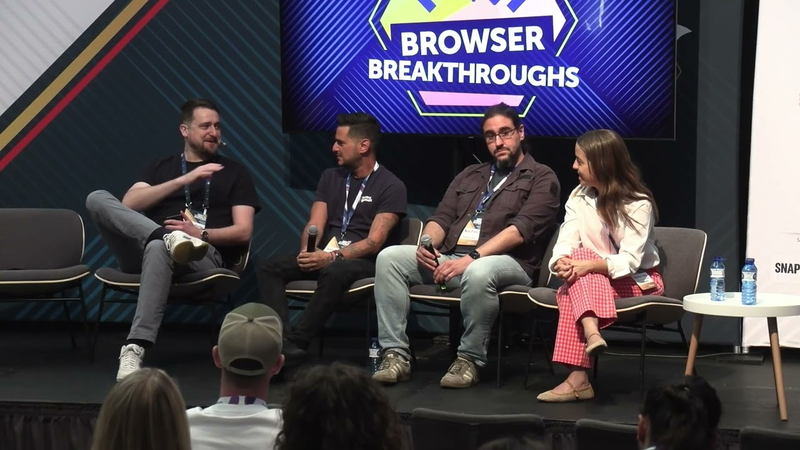
if you'd like to introduce yourself yeah i'm joel from ludacity we've been around for a while now since 2008 and we're here with progress which is the first game that we're publishing with an external developer called tim tim nervous from copenhagen fantastic and uh progress was deservedly the winner of our very big indie pitch how did you find the experience uh i was extremely nervous especially at the announcement but uh the pitching was really fun uh the game that we have it wasn't really isn't really suited to talk about so i just showed it yeah it was a bold it was a bold sort of um move by you sort of like rocked up you have three you know three minutes to present the game yeah and instead you just sort of sat there
and went and i took a vine and i put it online while you were yeah you were doing you were doing a lot of media stuff well the media were looking at your cool thing and you know so to describe i mean how would you describe the game itself uh it's uh well it's it's a party puzzle game uh in a way uh you're presented with a hint or a puzzle and it's up to you to figure it out and as it progresses it gets quite tricky quite tricky indeed um yeah so we've already captured some video of it and we've got it on our apps by channel of me making a complete fool of myself um it's uh yeah well yeah and uh i think is there is there a lot of room at the moment in the game space for games that make you do lots of physical absolutely that's i think that's the biggest thing right now and um especially tim tim out of copenhagen in the copenhagen game collective they're known for games like joust and button and
other awkward games like the dark room sex game that's really happening now finger yeah so definitely i think uh games are moving out of that you know young boys playing technical stuff and being i mean it's out there it's everywhere so yeah definitely i mean so what do you feel like the appeal of those games it's like why does somebody want to play a game where that makes them look embarrassed oh well that's because your friend hands it to you because he wants you to be embarrassed in our case i think i think that's going to be the most fun we're going to see with this game that one guy plays it and then you think well i'm going to make you look bad well it certainly did make me look bad yeah um so uh the i want to come back to this uh the very big indie pitch um yeah obviously you know we get lots of cool
indies we get lots of cool um companies come along and pitch their games and the the quality is generally quite high uh it does waver a little bit sometimes but um generally we find we get really really cool entrance and stuff like that and but the the thing that remains consistent is that we have we always see one or two indie developers come to the show and they don't really know how to pitch a game you know they'll make like really classic mistakes what what's your like one big tip that you would give to uh to somebody who's pitching their game not necessarily on a big knee pitch but just to an investor or another well you have to be confident in your own game if you're not maybe you don't have the right game to pitch i mean that's number one i don't know i i think we i was pretty lucky this time i don't consider myself an expert uh but you know have a good game is that's all i can say have a good game and uh yeah i mean it sounds silly but but i think
there's a bit of a gold rush or there's definitely a gold rush right now especially mobile and uh maybe too many too many players in this game so it's a bit of a gold rush i think that's something that we're hearing a lot of um there are a lot of let's say slightly inscriptible people who are kind quite happy flipping apps you know or you know basically re-skinning the same game multiple times and trying to through search engine optimization make them a success is that is that a bubble that's going to burst or is that something that you see going on into the future i'm not i can't really see it going away really because i can't see the industry getting any smaller so um unfortunately i think that's always going to be there but the great thing about games is that we every so often we see something that just comes out of nowhere and flips everything upside down and then you know of course after that
everyone rushes to that thing but so do you need to be first on the scene with something pretty much well but uh yeah but that that's that's what makes it fun that's what makes it stressful to be in this industry that it changes so quickly so so so this industry is it's interesting you say this industry is fun and then you said and this industry is stressful there's a lot of uh very there's a lot of young uh mostly men uh although increasingly women uh in the in the sort of indie space um a lot of young people looking very tired um is is is sort of surviving as an indie is it a young person's game no no i don't think so i think i think we're seeing quite a lot of people with a lot of experience uh you know
talking maybe across companies and then coming to the conclusion that we're going to form a new company and you know veterans get to hit the ground running within against i'm not thinking of anything right now but like for example i think peter molyneux for example you know comes away from lionhead and comes away from microsoft and sort of goes right i'm going to make 22 cans right yeah and isn't it 21 is it 20 i want to say it's 22 21 22 maybe he's always over delivery but like you know he comes out and he's got all of this experience and then he goes right now i'm going to be an indie developer yeah do you do you feel like that's i mean is there like a feeling that that's fair yeah of course yours is fair of course it's fair i i i i admire people switching careers you know even at a later age and is there anything that is there anything that you feel the sort of
younger developers bring to the table that older developers don't or vice versa well with all the developers even if they have a startup i think they are smarter uh generally and they um they say no more younger developers or younger whatever entrepreneurs tend to say yes too much and you may might do too much you might take on too much and that might not break out i need to find that focus i forgot the question don't worry about it i think that that's probably going to be a good good space to stop the interviews
Summary
The Swedish developer Ludosity, established in 2008, emphasizes the growing importance of physical, social, and unconventional gameplay in the current indie market. Their title Progress, developed in collaboration with Tim Tim Nervous from Copenhagen, serves as a prime example of this trend. The game functions as a party puzzle experience that intentionally places players in awkward or embarrassing physical situations, leveraging the social appeal of shared discomfort. This shift reflects a broader movement in the industry away from traditional, technical gaming toward experiences that prioritize social interaction and physical engagement.
The current mobile gaming landscape is characterized by a gold rush mentality, marked by high competition and the prevalence of low-effort app flipping and re-skinning. While these practices are expected to persist due to the industry's continuous growth, the market remains susceptible to sudden, disruptive innovations that can shift trends overnight. Success in this volatile environment requires developers to maintain confidence in their core product, prioritize focus, and avoid the common pitfall of over-committing to too many features.
Regarding the demographics of the indie sector, the industry is not exclusively a young person’s domain. While younger developers often bring enthusiasm and a tendency to say yes to new opportunities, they frequently struggle with scope management. Conversely, industry veterans possess the experience to hit the ground running and the discipline to say no, which is critical for maintaining project focus. Ultimately, the industry benefits from a mix of perspectives, as the rapid pace of change rewards both the agility of newcomers and the strategic wisdom of experienced professionals.
















Comments