The European gaming job market in 2026 is characterized by declining employee sentiment, significant structural shifts toward contract-based labor, and widespread uncertainty regarding the integration of artificial intelligence. Based on the tenth edition of the Big Games Industry Employment Survey, which gathered data from 1,800 respondents across 90 countries, the industry is experiencing a notable downturn in morale. The employee Net Promoter Score (eNPS) has fallen to -9.8, continuing a downward trend that began in 2022. Only 34% of employees believe their companies possess effective retention processes, and nearly half of the workforce is actively considering a job change within the next six months.
Artificial intelligence is a primary driver of this professional anxiety. While 78% of workers report that AI has altered their daily tasks, 61% express concern over increased pressure to work faster and produce higher volumes of output. Furthermore, 46% of respondents find it increasingly difficult to evaluate professional skills in the current environment. Studios are responding to these pressures by keeping teams lean, with 60% of founders intentionally limiting headcount and 35% opting not to hire for roles they believe can be covered by AI tools.
The industry is also undergoing a fundamental change in employment models. Full-time, permanent roles are becoming less common, shifting toward a project-based structure where only core leadership remains on staff. Consequently, studio spending on external talent grew by 63% in 2025. While this creates opportunities for contractors, both sides of the market struggle with instability; freelancers report difficulty finding consistent work, while studios cite challenges in verifying the quality of external specialists. Salary data reflects this volatility, with median pay for many mid-level and senior roles plateauing or declining, even as competition for open positions intensifies.
Values Value · 2026
InGameJob · 2025
InGameJob & Values Value · 2025
InGameJob · 2024
8Bit · 2026

Ukie · 2025
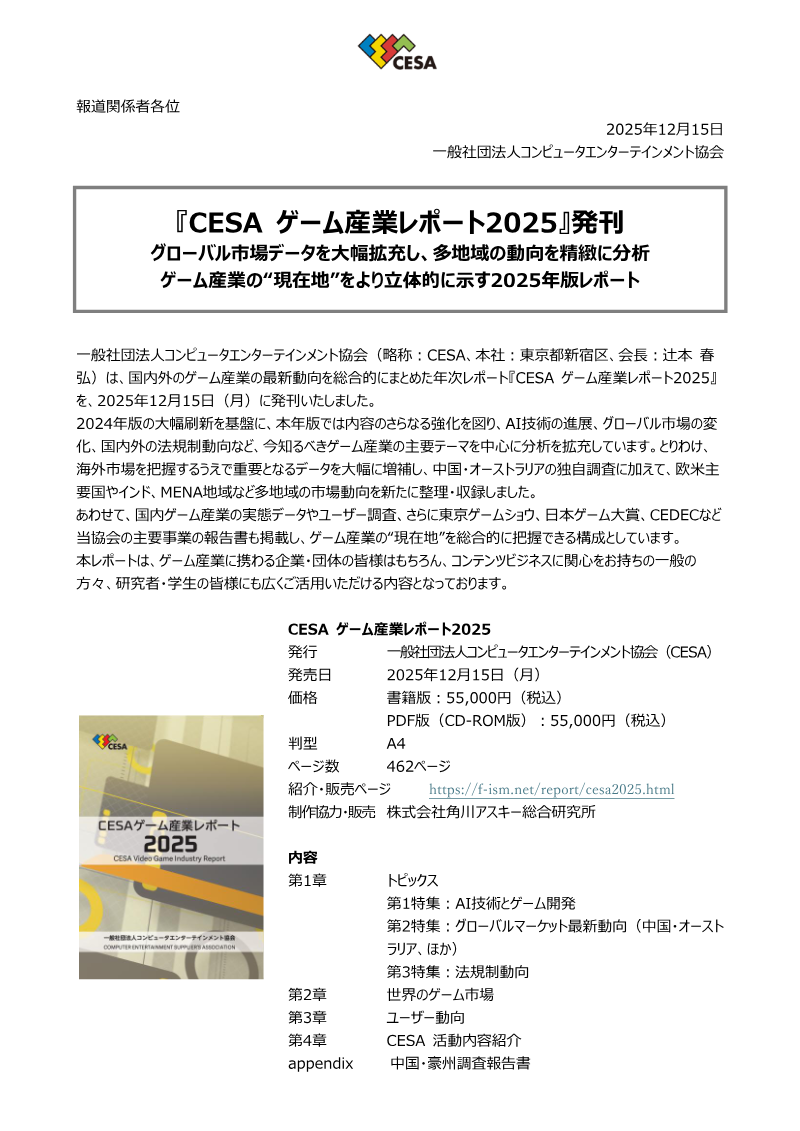
CESA – Computer Entertainment Supplier's Association · 2025
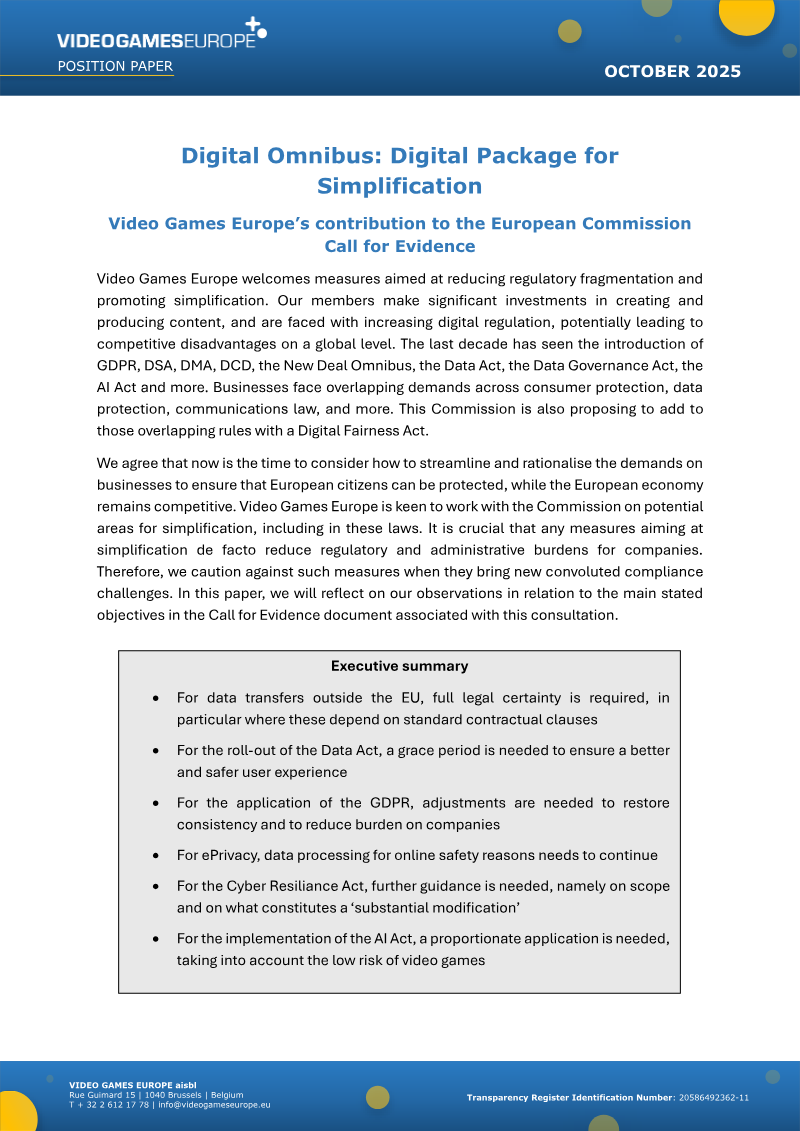
Video Games Europe · 2025

Direcció General d’Innovació i Cultura Digital · 2025
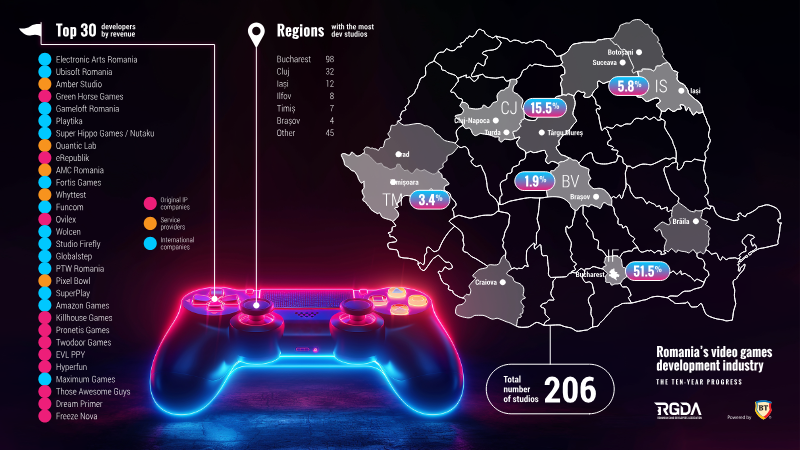
RGDA – Romanian Game Developers Association · 2025
GDC · 2025
Polish Agency for Enterprise Development · 2025
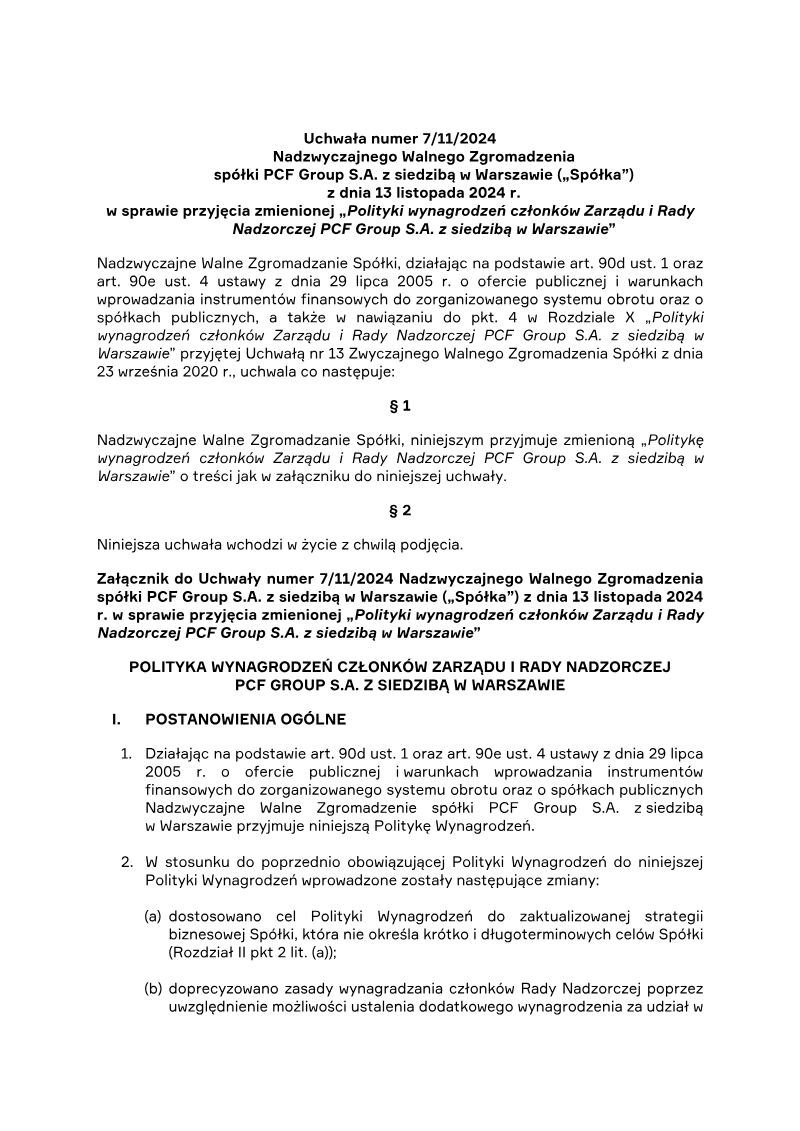
PCF Group · 2024
PGDA – Pioneers of Game Development Austria · 2024
Informa · 2024
Video Games Europe · 2024