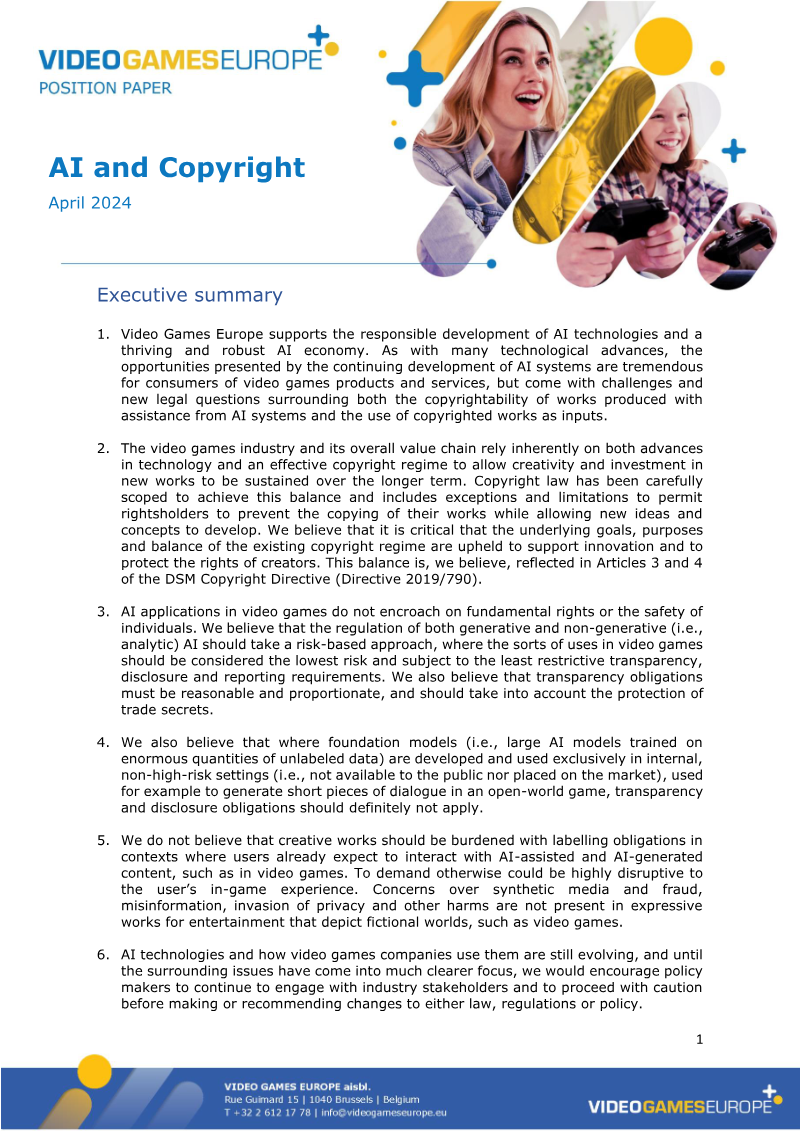
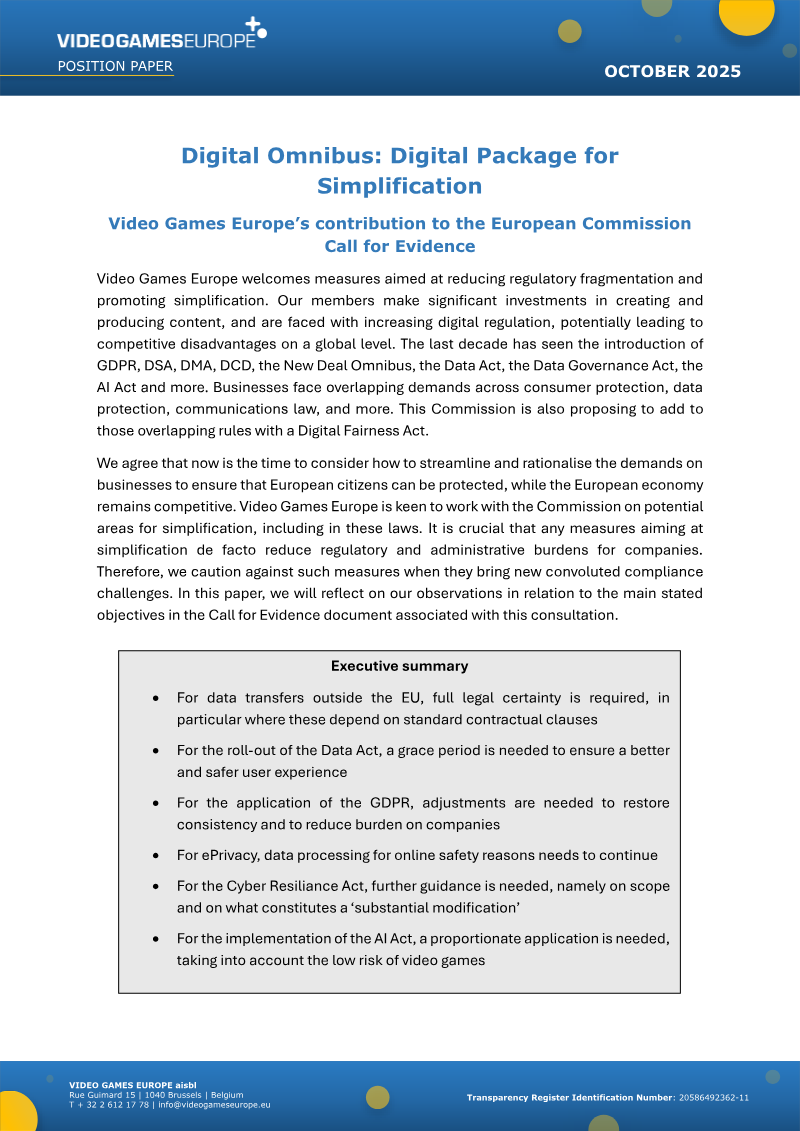
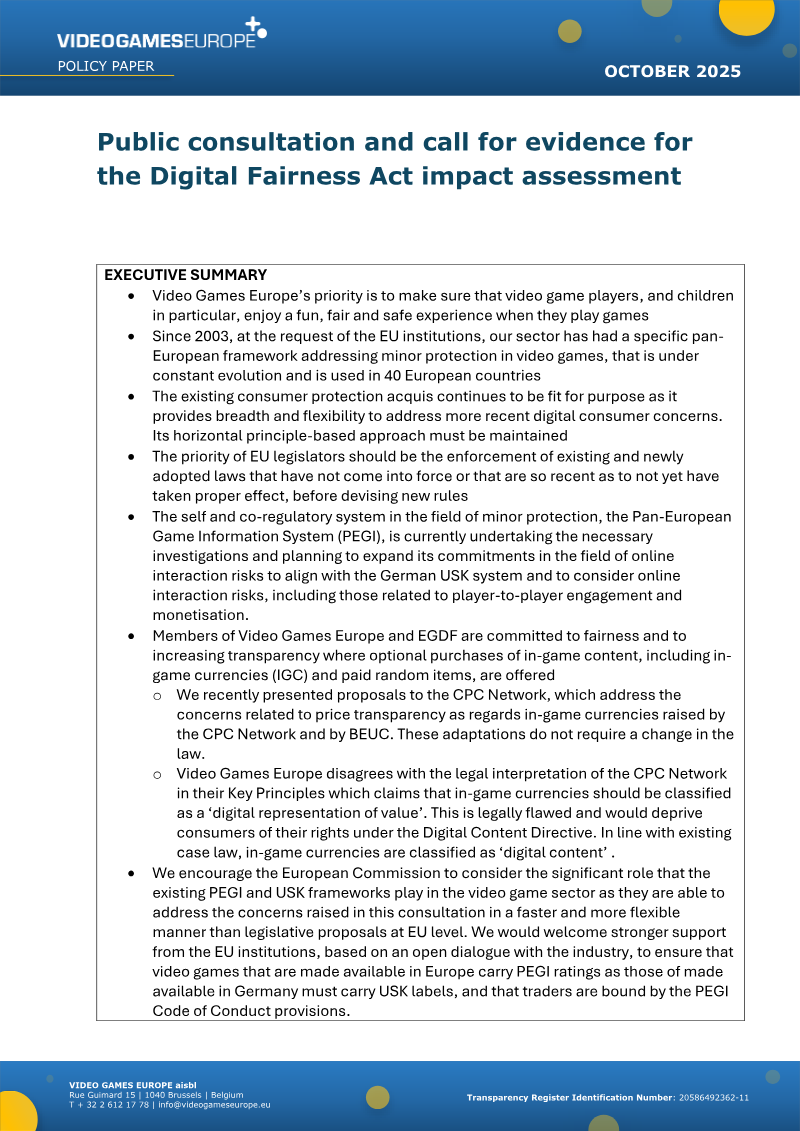
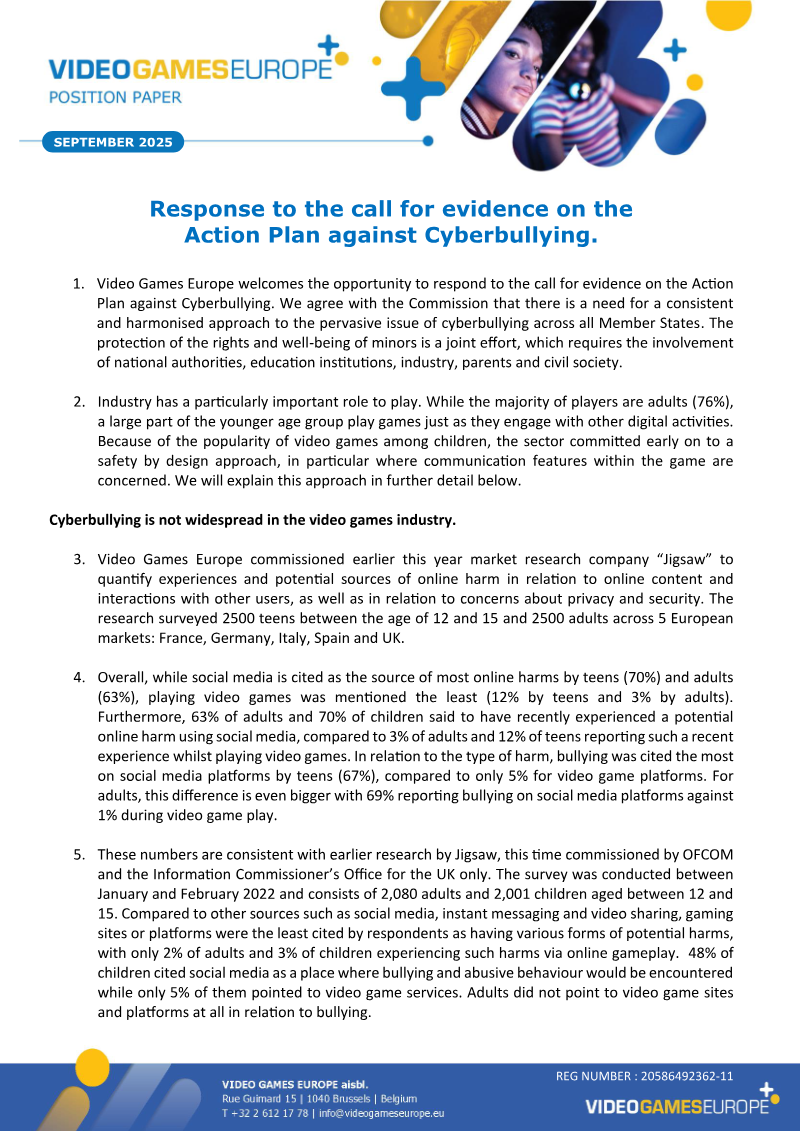
The paper advocates a balanced approach to artificial‑intelligence deployment in the European video‑games sector, emphasizing that AI should be nurtured as a driver of creativity and economic growth while preserving the core objectives of the existing copyright framework. It argues that the industry’s reliance on technological innovation and a robust copyright regime is essential for long‑term investment, and that any regulatory response must protect creators, respect trade secrets and avoid unnecessary burdens on developers and players.
AI has been embedded in games for more than a decade, from procedural terrain generation to advanced moderation tools, and generative models now promise to accelerate content creation, reduce production costs and enrich player experiences. The paper notes that most AI applications remain non‑generative, but where generative tools are used—whether for code, narrative or visual assets—they should be treated as ordinary creative aids: works that reflect a human author’s original choices retain copyright protection. It endorses the text‑and‑data‑mining exceptions of the EU’s DSM Copyright Directive as a suitable legal basis for training models, warning against additional EU legislation that could create uncertainty and distort competition.
Risk‑based regulation is recommended, with low‑risk uses such as internal foundation models for short dialogue exempt from mandatory transparency or labeling. Mandatory disclosure should be limited to cases where it does not jeopardize trade secrets or impose disproportionate costs, and labeling obligations are deemed unnecessary in contexts where players already expect AI‑assisted content. The paper also highlights the need for international cooperation to harmonize standards and protect creators globally.
The position reflects the perspective of a pan‑European industry body representing 19 game companies and 13 national trade associations, a sector valued at €24.5 billion with 53 % of Europeans identified as players. It calls on policymakers to engage continuously with stakeholders, to proceed cautiously with any legal changes, and to preserve the balance between innovation and creator rights that underpins the European video‑games ecosystem.
Video Games Europe · 2026

Video Games Europe · 2026

Video Games Europe · 2026

Video Games Europe · 2026

Video Games Europe · 2026

Video Games Europe · 2026
Video Games Europe · 2025
Video Games Europe · 2025
Video Games Europe · 2025
Video Games Europe · 2025
Video Games Europe · 2025
Video Games Europe · 2025

King · 2026

Sensor Tower · 2026
SocialPeta · 2026

Sensor Tower · 2026
GDC · 2026
BITKRAFT Ventures · 2026
8Bit · 2026
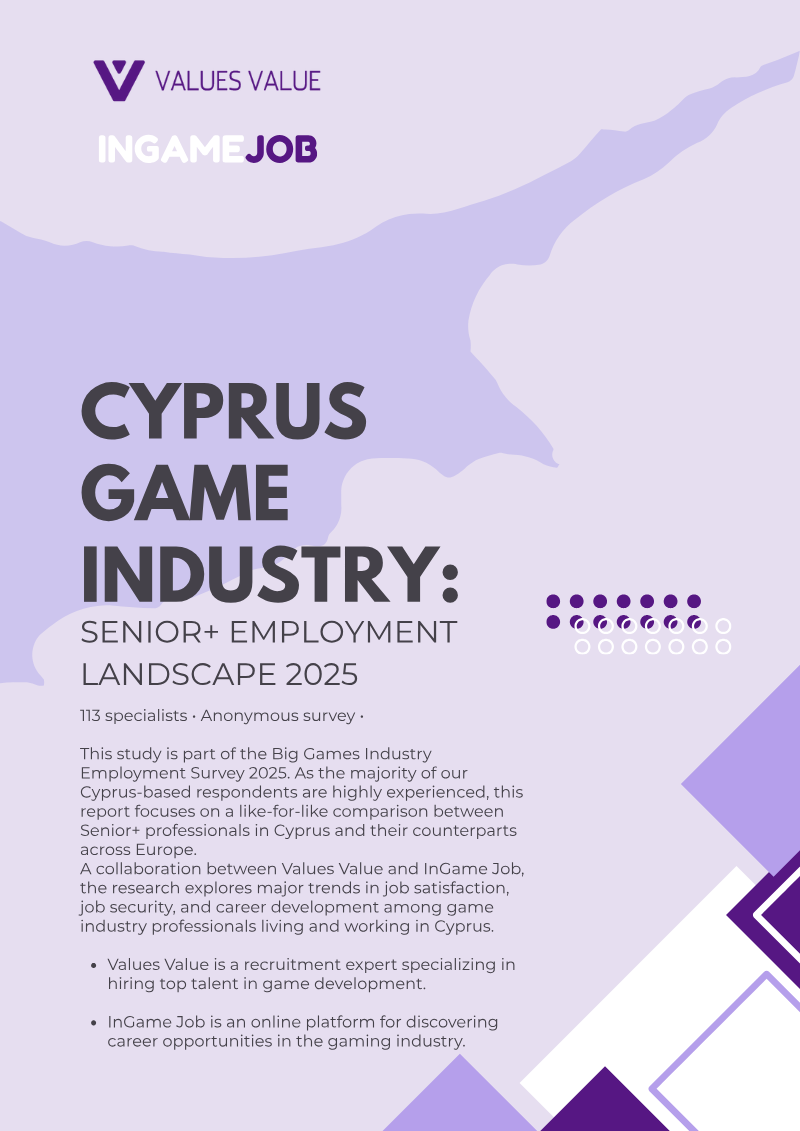
Values Value · 2026

Raptive · 2026
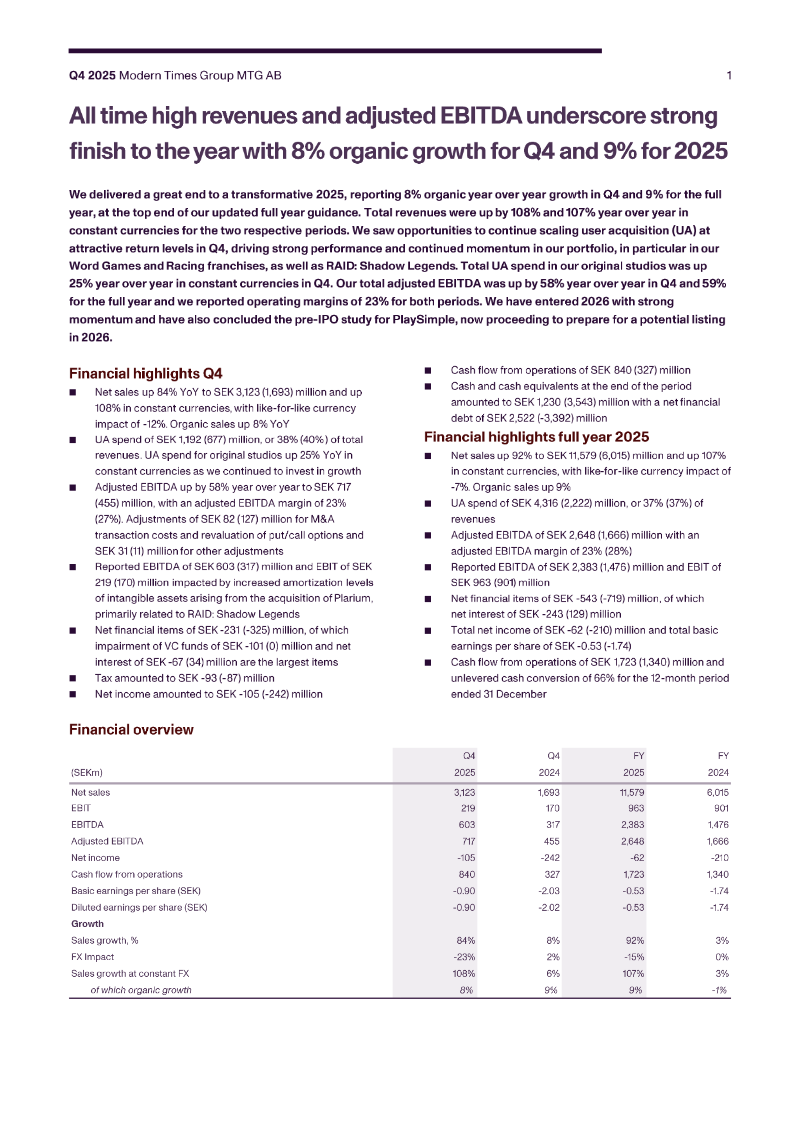
Modern Times Group · 2026

InvestGame · 2026
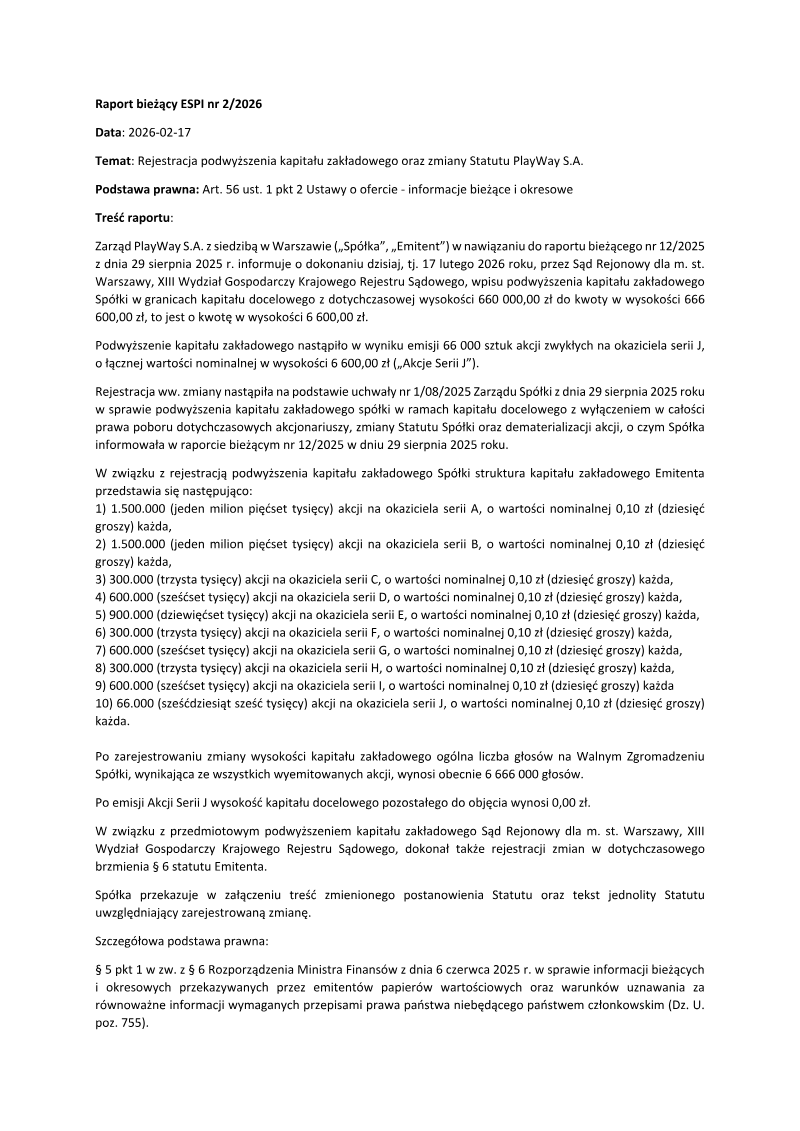
PlayWay · 2026