More from Hindawi Publishing Corporation
View all
Whitepaper
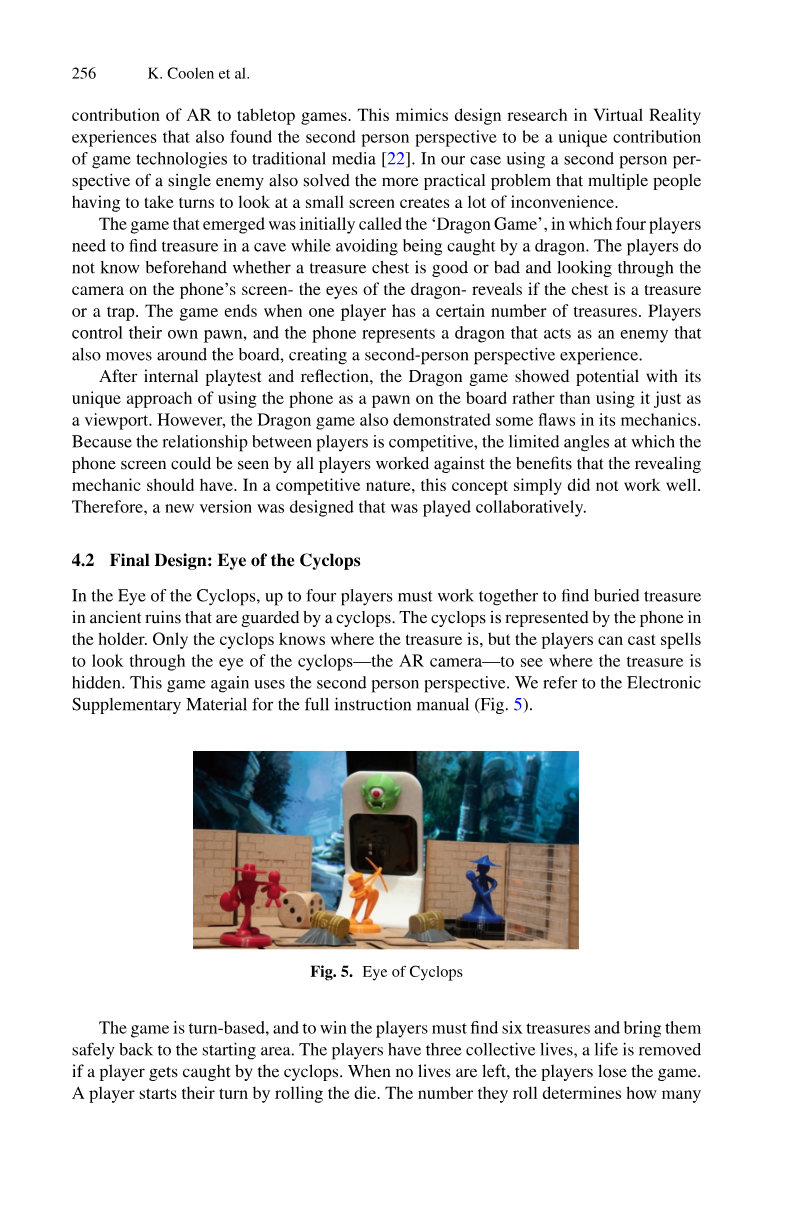
Procedural Content Graphs for Urban Modeling
Hindawi Publishing Corporation · 2015
Whitepaper
A Comprehensive Study on Pathfinding Techniques for Robotics and Video Games
Hindawi Publishing Corporation · 2015
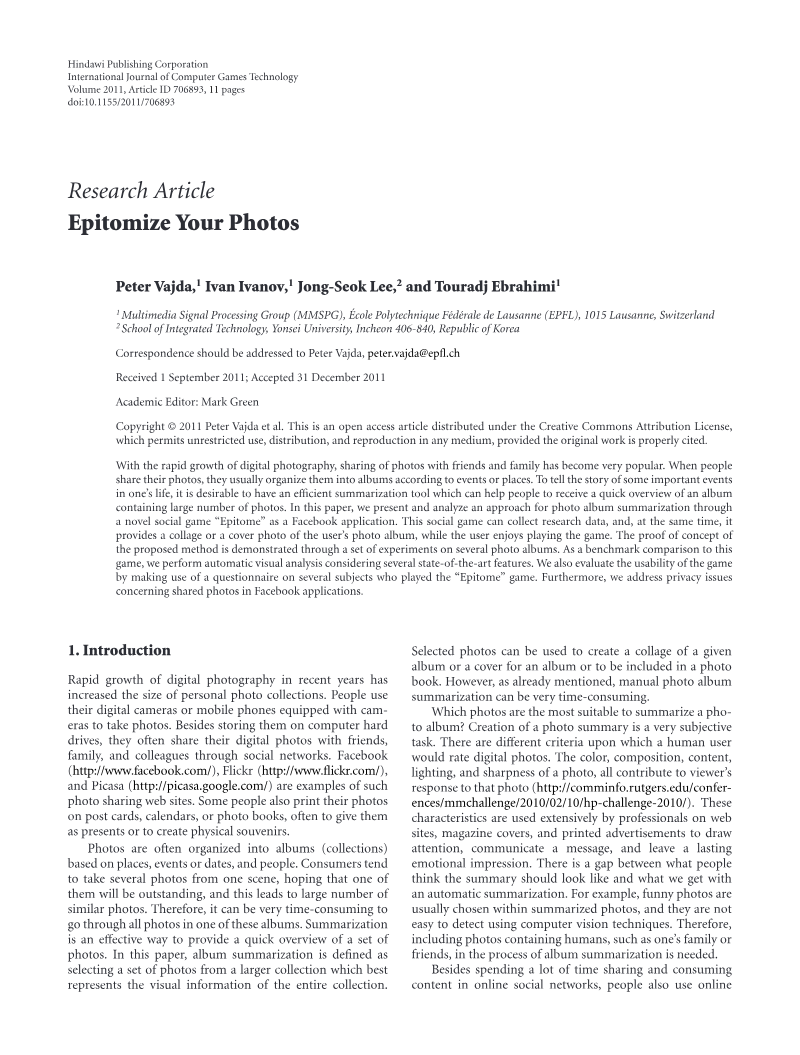
Whitepaper
Epitomize Your Photos
Hindawi Publishing Corporation · 2011
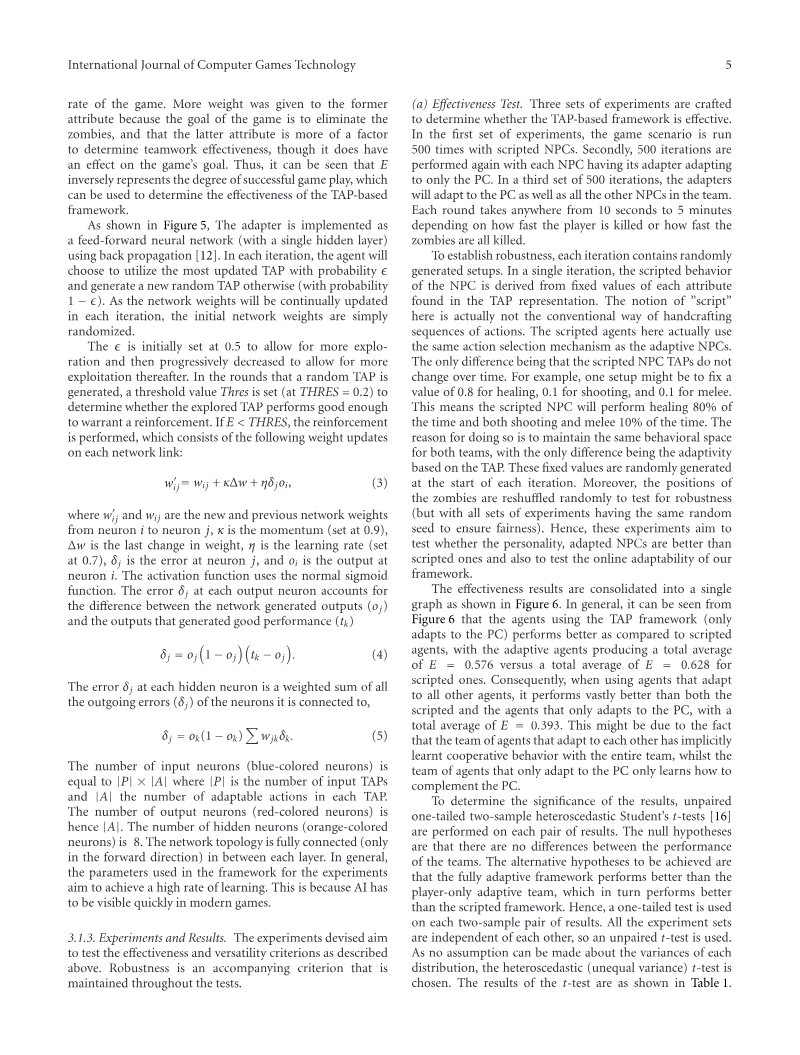
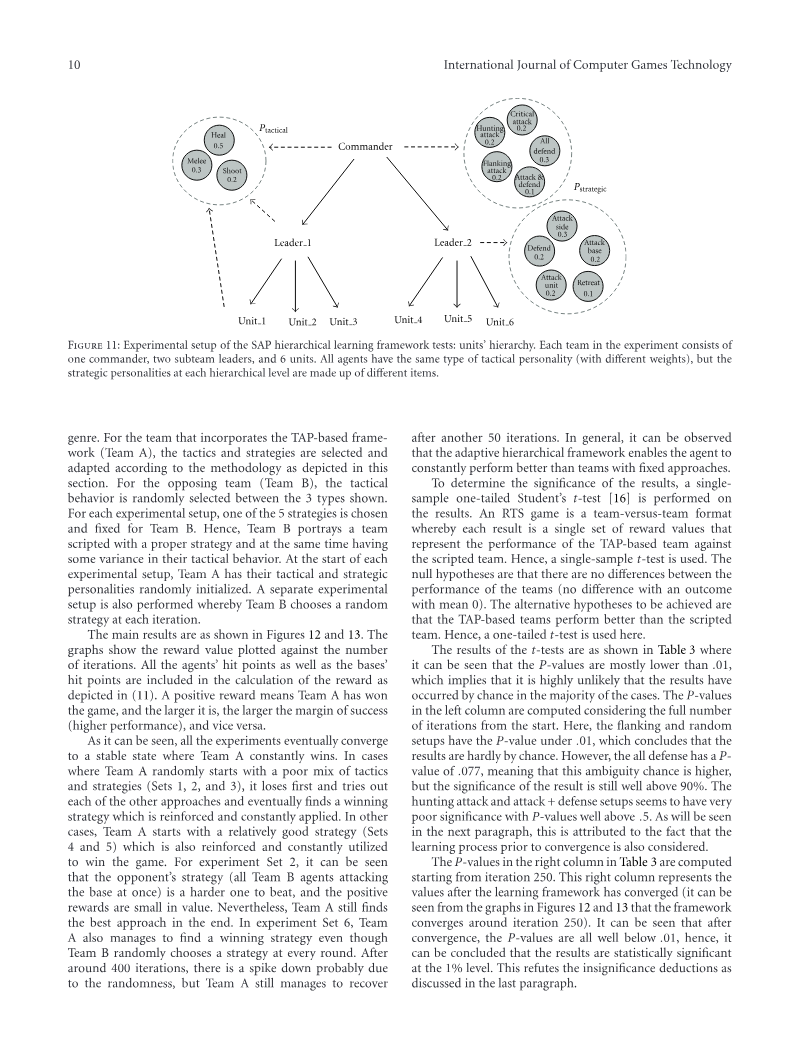
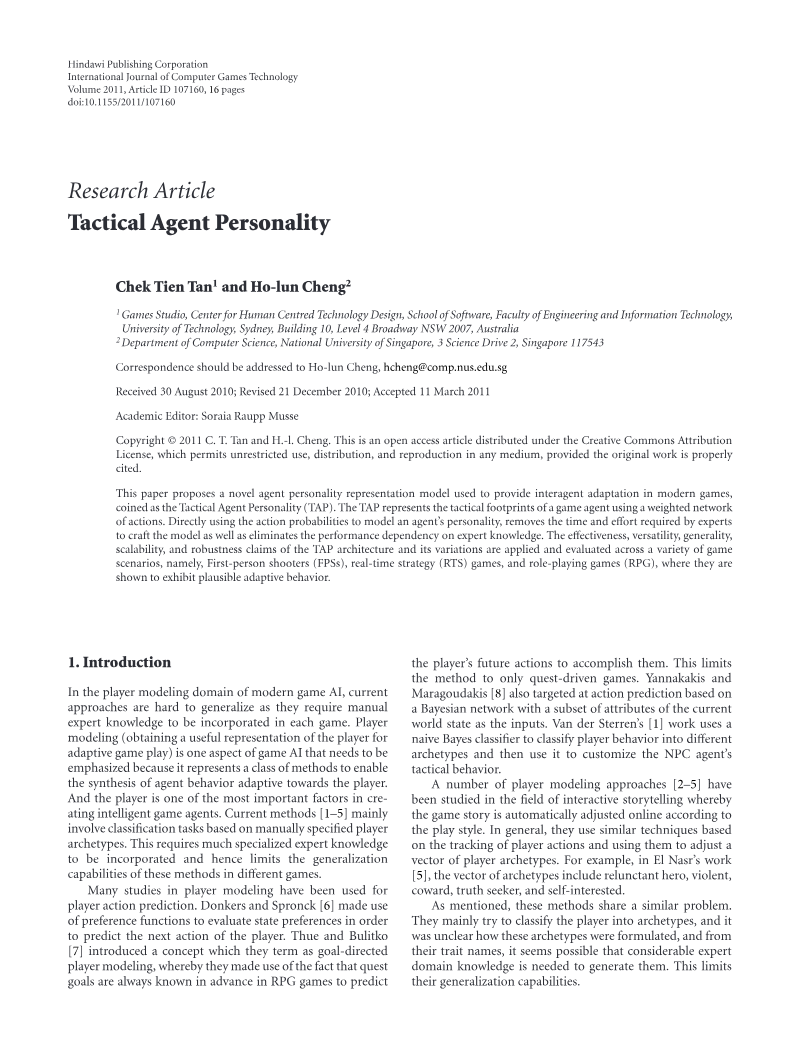
Whitepaper
Tactical Agent Personality
Hindawi Publishing Corporation · 2011
Whitepaper
Artificial Intelligence for Computer Games
Hindawi Publishing Corporation · 2009
Whitepaper
Games and Agents: Designing Intelligent Gameplay
Hindawi Publishing Corporation · 2009
Whitepaper
Towards an Information Model of Consistency Maintenance in Distributed Interactive Applications
Hindawi Publishing Corporation · 2008
Whitepaper
3D Space-Time Visualization of Player Behaviour in Pervasive Location-Based Games
Hindawi Publishing Corporation · 2008
Whitepaper
Using a Mobile Phone as a Wii-like Controller for Playing Games on a Large Public Display
Hindawi Publishing Corporation · 2007