1 free read left. Create a free account for unlimited reading + AI research.
Create free account
Understanding game genre for smarter monetisation
Key insights
5 takeaways- 01Hyper-casual games rely on high-frequency ad impressions and low acquisition costs to achieve profitability, whereas mid-core titles require a hybrid economy balancing in-app purchases (IAP) with ad revenue.
- 02Monetization strategy must align with genre-specific lifecycles, ranging from the short seven-day profitability window of hyper-casual games to the 180 to 360-day lifetime value (LTV) focus of mid-core titles.
- 03Mid-core developers should utilize real-time bidding and automated mediation platforms to aggregate demand and optimize revenue against specific long-term LTV goals.
- 04Successful monetization requires balancing ad-driven revenue with IAP growth by ensuring that ad placements enhance the player experience rather than detracting from it.
- 05Machine learning algorithms can now dynamically choose between serving a rewarded ad or an IAP promotional offer based on individual player data and purchase history to maximize conversion.
Ask AI about this video
Transcript
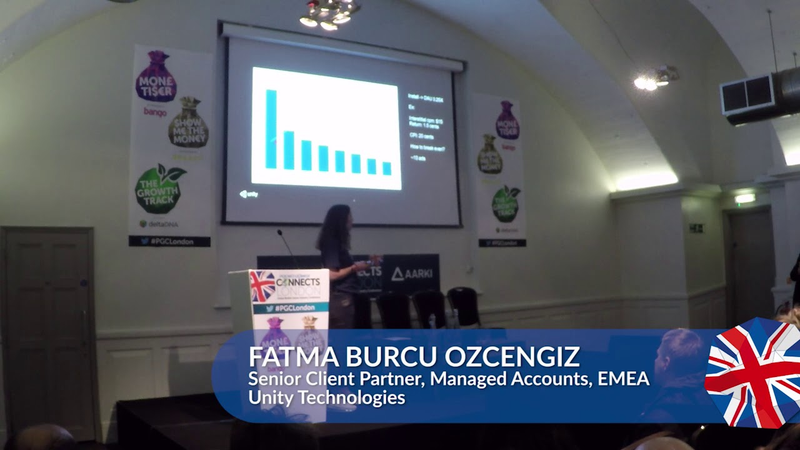
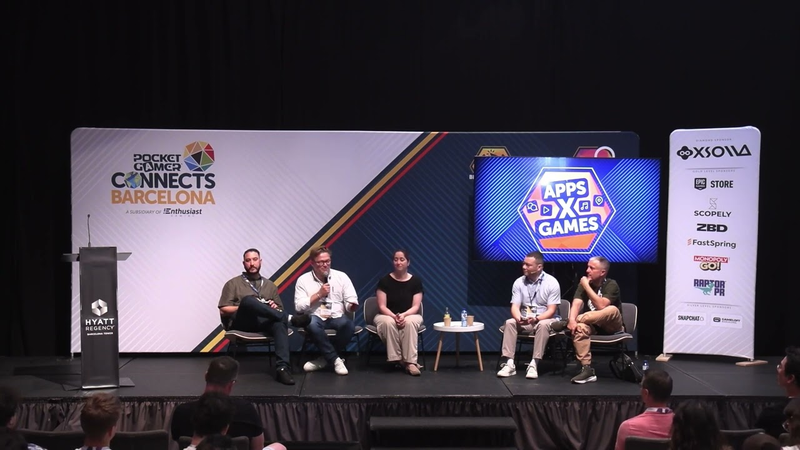
[Music] hi everyone my name is Buju I work at a unity at London team as a client partner in the gaming echo system the importance of bad vapes monetization is increasing it's not really a question anymore whether games should have ads or not and most developers are starting to understand how tailoring demonstation based on game genre is important whereas some of them still think that stick-like still think of us as something that you can stick in the game too so today I'll talk about
two different game genres that are completely opposite in their monetization strategies and I will also talk about how unity can help you tailor your own stations straight strategy whichever channel you're going for so let's first look at a games typical life cycle and let's look at how hyper casual and a mid core game before in their approaches so in the acquisition part for hyper casual we can say that the cost of acquisition will would be really low because they appeal to a broader user base and they have high early retention whereas on mid core strategy the cost of acquisition would be higher because you have a niche audience and then you have a long like higher lifetime value whereas the first experience for hyper
casual basically it's very simple there is often no tutorial you have a lot of short sessions and on mid core tutorial would be important like you often more complex gameplay and in hyper casual casual you don't expect users to develop a lot of skills you just need to maybe tap faster whereas a mid core as players continue playing they have to develop skills to proceed in the game in hyper casual the game is designed many levels I'll talk a lot about this later on in the slide where is the mid-quarter like different types of game there is a meta game like you can build your army there are small games around those games and so on in hyper casual engagement would be like share with France where as an MIT course strategy game you can connect invite your friends like you can't play against each other and so on okay so I prepared this slide
because we see very similar metrics across the top hyper casual games we work together with so I took seven days as a time frame and then I basically within this time frame based on these metrics we can see that an install becoming a it's becoming a Dao by the end of the seven day around like 3.25 times so I really need to think about like how many times I should show this player and aunt to cover my acquisition cost and I start making a profit think about like let's say interstitials are delivering me around $15 CPM I need to have like each time I show an ad I make one point five cents so therefore I need to show at least 13 ads to break you in then even more to start making a profit
so then what what what I should really think about is like I need to like in general what hyper casual think about is that they should really optimize their games to have shorter sessions so a shorter session length to allow ensuring enough interstitials and rewarded videos so we often also hear that the payback windows are very shorter than seven days therefore yeah we actually didn't think about like how you can sho enough ads within short time frame on the other hand for a midcourt title you can think of the lifetime value of the the the user for like 180 days or 360 and you don't mind maybe paying a bit more because that user will bring a lot more money later yep so that's the picture like that's the monetization
structure for Hyper casuals we observe in the market so they often have like a lot of ads so they they're using rewarded ads and it's you're falling in this category we often work with the top developers to remediation platforms which offers a complex flooring system where you can actually optimize based on your LTV goals and we can talk about it later like how we can optimize these for you and if you're more falling into a strategy meat core game or on standard casual game where you can have more I ap than us or more balanced economy we still like a lot of the partners we work in the market they choose to work with our platform exclusively main reason is that like we aggregate a lot of the top networks and the espys into our auction which you can integrate through the
unity editor and then monetize our impressions with a real-time auction so we basically four if you're following in this category again we launched a new add-on to innovate ourselves to help you increase your IEP revenue so it's called personalized placements so you now go you can go to operate dashboard you can create a promo campaign for your in-app purchase items and then we can help you blend them within your rewarded ad placements in the same rewarded ad flow so this may be like when targeting the user with the right content our algorithm takes your players and data or their IEP purchase data into account and based on which one will bring you the most value it chooses to show a promo or
an an obviously because it's my first time speaking at a conference the video isn't working therefore so I can just show you the next example so it's the same with your answer user clicks on watch a video and then it sees something like this so it's a real-time example real-life example from a developer called kefir so they have a game last day on art it's a midcourt game so they created this problem or using their own assets attached the price point it's GDP are compliant it's in the ad flow as you can see there's a timer normally a video ad creative would be 30 seconds but for the promo ads we shorter time frame but there's there's gonna be close button appearing so it's just five seconds so user based on our algorithms decision sees this promo and of course
although the product is in like late phases of beta we're trying to get as consistent results as possible with the product so that so that we can maybe like start getting a fear out of this product what currently is free so we see really positive results like me we see a dramatic increase in purchases so our product teams are really focusing heavily on this product because that's what we think that can help us grow in the market in the increasingly competitive market for ads so we don't only work with like strategy or meat core jhanas for this product but of course there are casual games working with that so for this product I could say that hyper casual is not really relevant because they don't have a target around I ap it's me it would be mainly ads
so whichever strategy you're following you may have a mixed economy between ads or I ap or you might be hyper casual unity can help you support these efforts so we have also an helping you implement the ad the best way possible a lot of the developers in the market when they add like they're really concerned about how they go not going to add ads we often help them implement their ads correctly because AD implemented is key to have a successful monetization how are we with time so yeah I think I'm done so any questions we can do it a more interactive way any questions yes okay yeah of course shouldn't repeat the
question so the forget it could you repeat the question so the camera can get that of course yeah so where's the camera just trying you find what you are just if you repeat the question okay yeah so the question was how does the algorithm decide to show a promo or an ad so when you integrate unity ads and enable unity analytics and using the unity ie people again to connect actually process a lot of information about your users so you don't only pass that information but a lot of the work developers who work with passes that's information while this information is of course sensitive and is not something that we share we feed that data into our algorithm and machine learning therefore the more data you pass to us the algorithm is able to predict whether that user is going to convert to an install so deliver your ad revenue or
what if if I shown and I ap promote that user based on the other purchases they made maybe is more likely to make a purchase and deliver a higher return so based on these to calculations the product decides which one to show our asses probably and to move on thank you so much [Applause] [Music] you
Summary
Effective game monetization requires a tailored strategy that aligns with the specific genre, user behavior, and lifecycle of a title. Hyper-casual games and mid-core strategy games represent opposite ends of the monetization spectrum. Hyper-casual titles typically rely on a broad user base, low acquisition costs, and high-frequency ad impressions to achieve profitability within a short seven-day window. Because these games often lack complex meta-layers or long-term progression, developers must optimize session lengths to maximize the delivery of interstitial and rewarded video ads.
In contrast, mid-core games target niche audiences with higher acquisition costs, necessitating a focus on long-term lifetime value (LTV) over 180 to 360 days. These titles often feature complex meta-games, social connectivity, and a hybrid economy that balances in-app purchases (IAP) with ad revenue. For these developers, the integration of real-time bidding and automated mediation platforms is essential to aggregate demand and optimize revenue based on specific LTV goals.
Technological advancements in machine learning now allow for more sophisticated monetization through personalized placements. By leveraging player data, IAP history, and behavioral analytics, algorithms can dynamically decide whether to serve a traditional rewarded ad or a promotional offer for an in-app purchase. This approach allows developers to blend promotional content seamlessly into the existing ad flow, increasing conversion rates by presenting the most valuable option to each individual user. Ultimately, successful monetization depends on the correct implementation of these tools, ensuring that ad placements enhance rather than detract from the player experience while maintaining a sustainable balance between ad-driven revenue and IAP growth.





















Comments