1 free read left. Create a free account for unlimited reading + AI research.
Create free accountArticle European Conference on Games Based Learning (ECGBL)
1 free read left. Create a free account for unlimited reading + AI research.
Create free accountArticleEuropean Conference on Games Based Learning (ECGBL)
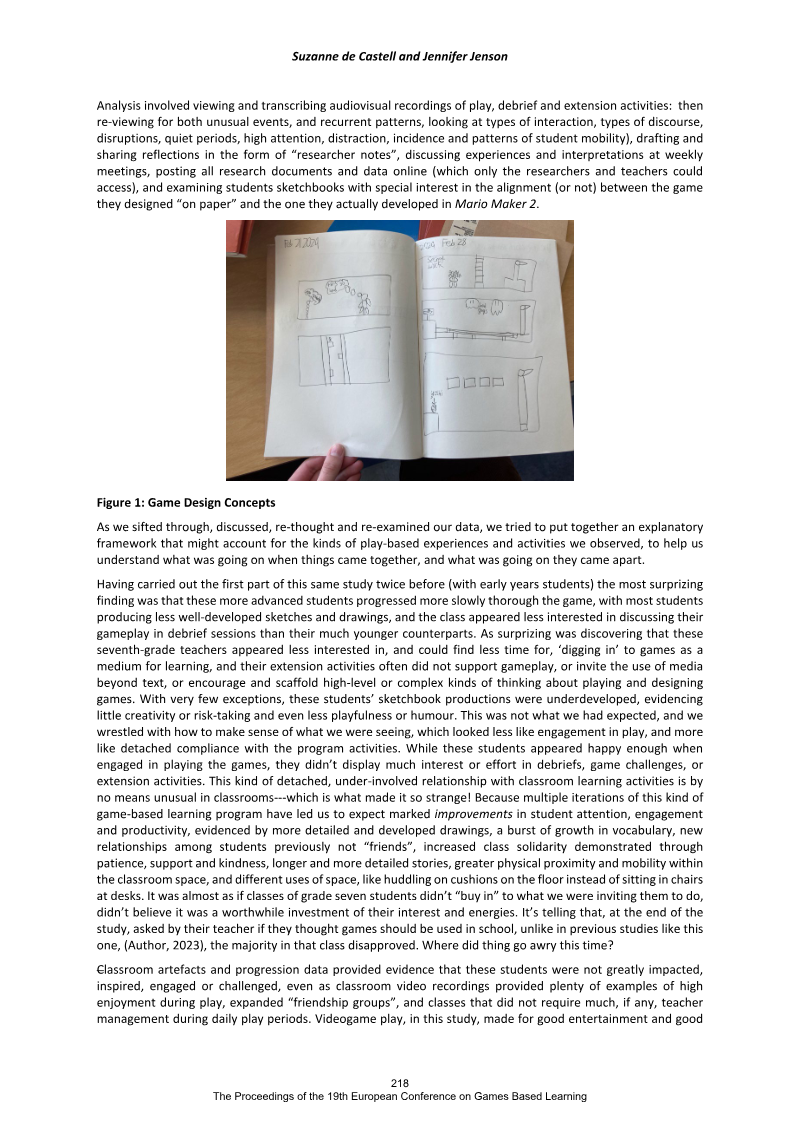
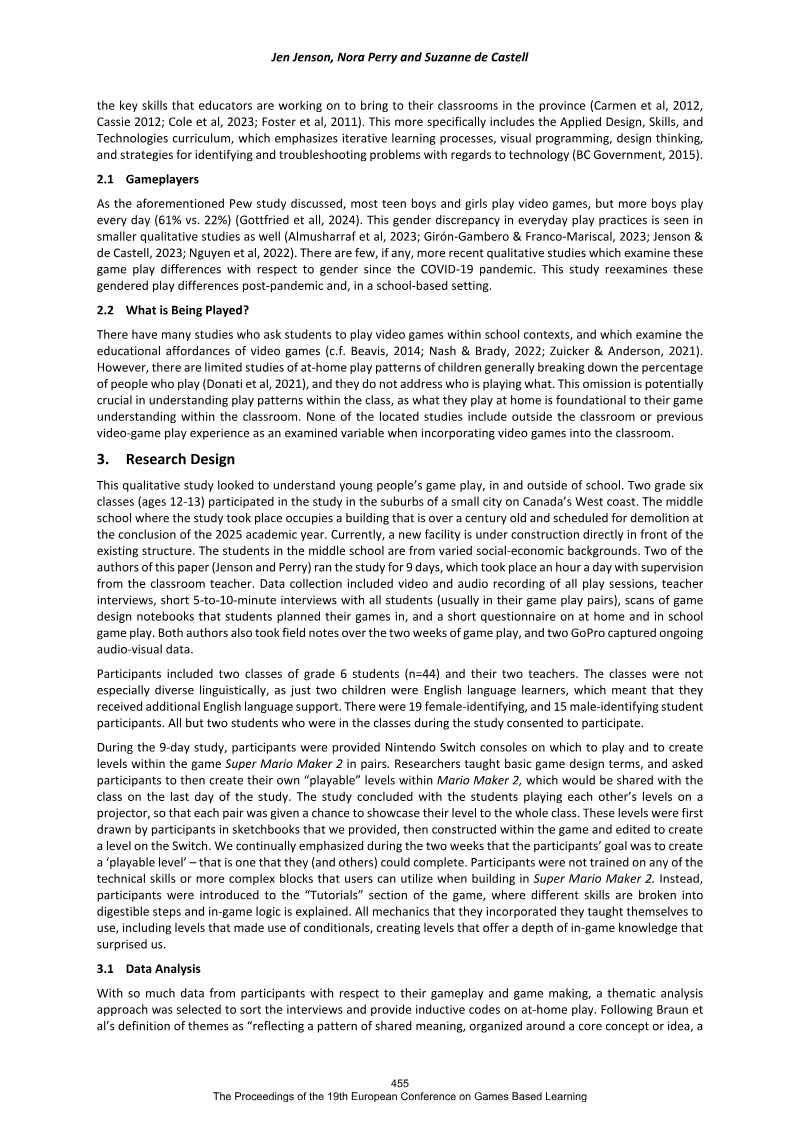
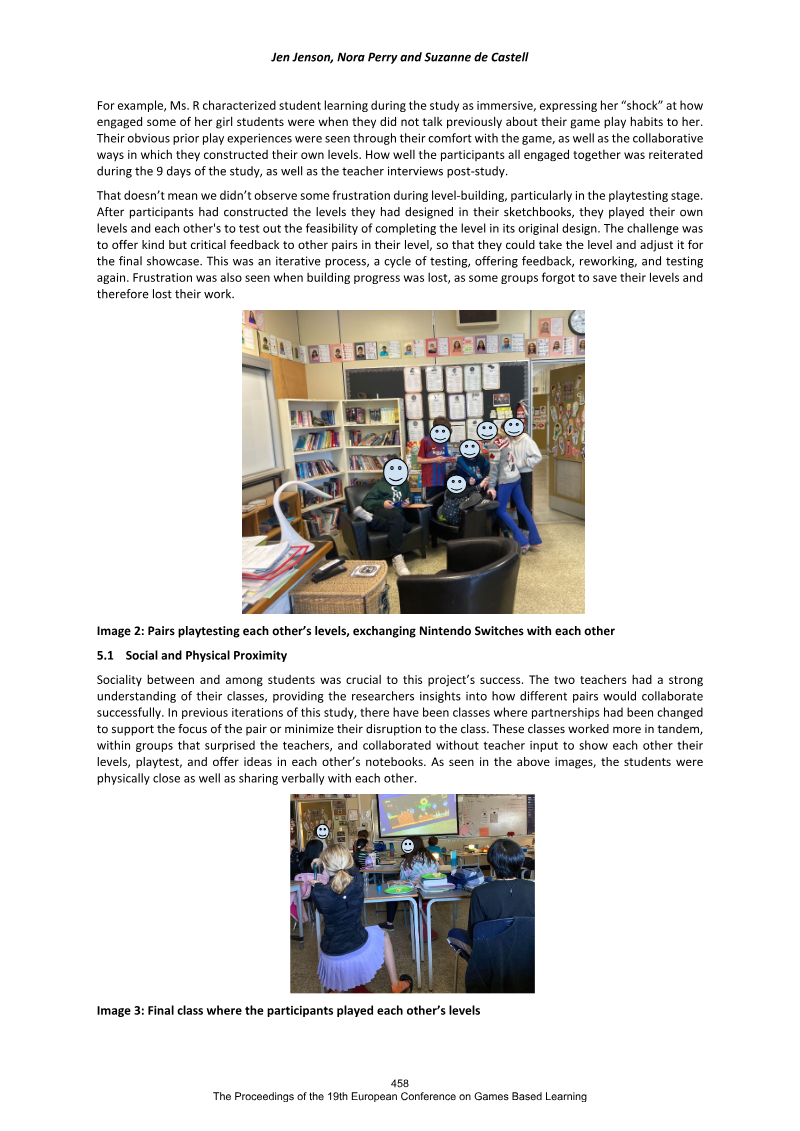
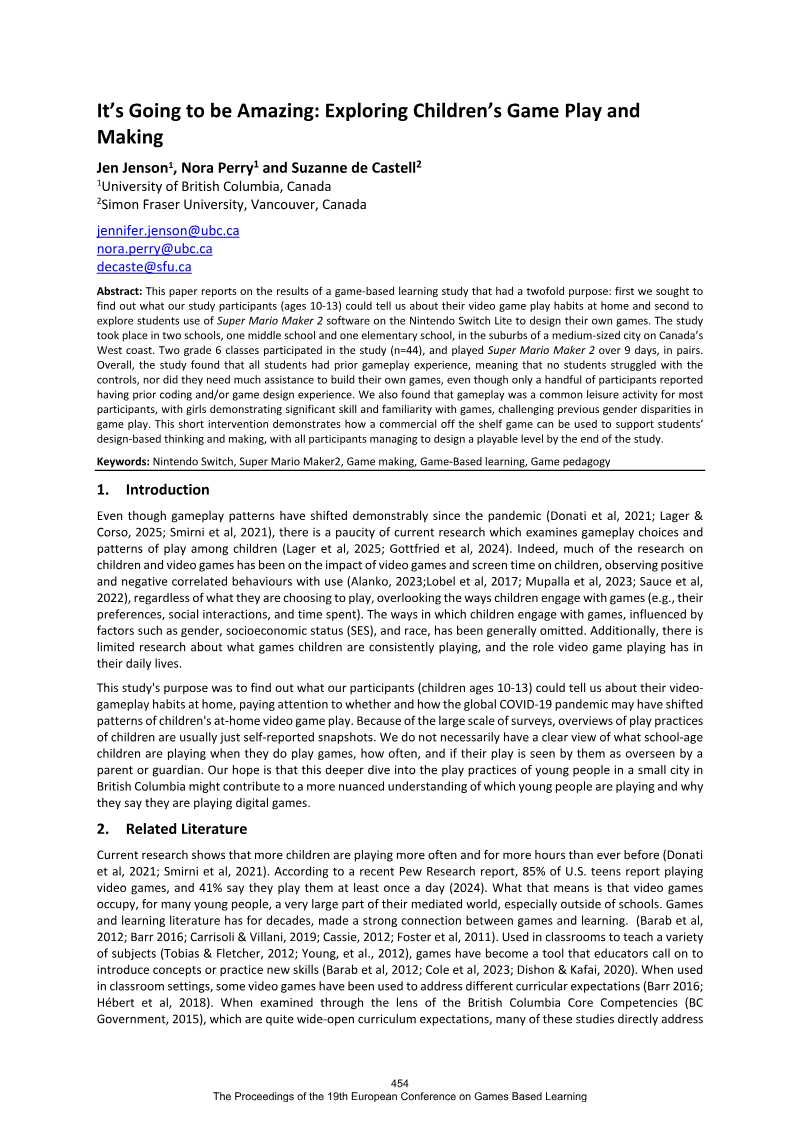
Students played WarioWare: Get it Together and Super Mario Maker 2 for 15 minutes a day.
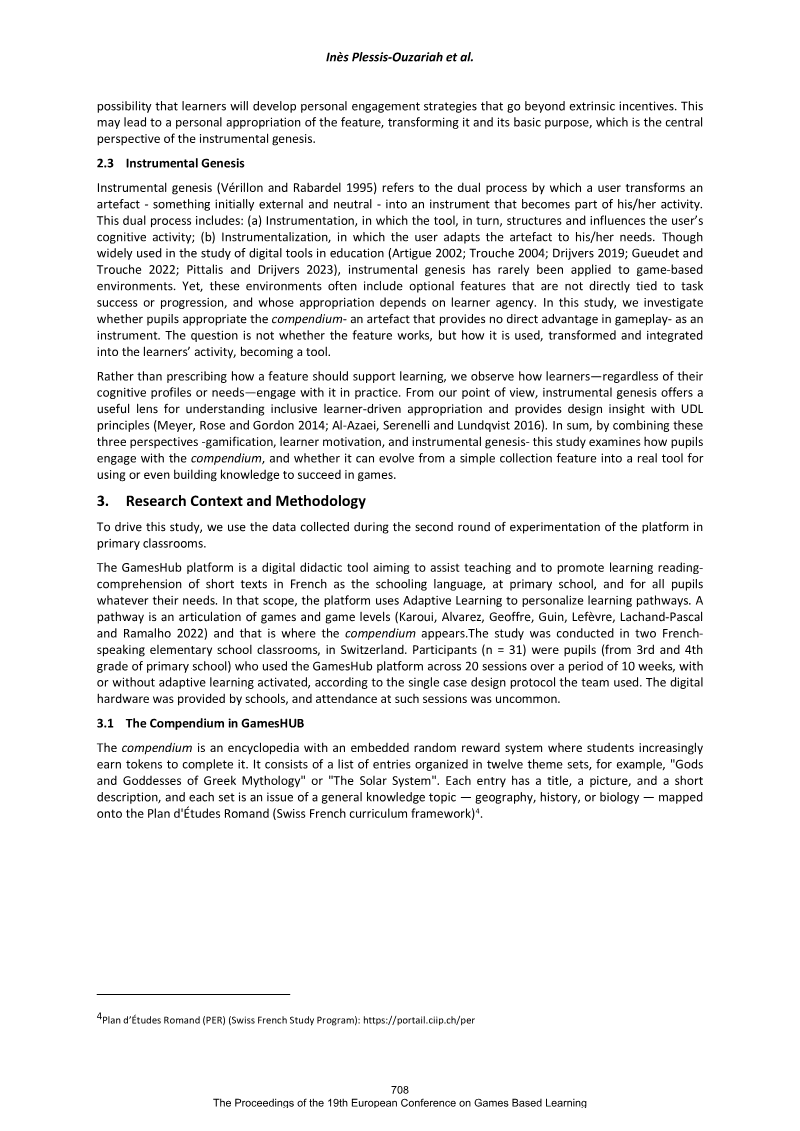
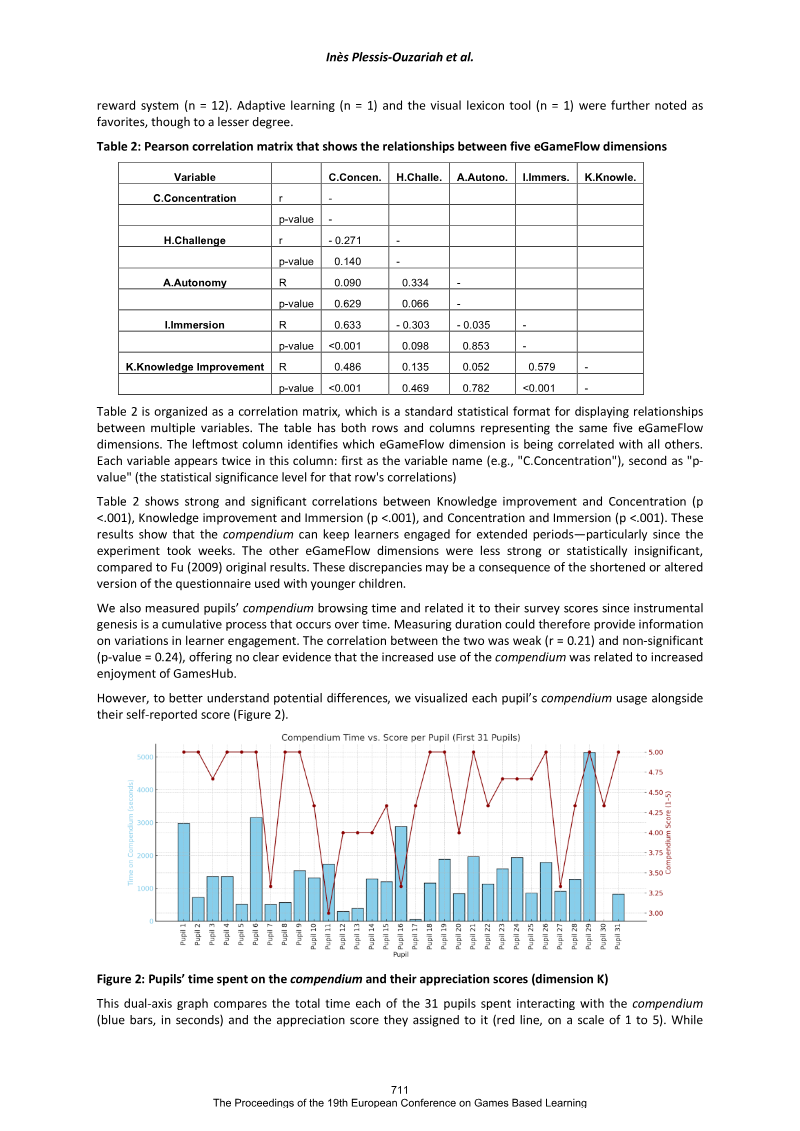
A 9-week study of two Grade 7 classrooms in British Columbia, in which students played Nintendo Switch games (WarioWare: Get it Together and Super Mario Maker 2) for 15 minutes a day, forms the empirical basis for an argument that trust is an overlooked precondition for both play and learning. Contrary to researchers' expectations drawn from earlier early-elementary studies, these older students displayed detached compliance, reduced creativity, and weaker engagement in debriefs, and many said games should not be used in school. The authors ground their thesis in the concept of epistemic trust: learning inherently involves risk and destabilization of existing understanding, so students must trust teachers enough to undertake it, and the same logic extends to ludic trust in the game itself.
The study's findings point to several interacting causes. Students enjoyed the games and trusted their technical reliability, yet classroom power structures, teacher uncertainty about videogames, limited time, reduced task demands, and teachers' failure to play alongside students constrained the educational value of gameplay. The authors further argue that when game experiences are converted into conventional written tasks, they effectively "cancel out" what games uniquely offer. Their conclusion is that game-based pedagogy requires media-appropriate design and substantive teacher investment rather than simple insertion of games into existing routines.
The paper closes by examining trust among researchers, teachers, and students. Student assent was complicated by teacher authority and peer and parental pressure, though observed behavioural changes around cameras were minor and did not appear to distort daily classroom patterns. Researcher trust rested largely on interpersonal ties, including a research assistant who was a qualified teacher with a prior acquaintance with a participant, alongside observation without intervention and transparency toward participating teachers. The authors acknowledge that transparency served mainly as ethical self-discipline, since participants rarely engaged deeply with transcripts, and the paper concludes with a philosophical reflection on the difficulties teachers face in implementing videogames as educational technology.
Each row is a game or company this document names, each column a document, oldest first. A mark means that document names it. Select a row to see those documents.



European Conference on Games Based Learning (ECGBL) · 2026



European Conference on Games Based Learning (ECGBL) · 2026
European Conference on Games Based Learning (ECGBL) · 2026
European Conference on Games Based Learning (ECGBL) · 2026
European Conference on Games Based Learning (ECGBL) · 2026