1 free read left. Create a free account for unlimited reading + AI research.
Create free accountWhitepaper European Conference on Games Based Learning (ECGBL)
1 free read left. Create a free account for unlimited reading + AI research.
Create free accountWhitepaperEuropean Conference on Games Based Learning (ECGBL)
The study expands an earlier framework into 15 tiers, combining self-reported effort on a 1–5 scale with intrinsic motivation rated high, medium, or low.
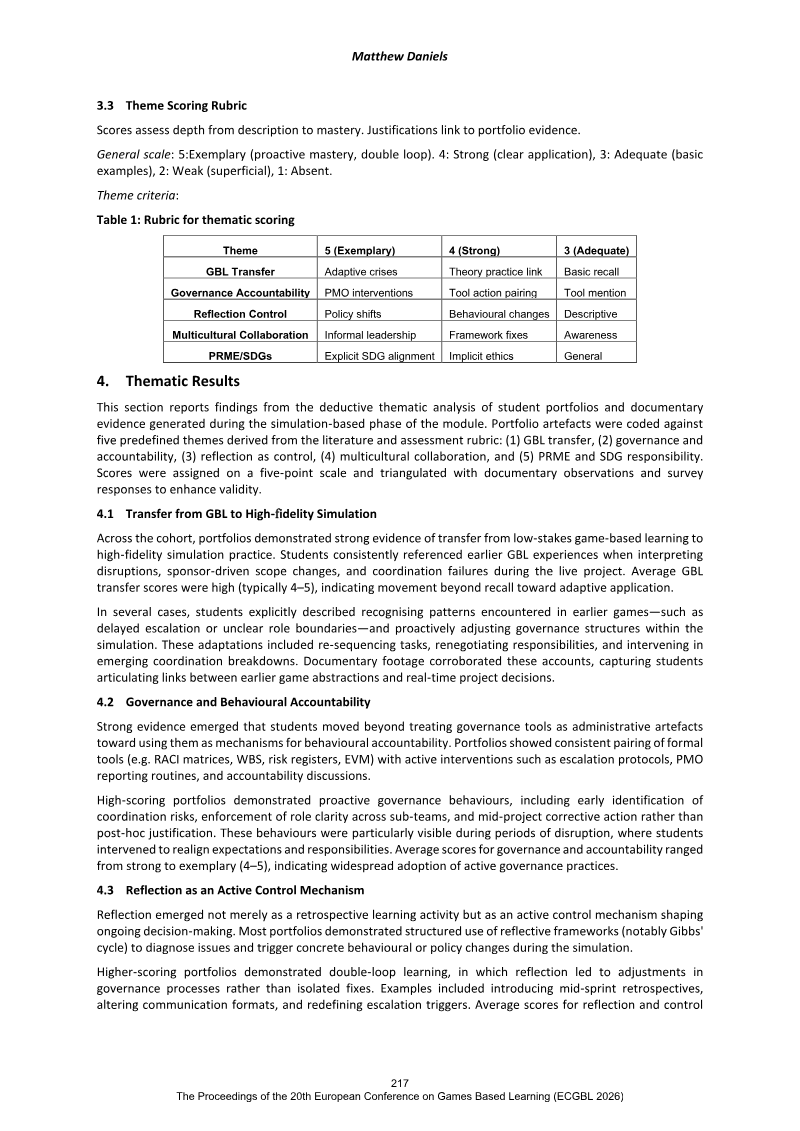
This study, "Tiers of Engagement II," by Guttormsen and Weines, extends an earlier framework for understanding student engagement with business simulators. Drawing on 388 economics students at a BA level who used a simulator in an online course, the authors expand the original model into 15 tiers that combine self-reported effort on a 1–5 scale with intrinsic motivation rated as high, medium, or low. The analysis pairs these quantitative measures with 1,552 qualitative comments addressing reflection depth and the perceived value of narrative tasks.
The central finding is a consistent relationship between motivation, effort, and learning outcomes. High intrinsic motivation is closely associated with the highest engagement levels, and perceived learning declines steadily down the tiers, from roughly 4.40 in the top high-motivation group to about 3.40 in the lower medium-motivation tiers. Students in the upper tiers also value narrative assignments for linking theory to practice, while those in the lowest tiers, about 9.7% of respondents, tend to describe the simulator as boring, irrelevant, or something completed only to pass. The largest group, nearly half the sample, falls at engagement level 4.
The study also reports that reflection depth dropped for the top tier compared with the earlier study, from 2.5 to 1.79, while remaining stable elsewhere, though high variance limits firm conclusions. Gender differences were not significant and were not analyzed separately. Older students clustered at both extremes of the engagement distribution. Because all data are self-reported and the survey was mandatory, the authors caution against strong causal claims and direct comparison with prior results.
European Conference on Games Based Learning (ECGBL) · 2026



European Conference on Games Based Learning (ECGBL) · 2026
European Conference on Games Based Learning (ECGBL) · 2026



European Conference on Games Based Learning (ECGBL) · 2026



European Conference on Games Based Learning (ECGBL) · 2026



European Conference on Games Based Learning (ECGBL) · 2026



European Conference on Games Based Learning (ECGBL) · 2026
European Conference on Games Based Learning (ECGBL) · 2026
European Conference on Games Based Learning (ECGBL) · 2026



European Conference on Games Based Learning (ECGBL) · 2026
European Conference on Games Based Learning (ECGBL) · 2026



European Conference on Games Based Learning (ECGBL) · 2026
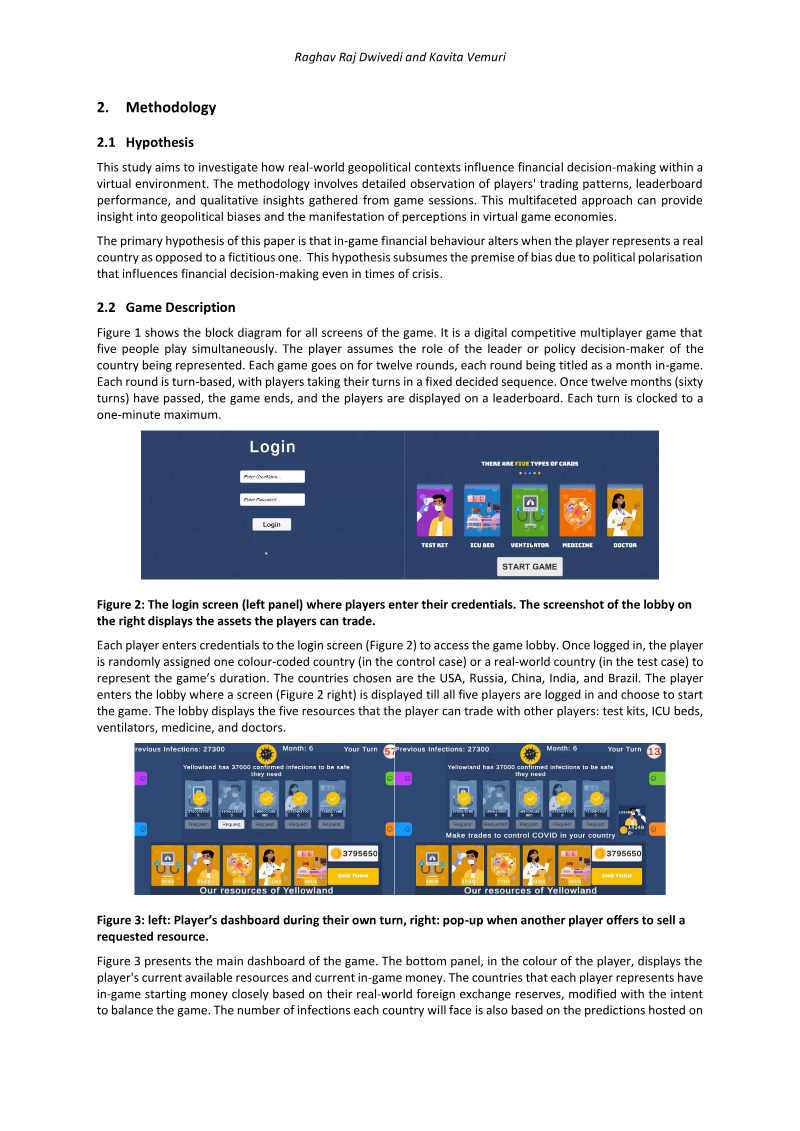
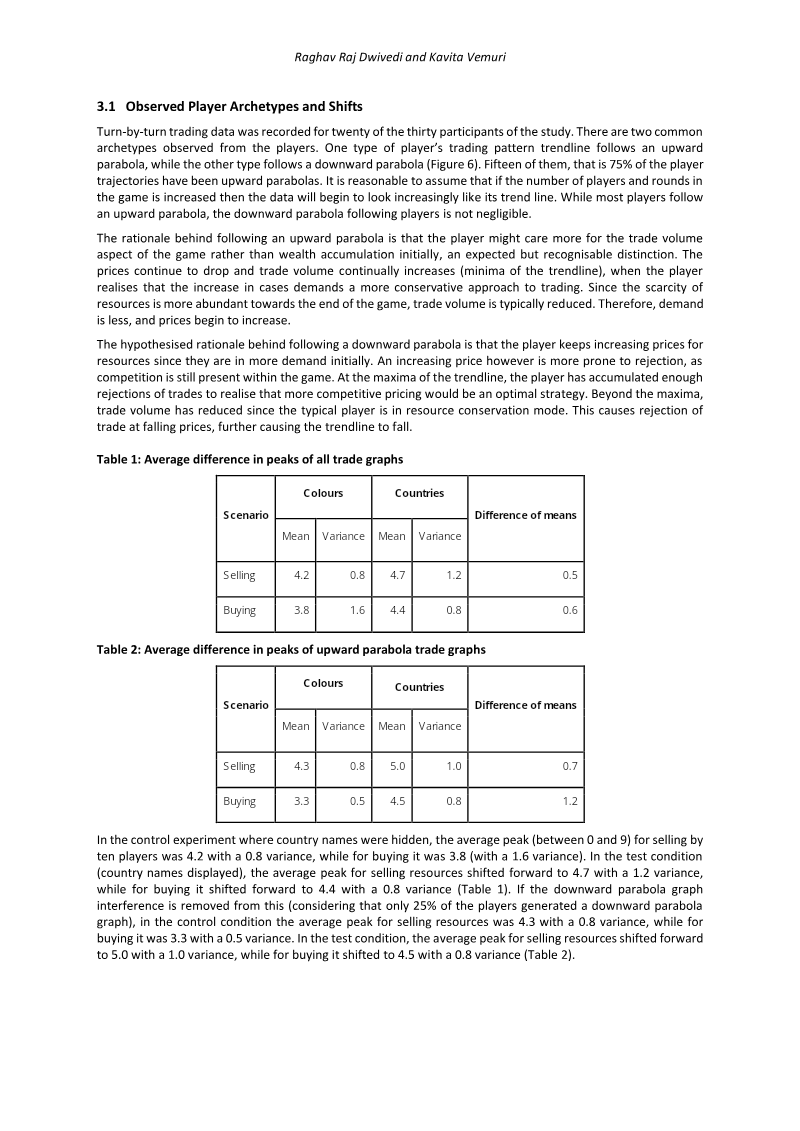
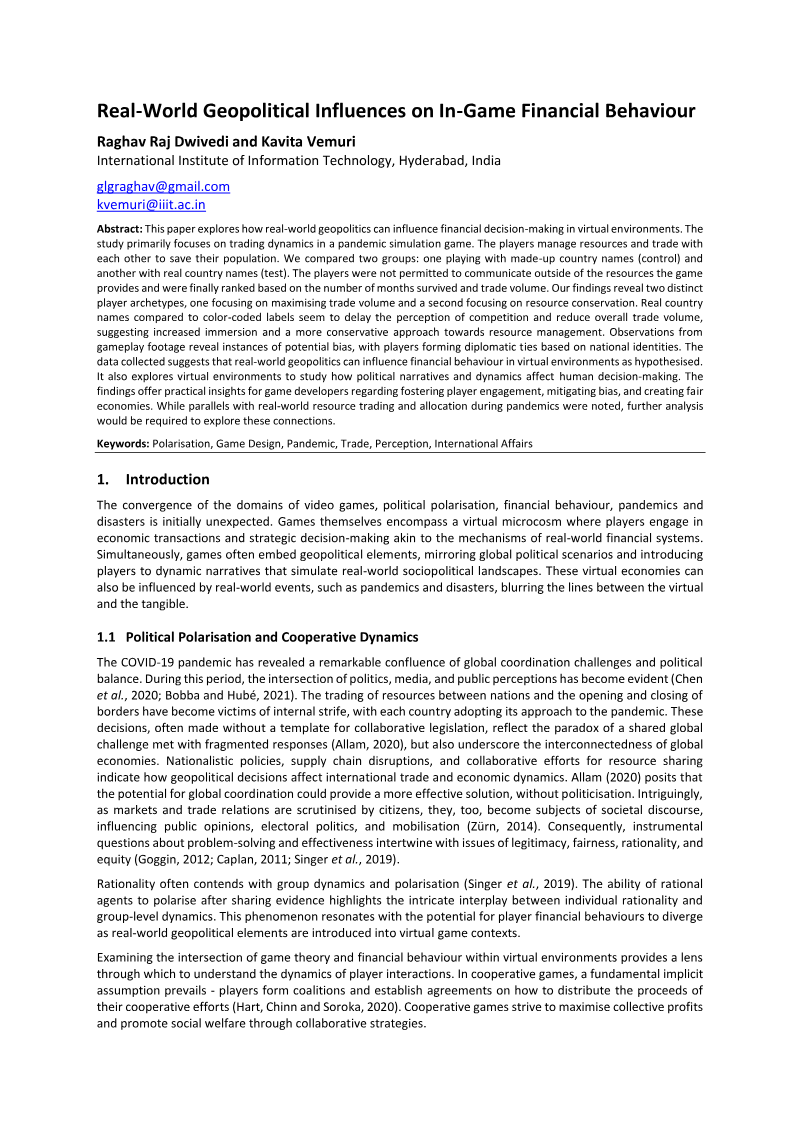
European Conference on Games Based Learning (ECGBL) · 2024
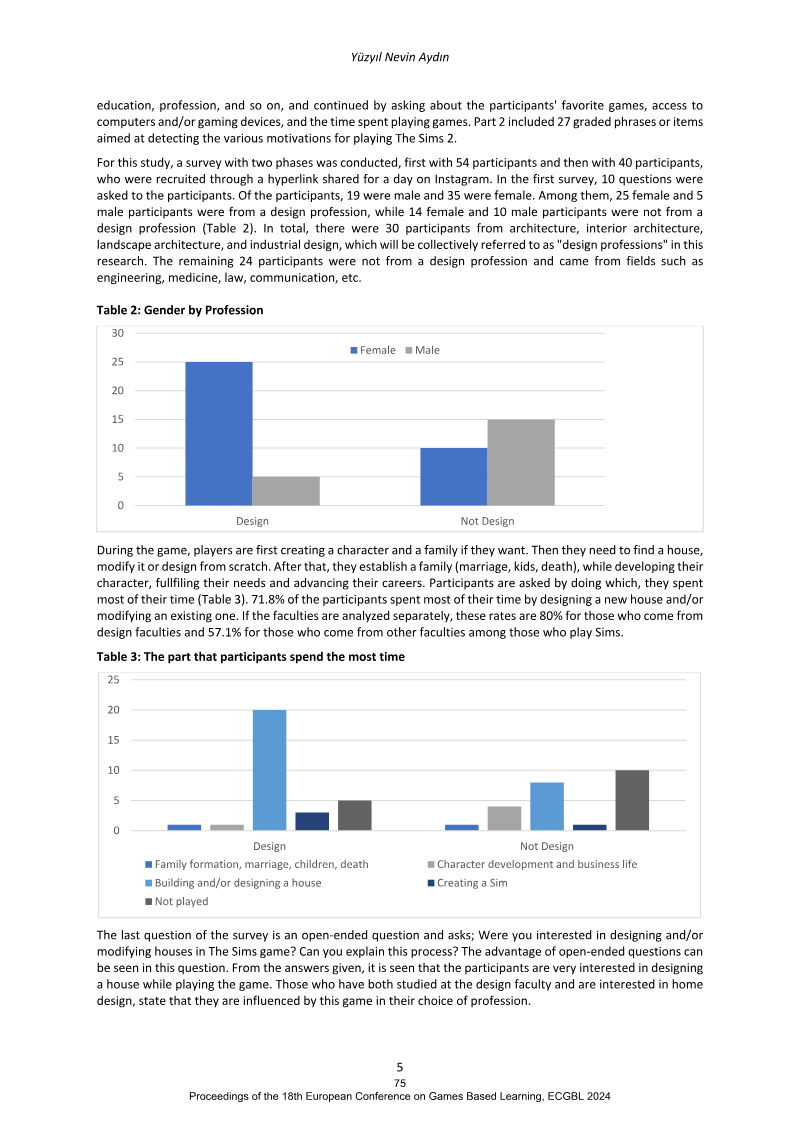
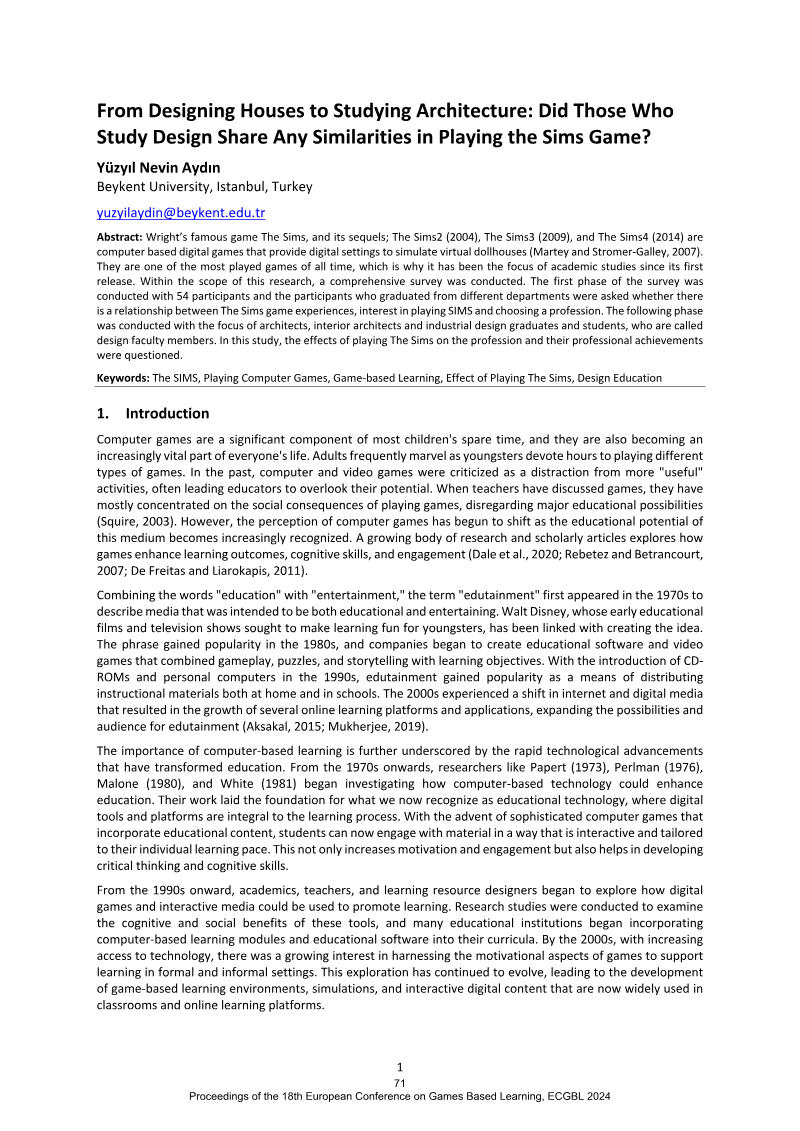
European Conference on Games Based Learning (ECGBL) · 2024
Extra Credits · 2020