1 free read left. Create a free account for unlimited reading + AI research.
Create free accountWhitepaper DiGRA
1 free read left. Create a free account for unlimited reading + AI research.
Create free accountWhitepaperDiGRA
Play Utopia is a weekly conversation club for participants aged 12 to 18, run for two years at Casal de Barri Besòs.
This study examines how commercial video games can be integrated into critical utopian pedagogy to help young people imagine alternative futures. Using participatory action research, it documents Play Utopia, a weekly conversation club in Barcelona for participants aged 12 to 18, which has run for two years and is based at the community center Casal de Barri Besòs. The authors frame their inquiry around three research questions concerning how the practice cultivated critique, supported the co-creation of desirable future imaginaries, and encouraged agency and transformative action. Sessions combined collective dialogue around a conceptual map, roughly an hour of paired or group gameplay, and guided debriefings, with data generated through reflective photography, focus groups, a field diary, and session recordings, analyzed using Reflexive Thematic Analysis.
Preliminary findings indicate that the pedagogical design mattered more than the specific game chosen. Dystopian titles were effective for problematizing socio-political issues but weaker at prompting envisioned alternatives, while architectural-mode games such as Townscaper and The Sims 4 helped participants articulate concrete futures rooted in their own experiences. Titles aligned with the ontological utopian mode were perceived as especially transformative, producing moments of disequilibrium and, in some cases, reported changes in everyday life. Educator facilitation, facilitated debriefings, screenshot-based inquiry, and shared gameplay conversations were highlighted as key enablers of critical reflection, while agency appeared mainly at the individual rather than collective level.
The authors conclude by proposing Critical Utopian Gaming Pedagogy as an emerging framework that treats critical and utopian potential as a product of situated pedagogical practice rather than an inherent property of games. The findings are preliminary, drawn from a single community setting, and the analysis is still in progress.
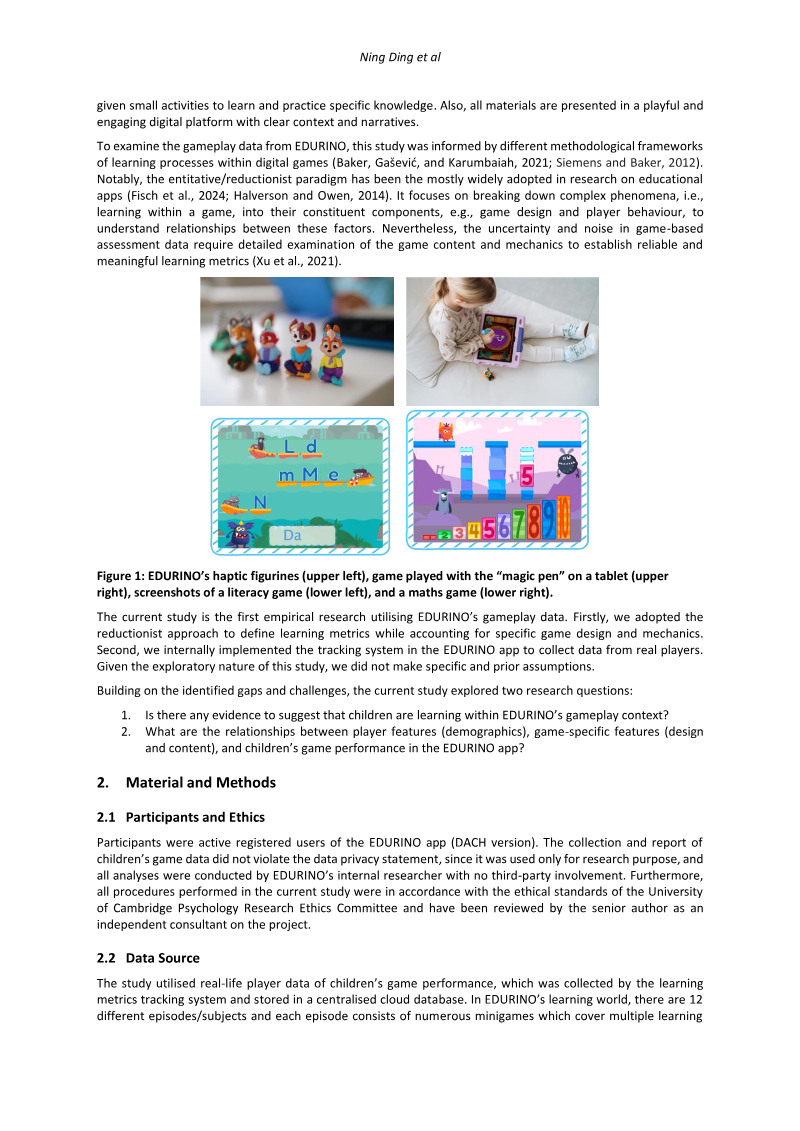
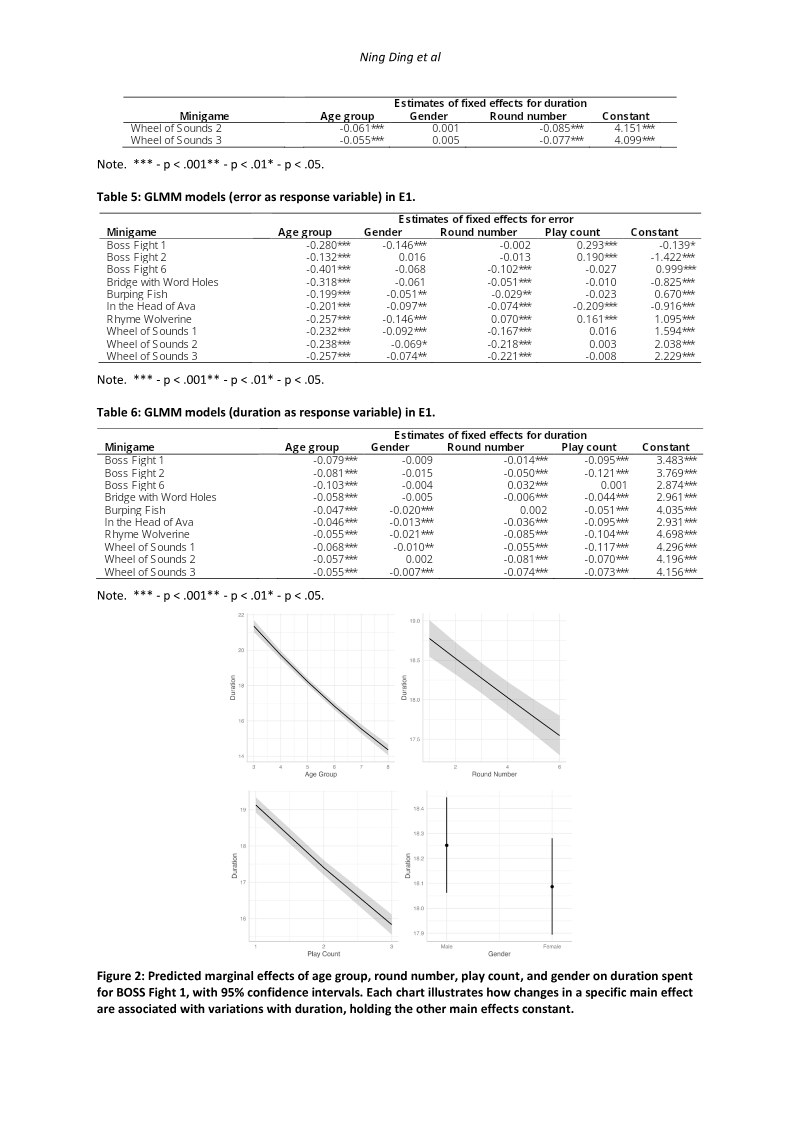
Each row is a game or company this document names, each column a document, oldest first. A mark means that document names it. Select a row to see those documents.
European Conference on Games Based Learning (ECGBL) · 2024
European Conference on Games Based Learning (ECGBL) · 2023
DiGRA · 2026
DiGRA · 2023