
The interview with Lukas Hort of the studio Unechte Sachen highlights the challenges and strategic considerations faced by emerging game developers transitioning from university projects to professional studio operations. Based in Hamburg, the team focuses on the development of their virtual reality sandbox project, Puppet Play, which allows users to create cinematic content. The studio’s relocation to Hamburg was driven by the city’s robust game development ecosystem, networking opportunities, and the support provided by local initiatives like Gamecity Hamburg and the Hamburg Kreativ Gesellschaft.
The transition from academia to a professional environment presented significant hurdles, primarily regarding the administrative complexities of establishing a company and maintaining team motivation while working remotely. The lack of in-person industry events during the early development phase necessitated reliance on digital platforms for feedback and community engagement. Despite these obstacles, the team successfully utilized internal deadlines and online showcases, such as Steam Next Fest, to maintain project momentum.
Looking ahead, the studio’s primary objective is the continued refinement and finalization of Puppet Play, which is currently in Early Access. Beyond this, the team intends to formalize their corporate identity and eventually pivot toward the development of new titles. The experience underscores the importance of regional support networks for early-stage studios and the ongoing necessity for developers to balance creative vision with the practical realities of business management and industry integration.
Gamecity Hamburg

Gamecity Hamburg
Gamecity Hamburg

Gamecity Hamburg

Gamecity Hamburg

Gamecity Hamburg

Gamecity Hamburg

Gamecity Hamburg
Gamecity Hamburg
Gamecity Hamburg

Gamecity Hamburg
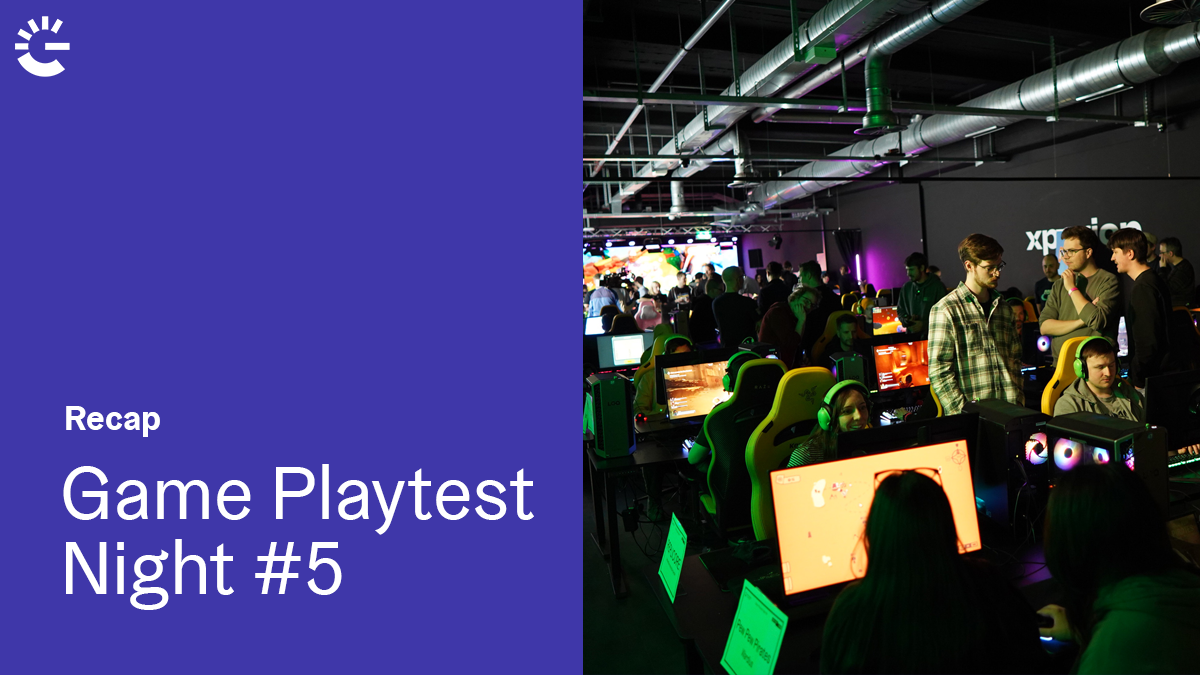
Gamecity Hamburg
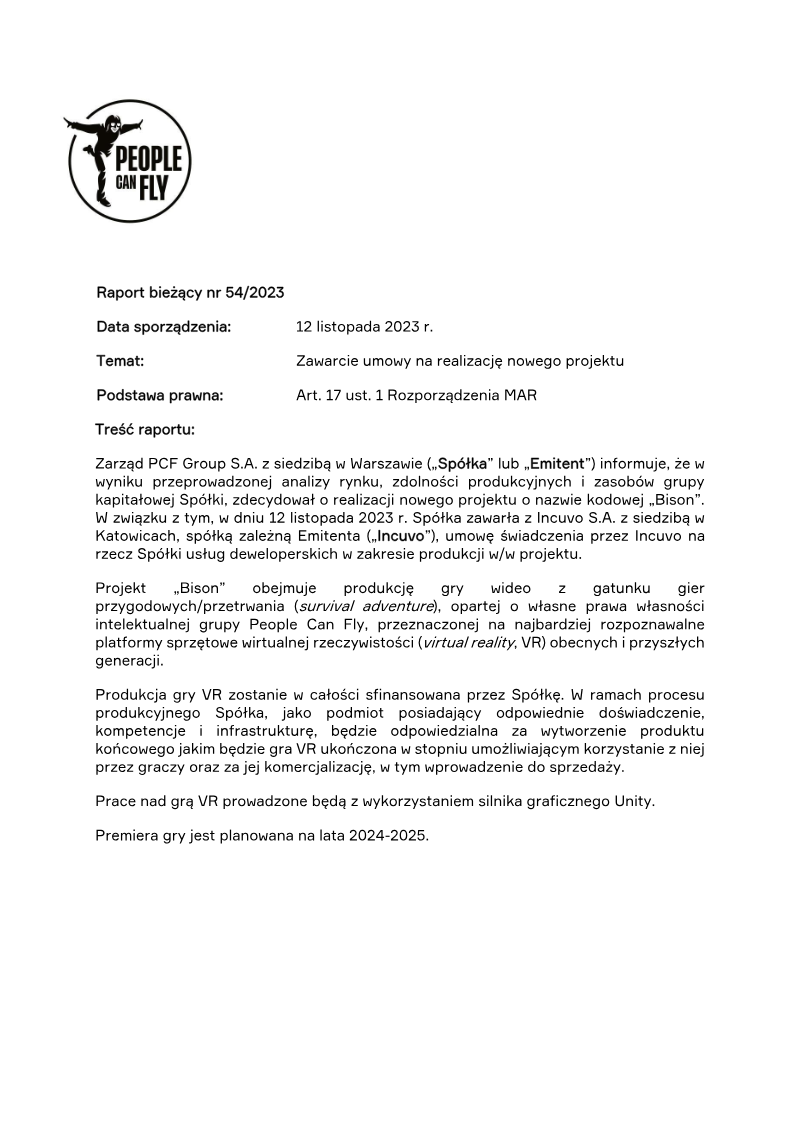
PCF Group · 2023
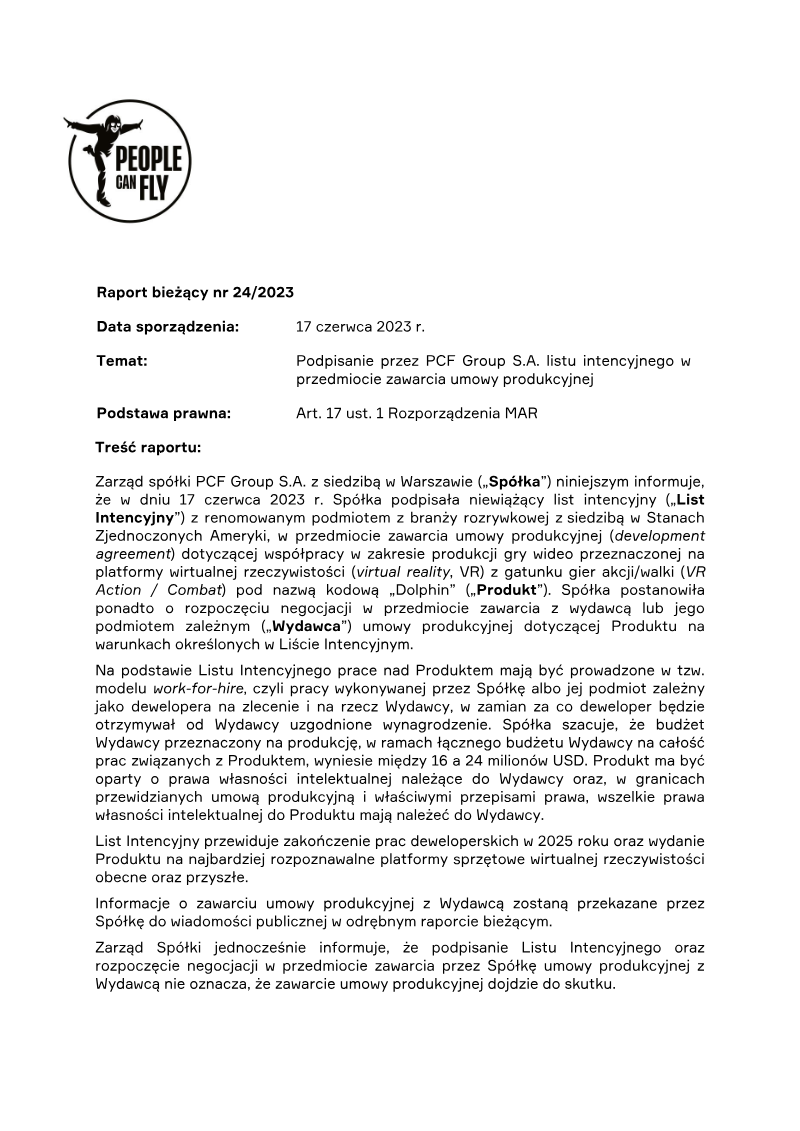
PCF Group · 2023
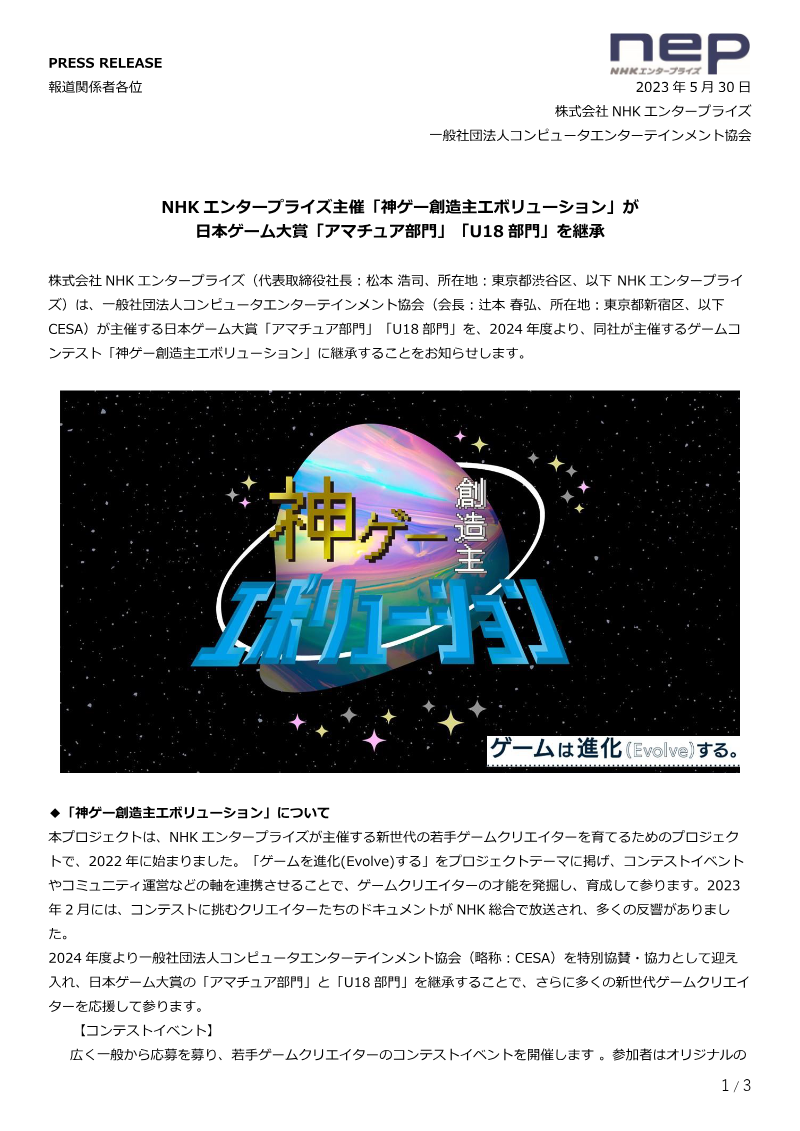
CESA – Computer Entertainment Supplier's Association · 2023

Baltic Game Industry · 2020

game.de · 2019
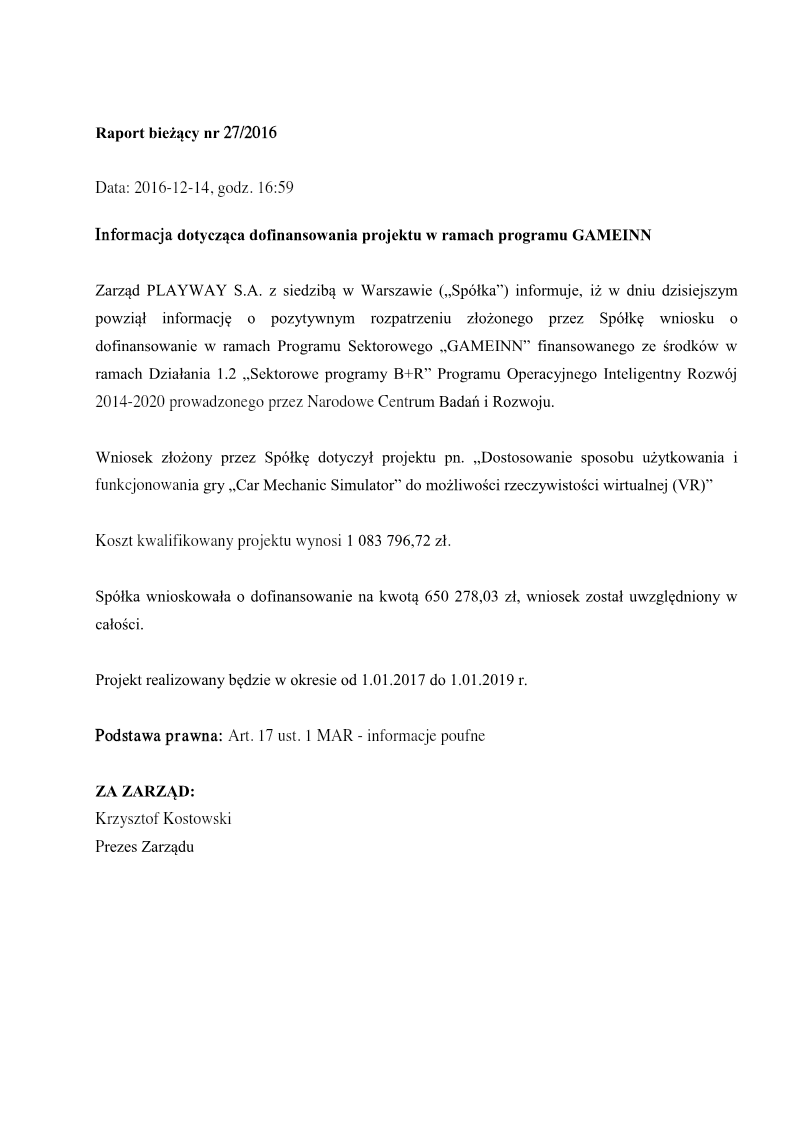
PlayWay · 2016

PCF Group
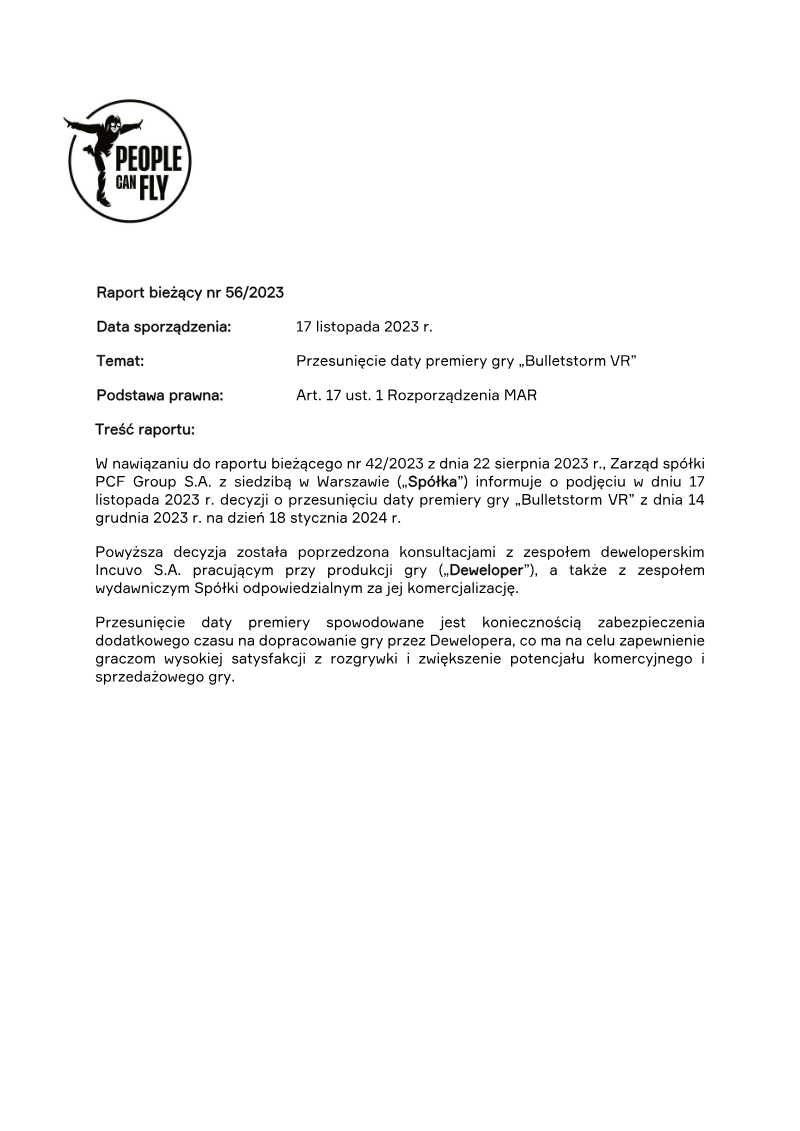
PCF Group
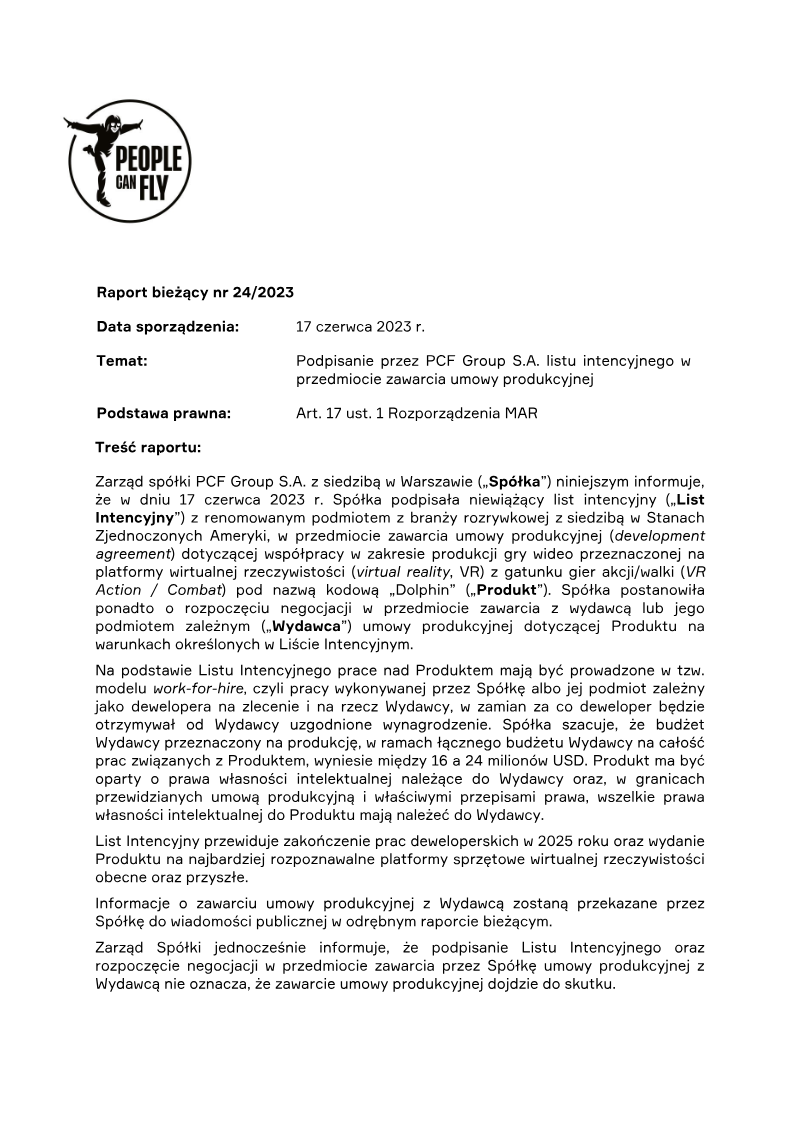
PCF Group
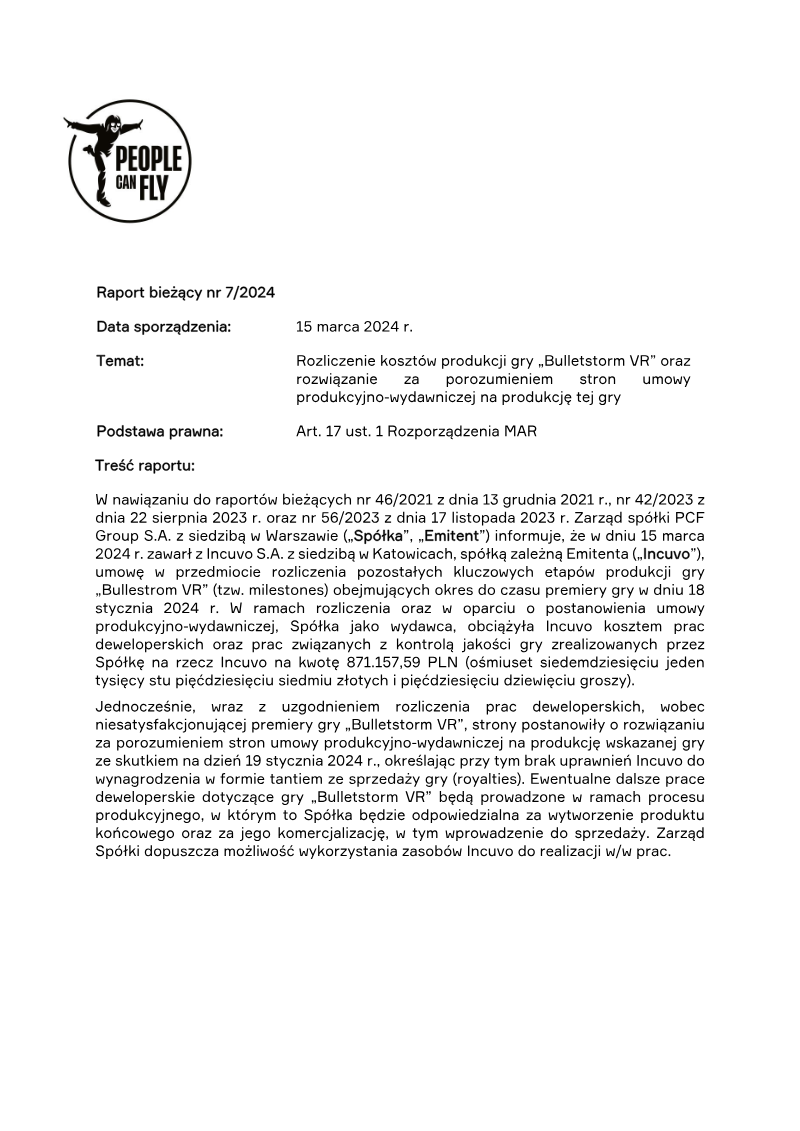
PCF Group
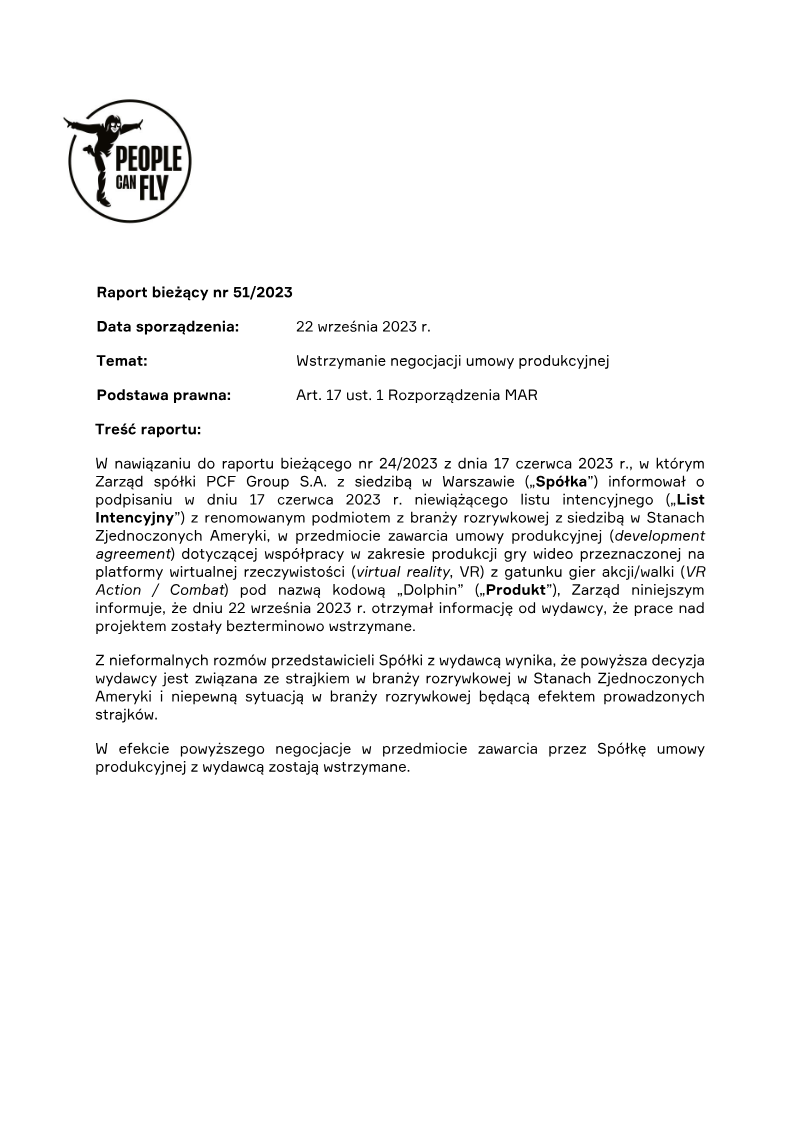
PCF Group
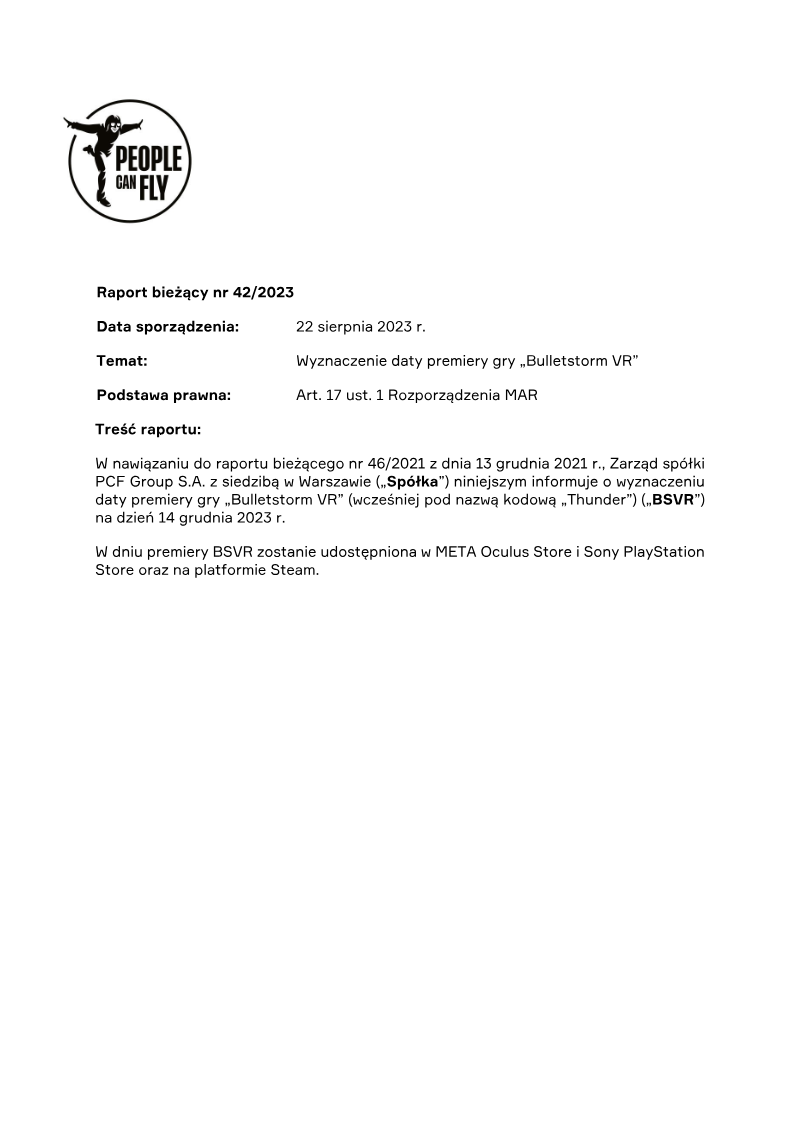
PCF Group