1 free read left. Create a free account for unlimited reading + AI research.
Create free accountWhitepaper gamevironments
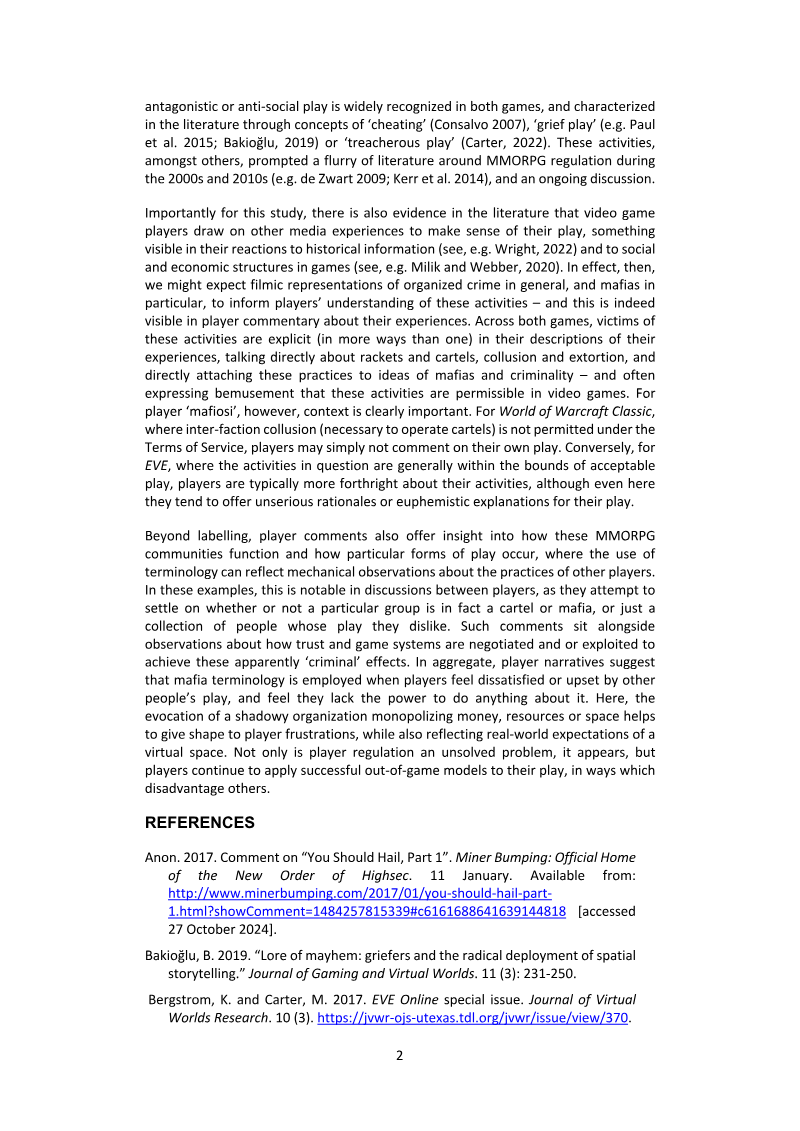
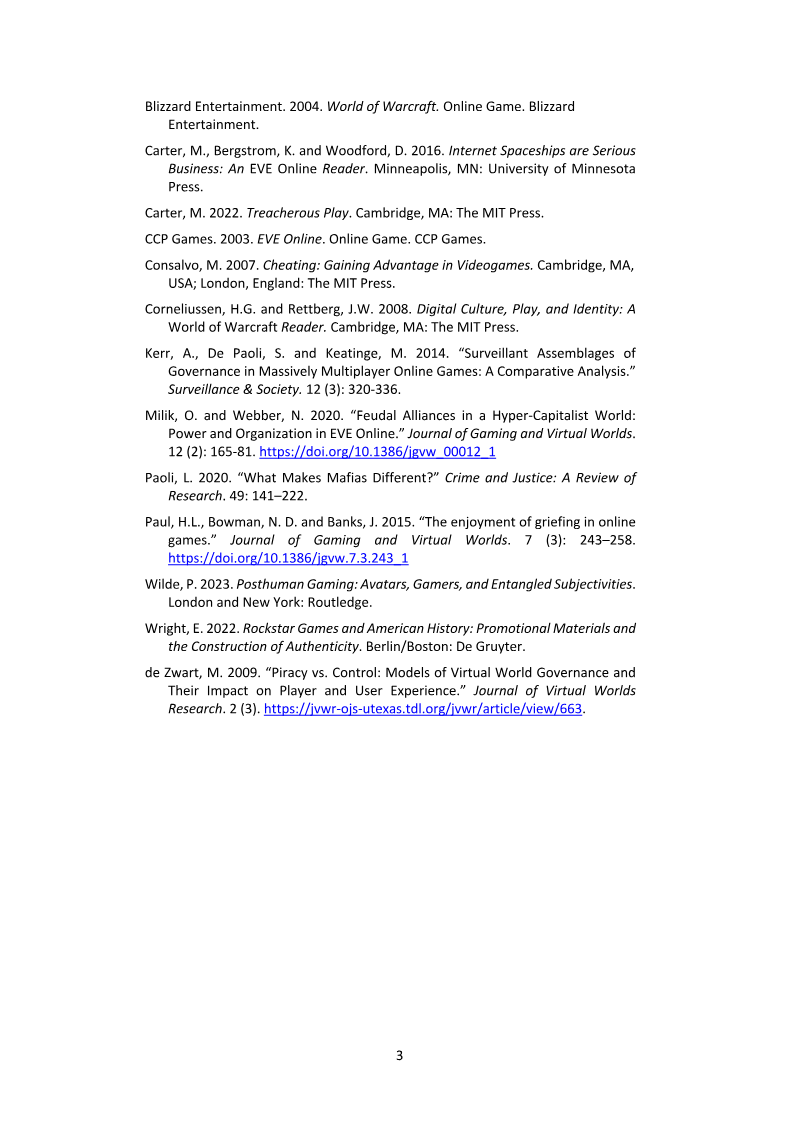
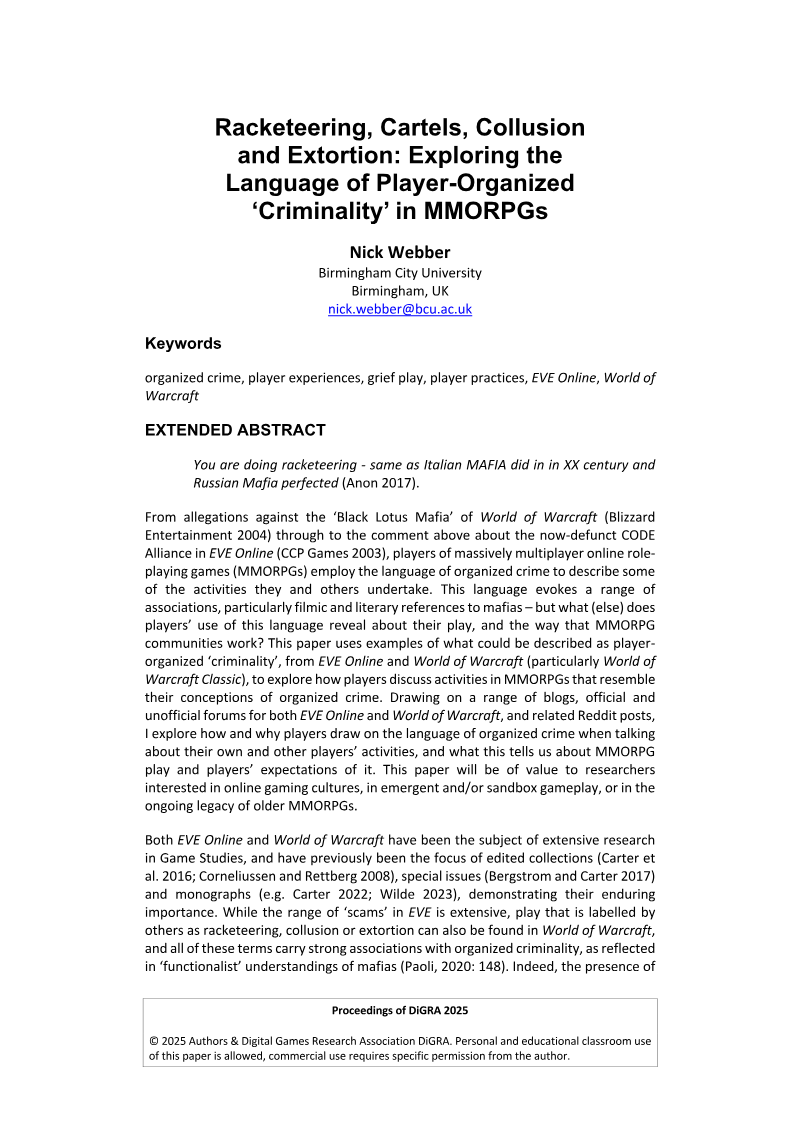
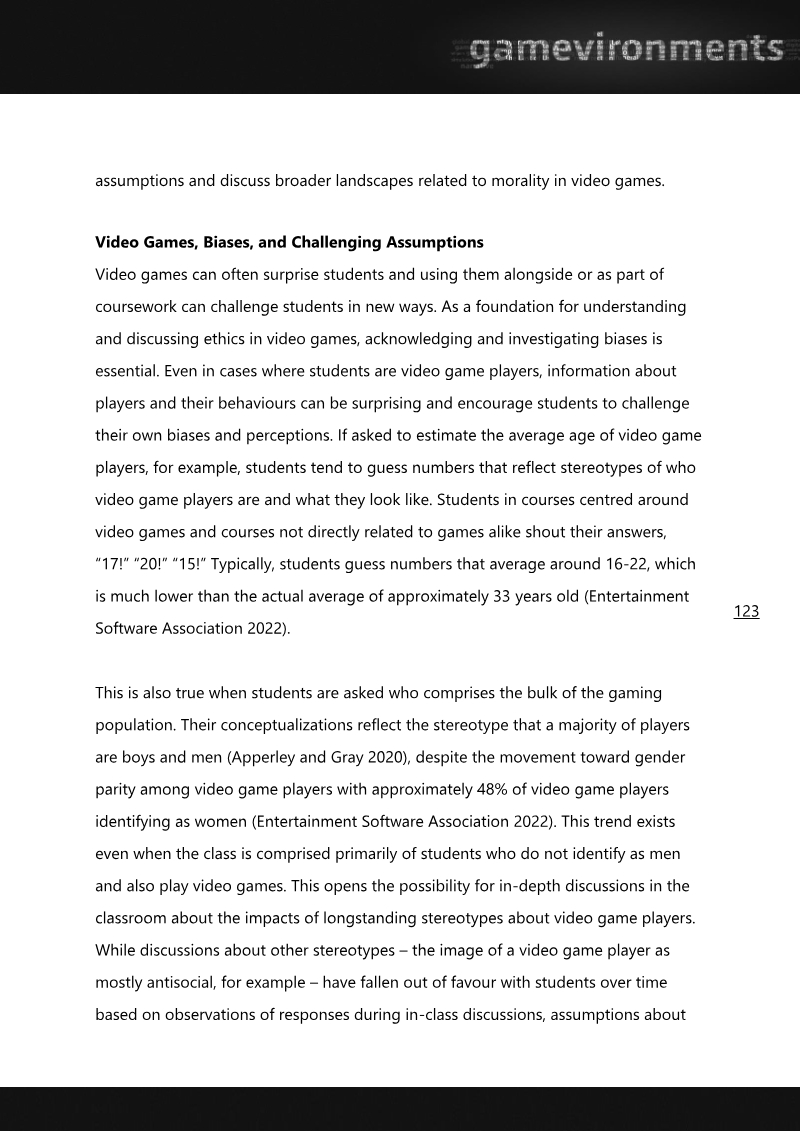
1 free read left. Create a free account for unlimited reading + AI research.
Create free accountWhitepapergamevironments
The study argues that sacred objects and rituals in the game emerge socially from players rather than being designed in by developers.
Sonja Sapach's 2015 study examines sacred objects and ritualized behavior in World of Warcraft through a complete participant observation-style virtual ethnography. Drawing on Durkheim's theory of the sacred and profane, Huizinga's concept of the magic circle, and Gold's typology of participant observer roles, the work argues that sacred things and rituals in games arise socially from players rather than being designed in by developers. Consequently, the author contends, such phenomena can be studied only by a researcher embedded within the game culture who balances insider access with outsider analytical detachment.
The methodology treats the game world as a multi-sited field shaped by mechanics and technology, following Hine and Grieve, and focuses exclusively on in-game player-character behavior rather than real-world player demographics. The author's own level 91 priest serves as the primary case example, and the approach emphasizes adapting to the rapid cultural change characteristic of dynamic game worlds. Ethically, the study contends that because its subjects are avatars rather than their human operators, the complete participant role entails less deception and privacy intrusion than might initially be assumed, though risks such as virtual harassment and the researcher's own influence on other players are acknowledged.
The fieldwork itself comprised 407 hours conducted between August and December 2012, generating 1,842 screenshots and 364 minutes of video. These materials were coded for sacred objects, including faction symbols, titles, tabards, mounts, pets, and gear, as well as for ritualized group behavior interpreted through Durkheim's account of social solidarity. The findings offer insight into the internal culture of in-game player communities, though they are explicitly limited to the specific game version studied, and the author cautions that the method must be carefully applied to avoid being dismissed as merely "playing games."
Supplementary methodological material addresses the use of avatars as research collaborators, the difficulties of emotional involvement in virtual fieldwork, the adoption of Hine's virtual ethnography framework, interruptions from real-world life during data collection, and the use of FRAPS screen-capture software. These discussions inform the study's approach but do not introduce additional substantive findings.
Each row is a game or company this document names, each column a document, oldest first. A mark means that document names it. Select a row to see those documents.
gamevironments · 2026
gamevironments · 2026
gamevironments · 2026
gamevironments · 2026
gamevironments · 2026

gamevironments · 2025

gamevironments · 2025

gamevironments · 2025

gamevironments · 2025

gamevironments · 2025

gamevironments · 2025
gamevironments · 2025
DiGRA · 2007