Transcript
[Music] Welcome to the Navit Gaming Podcast, where it is our mission to explore the business and future of video games. We bring together the industry's brightest builders, investors, and thinkers to keep a pulse on current events, dissect emerging trends and games, share lessons learned, and have a great time. This podcast is also part of Navik's growing ecosystem which ranges from free and premium research to consulting and advisory services. For more information, visit www.navic.co. [Music] This episode is brought to you by Tik Tok. Tik Tok wants to remind you that Q5, the marketing period right after the holidays, is a prime season for mobile game publishers to maximize their impact and build momentum that lasts well into the new year. Q5 offers unique marketing efficiencies with up to 28% cost reductions in top markets, making it
ideal for engaging audiences and optimizing ad spend. Powered by automation and precision, Tik Tok's advanced product solutions work seamlessly with its newest creative tools, making content creation easy, effective, and scalable to drive installs and boost in-game revenue. Learn more about making the most of Q5 with Tik Tok by visiting the link in the show notes. This episode is brought to you by Neon. For the first time in our industry, developers can finally have their own DTOC channels to save on app store fees and build closer relationships with players. But there's a catch. Selling direct means either building complex infrastructure yourself or choosing among legacy providers whose inexperience in games or questionable reputations pose real risk to your business. Luckily, there's Neon, the DTOC platform built for games. As a merchant of record with customizable web shops optimized for conversion and
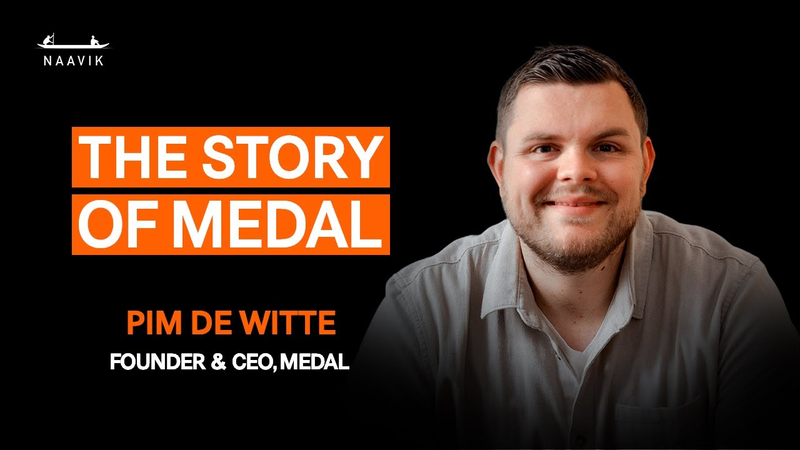
modern APIs that let you use your existing live ops tools, Neon is trusted by some of the biggest names in gaming to help you sell direct without the typical overhead. To start selling direct and finally take control over your full player experience, simply head to neonpay.com or check out the link in the show notes. And with that, let's jump into the episode. Hi everyone, I'm your host today, Aaron Bush, and I'm delighted to be joined by Pim Devete, the founder and CEO of Metal. For those who don't know, PIM started Metal eight years ago, and the company has grown and flourished as an ecosystem for clipping, editing, and sharing gaming moments, which has been a tremendously preient fit for today's era of short form videos. We're going to chat about how Pim built Metal, lessons learned along the way, and how he's thinking about the future. It's going to be a great hour. So, Pam, thank you so much for hopping on the pod today. Thank you. As a longtime reader of the newsletter, I appreciate it and glad to be here. Awesome. Uh, well, uh, before
we really dive into metal, I want to, you know, spend some time kind of going back into the past, but I guess before we we get started, is there anything you just want our audience to know? Uh, yeah. So, I uh I have Tourette's, so sometimes I twitch my eyes and do things uh that uh you'll you'll notice and it's uh yeah, you you'll uh you'll notice it throughout the call, but I'll try to uh keep it to a minimum. Yeah. No, it's all good. But, uh appreciate the the note. Um so, I guess I mean really where I I want to start this conversation is with your your first business uh which I think is super fascinating. So, at 14, you started Souls Split, which became the largest private server on Runescape and a legitimate business. Um, and I'd love to hear more about this story. Um, in part because I think I turned out of Runescape for the reasons you started your server. Um, and and also I'm just like curious what it was like running a business as a teenager. Would love to hear this story a bit more. Yeah. Um
so uh naturally also kind of comes back to the fact cuz after I said I did I got bullied a lot in school. So like my whole life was basically on the internet because that was like the only place where like you were not you know different and um I uh so I got really really good at Runescape, right? I was like one of the top players I had like a YouTube account with like loads of loads of subscribers and and then they took away like the wilderness and they took away like free trade which is like I I think like super intrinsic to the game. Y um and like shortly after that I got into um like essentially reverse engineering it, but it's it's less complicated than it sounds. There's there's like all these communities that are basically built around uh people doing this. So like there's like a lot of like really really helpful people that like teach you how this works and um and so um I got into some of those communities because I was trying to basically run these servers with some friends so we could have those things again. Um and then that hobby got a little bit out of control I would say. Um I think by the time I was so I
learned how to program through this as well. Um I mean I'd done some like websites and stuff before that but this is like especially for for games. This is reverse engineering clients and building servers is kind of where you get the fundamentals right. Um, and so I got into, um, this scene very, very young, 13 or 14, and I got really good at, I think, building the types of servers that people really really like. I wouldn't say I wasn't necessarily like the best engineer. I I don't think that was the case. I think I just had like a really good idea of like what people wanted because I was such a big player of the game and so I just built those things, right? Um the thing about like the thing people don't know like Soul Split was like my sixth server. I had launched like five that just completely failed. Nobody cared like it was like 10 players online or like five players online or something like that. The only reason why and this is like big product lesson for me. The only reason why it worked is because so when Runescape launched the ancient prayer book um like the soul
split curse turmoil, right? Uh this was like a complete meta shift in the game. And so this was like one of the first updates after the removal of the wilderness and stuff that people really really really liked, right? And um and so I realized that like I had to get that into the server, but everybody else was like trying to reverse engineer like the animations and they were trying to reverse engineer the textures and uh and I just decided to to copy paste the the textures or the animations and so I like for instance like the um uh like I just like the Sarah Domen sword animation where the thunder comes out of the sky like I literally just like that there's like I found the closest VFX and animations that I could from what was already in the game because again how I played it so much. Uh and I just copy and pasted the sprites and coded all the the game effects into like the logic and I launched it before anybody else and I just said that was it, right? And uh that worked like that that was basically the moment where my and then I named it Soul Split because I was like well okay
this is what people care about like soul split was like the number one like curse that people really really liked. So um uh that that was a good lesson that I still take with me. Uh but it basically just meant that um the simplicity and speed of doing that and like not getting all the details right was the reason why it became so big cuz that basically become like a black hole event and like the the privacy server community because it basically every single nobody else had it and then we did it and everybody else made fun of us for it at first. They were like, "Oh, these people just like ripped it like some strange way and like it's not real." And like but the players didn't care. Like everyone was trying to, you know, um uh put us down for it, but like I saw my numbers go up and I was like that's fine. Uh and then eventually we owned like 60% of the markets. Um and then I think after that we just didn't screw it up. Um so yeah, that's awesome. I'm curious like on a more personal level like how did how did this change your life? Like did you become like suddenly like cool at school? Were people trying to like bribe
you to get things in the game? Like like how does how did So this is actually this has happened once. Um so uh yeah, a lot of people at my school played the server. I didn't necessarily become cool because of it. But what kind of happened is like I I once when I so I'm from the Netherlands, I ride my bike from and to school. And one time when I uh left the the the bike stand, uh a bunch of like bully kids came to my um came to my uh uh bike and they like locked so so they put like their their their two legs over like the front of my bike so you can't really steer or drive anymore. And then they they grouped around me and then they were they maybe like spawn them stuff and give it to them. Uh and which is like I mean by the way like the other thing is at this point like I'm a pretty big guy, right? So like that wasn't necessarily like I'm scared thing. Also like I knew that after I got home I could just revert to our accounts. Um uh but uh but but like yeah it's like it's like some it was an interesting
like shift for life. Uh I um was very very lucky that a lot of my closest friends I made during elementary school. Um and uh and um the irony of this whole situation is that by the time I was 18 years old and like this progressed a little bit further, most of the people that tried to bully me then applied for jobs at my company. Um and uh and a lot of like you know and I think um uh that was an interesting sort of experience. I you know like time passes and I actually hired some of them. Um and uh uh but it was is it is an interesting sort of lesson about I I think like my way of I think as teenagers everybody is just trying to like build some form of status and I think for me I was just doing that on the internet and then once that hit I think that kind of transferred into like a lot of other things. Um, I did get to the point where I didn't really love living in the Netherlands anymore for this reason because like everybody kind of like knew how much like money was being made and like things like that.
Everybody was like rumors because they're all kids, right? And I was a kid and so I didn't really have like a super normal life. So I moved to London when I was pretty young um and then to the US. Um, gotcha. Well, I could honestly spend the whole hour just just digging into this. I miss old school Runescape and stuff, too. But um yeah, Jagex, if you're listening, I will reopen Soul Swit. There you go, Jagex. And I will give you all of it. Just send me a note. Take him up on this. I'm sure we got someone from Jagex listening. Exactly. I'll let people host it themselves and give you a cut. There you go. Um so we do need to spend most of this conversation on on metal, but one final question here just to kind of close out the story. Um, maybe you could just kind of tell us like how and why did you eventually wind it down and and more generally like how did this experience making private servers shape your trajectory as an entrepreneur? Yeah. Um, so I can't obviously still I can't say too much about like the shutdown. Like
what I'll say it was very amicable. Um, everyone has like their reasons and I think uh the truth is this thing set me up for life, right? in terms of like skills and um uh and so I I it basically like so I spent three years after this working for Doctors Borders because I didn't need to make money, right? I could literally just go work on what I wanted to. Um and uh so it set me up for life in that way and I think I I'm super grateful. The shutdown itself was like rough, right? I think um you can kind of read the leaves like Drax got sold at some point during that period, right? And so, um, sort of the the opinions and everything changed. Um, you know, I'll leave it at that. And I think like the people that ran like Grunjax are are are like incredible. Phil is incredible. Um, so, uh, yeah, I I also have a good relationship with them now. Um, but yeah, I mean, we also got really big, right? And I think like if you're a company like Runescape, then you're
Jagex. You have to uh you have to protect your shareholders and you have to do what you got to do. Yeah. Uh, makes sense. Um, so I guess uh just going forward to to Metal, you started Metal 8 years ago. So you've been working on it for a while at this point. Um, and uh I believe you started it as a mobile game studio and you know and soon pivoted it into being, you know, the the tooling and platform company that it ultimately became. Um uh I'm curious like like what were what were you making initially and what exactly did you see when making games that led to such a big change in direction? So, a few things. One, I did not I just personally did not enjoy making games. And the main reason for this was it's very like as a games company, you have to basically grind to hit a breakout which is not all skill, right? It's like unlike a platform. Like platforms is like you're compounding
every day, right? Like you're compounding, the users go up, they're using it across every game, right? With video games, you just have like a flash in a pan and then kind of it's assumed that then after it goes away and you focus on the next thing, which I didn't like that way of living life, which is I think that that's like if I if I truly boil down to it, games are extremely necessary obviously, but for me personally, I it felt not like the right fit for me to do that even though I loved video games. Um, and I just wanted to know that like what I was working because also like for context, right, I had just come from doctor's suborders. I had just come from like very like critical like infrastructure tech and like so for me that felt like really not okay in my heart and so I wanted to do something different um and it also happened to be the case that um we were spending like we didn't have enough money to go like by the way and the way you solve this to some extent is be part of like a larger network where you can sort of make sure that your games are being played right which is why like the publisher rollup strategy
and whatnot is is it's being done successfully. Um, I think we didn't have that, right? We didn't have a network. Uh, most people didn't want to publish our game. It was funny. We pitched Supercell on the idea before of Get Wreck before Brawl Stars came out and they was like, "Dual joysticks will never work. Like this will never be a thing. It's only a thing in China." Like we were actively like people didn't want to touch our game. Um, even though like we actually still have a build internally, we like we listed as one of the fun perks to work here. Yeah. And um, yeah. So um so that and as and then we so we realized that the deco center had just stacked against us and we actually got pretty good day one retention. We didn't have enough money to acquire users for day 30. Um, and at this point we had already kind of started working on metal because we wanted to do metal because what we figured out was if we just have one moment every day where we kind of send this push notification for everybody that downloads metal to go play our game, we can sort of bypass this like user acquisition requirement, which you know I was young at the time obviously makes very little sense, but that's how it started. Um, and um, so we
built uh, first of Metal, which was just like a Discord bot that just like all the clips that came in and you you could upvote them and then there was like a global ranking. that was the first version and people loved it. Uh it spread organically on Discord um pretty nicely and so we were like oh this is interesting like this is very different from the game that we built um and then we started talking to those users and and you know we realized that the reason why they weren't posting that much is because it was really really hard to go from like the recorder they were using to their phone. Yeah. Um which is where they were trying to post most of the time. And then also we realized that all of the recording software was kind of built for this like long form uh formats and like that just didn't lend well to metal. So, we built a recorder. First version of the recorder was literally just CPU encoding. It didn't have GPU. It outputed video at 24 fps, which as a gamer, you know, is like not very good, but it worked everywhere and it syncs with your phone and that was kind of like the first thing that like made it work. Um, and this was like 2017, 2018, that era. Yeah. So, I I
technically, so I looked it up the other day. I think we technically launched a recorder on Cinco de Mayo May 5th in 2018. Okay. Yeah, I uh yeah, we still have some some photos. We just it was just recently we brought Ala um anniversary. Gotcha. Well, that's awesome. Um so um I mean there is the you know the popular saying in tech, come for the tools, stay for the network that um you know clearly has played a big role in in many companies including some of the largest social media platforms. Like was that mindset um pretty core to you guys? You talked about you know building the the Discord bots and and such. like how did you like really like formulate getting this this network off the ground? I so I think initially it's important to assume that you cannot build a network. You have to tie into existing networks. So like in many ways many people had tried to build this type of company before but it was before Discord existed. And so I I I would attribute our existence for like a good portion to the fact that
Discord existed when we launched, right? And so because it was almost like it was like the the vector for the growth, right? Like the the the internet cables like they were basically late. Um and like if you think about these tools, right, it's all about K factor. So it's about the amount of new users that each new user brings in. And so if the connectivity of gamers is not that high and they only send like 0.5 clips per day or whatever instead of like 1.5, then that's the difference between life and death, right? And um so I attribute a lot to the fact that we invested in Discord early as a platform. Um by the way, I still think investing in Discord as a platform is very like underappreciated. It's actually I think it's crazy. Um uh and uh like the Discord graph is like one of the most open like and I give Jason a lot of credit for this, right? He he probably would with with a lot of pressure for this, but the Discord graph is generally one of the most open and like accessible graphs for for for companies to build products on, right? Um and and it's directly integrated with with a lot of friends. So uh so yeah so I attribute
that like a lot of the earlier success um and uh how I think about comfort tool and safer the network I think this was so we use this we use this phrase a lot internally but I think a lot of people that get this wrong they assume that you have to build a tool in the network together right um and I think so uh so and the truth is that like consumer is all about like I always tell people razor blades not Swiss Army knives right so if you if you do this value proposition of it's like a lot of my competitors tried to do like Instagram for games and like you know they tried to like really make this clear they tried to pay a lot of money for like large traders to join um and that didn't work out so well and I think the bet that we made which was a very conscious bet that we made that at the time was very controversial um was we are going to spend all of our resources on building really really a good capture because what that will do is once we succeed that we'll have so many users that we can see the network so we always sort of described it as a clipping tool yes we made sure there was a profile and
like that wedge like wouldn't go away. But uh the network on metal actually didn't start succeeding until the the 2020 presidential election which was like so to give you an idea that's three years or something like that like two or three years right and um and by this time right we we already like by this time we already had like 100,000 DAUs right like it was already growing very very clearly um but like for instance like a lot of people assume that you launch these things and they just grow we actually initially just like did paid user acquisition with like uh search and things like that right and because right so a lot of people don't understand like there's not one way to do this there's like many many different ways um and like there was co was the point for us where we could just stop advertising and everything started taking off organically and then still the network wasn't really working and then the presidential election was this like super weird moment where like all of socials was completely flooded with politics and so people started all of a sudden spending like more time on metal um and this was a strange inflection point that just never really quite went away um and like just like weird things
like that That was mostly luck, right? Um but um yeah, so so I think comfort tool safer network, yes, like we use the strategy, but also like there's loads of tools that can be turned into networks later. I think this will be a big trend of like this wave of the internet, right? I think um the way I like to describe it is like habits like clipping. They're basically the best analogy is through like interest graphs. So like if if you divide social networks in in categories, there's content graphs, right? Um and then there's interest graphs and then there's social graphs. Interest graph is where it's it's like a mix. So like a person can be an interest or a um uh um uh a content can be interest. So like on Twitter for instance, it's a mix, right? YouTube is like the atomic unit is very much content, right? Twitter, it's like it's like the person and the tweet. So um so basically social when you're um uh when you're a tool right you have to go up market very very uh very very very
very uh quickly um but these tools individually are also interest graph so like it's an interest graph in the tool itself right which is why you see like modding communities take off because it is essentially like and I think this is this is the important thing that if you are a game right your game is the interest and so you have a a graph in that that you can leverage into into like a wider net, right? It doesn't have to be that you sold for every inch initially. I think this is what like Roblox did incredibly well. This is what like Fortnite Creative is trying to do. GTA 5 also like look at it, right? There was just an like this is the clearest example. GTA 5 just like 5M just realized that people liked role playing, right? And that people liked role playing GTA 5, right? And then that became a whole thing and that now drives a big part of the business, right? And so I think a lot of and and also I think people are starting to realize that this like super noisy um social media landscape is actually getting sort of turned into these smaller pockets of
interest graphs, right? And I think so this is I think like and broadly I think so games themselves game mechanics are interest graphs and so I think game developers just are leveraging that into the next network. Um, so I think my recommendation would be skip the social and the content and like all the stuff that like previous internet era was built on. Go hyper narrow, right? And then just like let people uh discover things with the things that they already like about your tool. Um, awesome. Sounds smart. Um, so I want to talk about how you manage the inflection of the business in a second and and I I I teased this in the intro, but once you found uh you know your product market fit, um, like just to kind of say explicitly for those who are still wrapping their head around metal a bit, like what exactly was the the mission of the company that you ended up settling on and like what exactly like had you built at that point in time? It's uh enabling people to create memories while they're physically apart. So fundamentally it is about creating a
memory, right? So for instance um metal is a recorder. It detects when you start playing a game when you hit a button it records the last 15, 30, 60, whatever you set it to. You can also use it to do full session recording if you want to, but it's not like the main thing we're known for. Um and then um uh you can you basically it uploads in the background. You get a link to share with your friends. You can put in Discord. you also have a metal profile uh that you can share to and then some of those moments that you turn public go viral to the community and and then you know it's like there's like a Reddit like system uh if you will I think initially so everything can be described as letting people just express memories in virtual worlds like I think like the best way I describe the company is like it's the iPhone camera for video games right and then on top of that sits the cloud business and there's like the the social network business the cloud business is monetized with subscriptions and the social network business is monetized with ads, right? Um and it's like it's it's quite simple um in terms of like how you manage the inflection point. So
the thing about metal is um the amount of like absolutely like everything is on fire situations I can count on like two hands. Uh and I think it was also because I had handled skill before with soul split, right? So like I and by the way like keeping like thousands of like live concurrent connections in a game server is much more difficult than scaling up like HTTP REST services. Sure. So um so we had kind of like it's kind of strange I think we kind of had seen this before. Um the in the hardest thing I think was the hiring piece is I think I overhired um initially because I didn't know what like great talent looked like and I think that was like just a hard earned lesson over many years. Gotcha. Um, so I guess just to put a bit more context on this and we can kind of dig into a couple of the details here. Uh, just to give the audience a sense of like kind of the tailwinds and like what all you kind of saw unfold all all at once. Um, I mean obviously you focused
on short form video and then Tik Tok came out, YouTube copied and it became like the new popular means of consuming content online. Around this time too is when COVID happened and so people were just like exploding their, you know, digital engagement. Around all of this, of course, is when Fortnite blew up. The Roblox, you know, took a giant leap. And so you guys were like facing all of these like waves. And I mean I imagine like you know on one hand it feels great to like be validated um at an in an accelerated rate in this way but like take me behind the scenes a little bit like when you're seeing hyperrowth like this like like like how did you grow as a leader like like how did you kind of like figure out how to manage this? What was that like? Yeah. I don't I don't think there was like I know in like the movies it's like one sexy moment and
like that defies everything but that really was never the case for us. Like I think for us we um yes co was crazy like co was probably the only time and also like what people don't know is like we were almost out of money like right before co right so like I think we had maybe six months of money left in the bank when covid hit and I actually like you know and and like you know as you know like the entire economy crashed uh like when that happened and so I called my investors and and makers funds thankly um uh agreed like within a week or so to like lead the series B at like a like they didn't use that situation to their advantage at all. They put like a really nice up round down immediately let the series B at like an $80 million valuation or something. Eternally grateful to them. I uh but what I had done like right before that is I had gotten a call with my team and I said guys like this is looking really really bad. Does anybody want to like get some more equity and like trade in some of your salary? And I did the same because we just like we didn't know whether we were going to make it, right? Uh and
like I I've never done this. Also, one of the things I did was I said, "I'll make sure that when we do the next round, um you can sell that uh and um uh and uh and then um most of those people that then sold it at the like a very very very nice uh high valuation made good money. Um but uh yeah, I so that was probably one of the crazier things. But then meanwhile, right, usage was going up, costs were going up. We had to like take all the hosting costs like down to like a minimum. Um like we also at this point like we removed like uploading as much as we did. Um so like we made people having to like choose what to upload. We just brought that back because the business is is so profitable now uh like five years later, right? Yeah. And um yeah. Um so uh yeah I think they were just like everyday as it comes. I don't think there was like one moment uh like but those were the crazy ones. Uh and then also one of the things that we did really really well is
like because of the fact that we sit across games like we get a lot of data for our growth team that can figure out like which games are retaining really really well and like which ones to invest in. Right? So one of the things that we did is we called it Valerant really really early as like the next big thing and we started working with a lot of Valerant influencers and esports teams and um so I think that was probably the biggest and then people started requesting all sorts of features for Valerant at one point Valerant was like 40% of the users which then is also a problem right so um and now that's Roblox for you guys right yeah it's public so it's on trends on metal TV it's kind of like Google trends for games you can see exactly how it's broken down but yeah GTA 5 blocks. Um, but with Roblox it's fine because Roblox has so many sub games, right? Like with with Roblox. Yeah, it's a platform. It's a platform. Yeah. So that's not as much of an issue. Yeah. Gotcha. Um so I mean obviously like the these co times uh they present growth headaches uh more in a good way but but naturally I mean as
we saw across much of the games industry much of the tech industry there also was the co hangover that you know hurt even more in a lot of ways but from what I have have heard and I think seen from you guys you guys were metal was able to work through that pretty effectively and not get um you know so negatively impact ed by um I guess growth tailing back in a meaningful way leading to declines. How what what made you guys different or special or something you did to to buck that trend? So I don't think that it didn't affect us. I think we just realized that it was going to affect us a lot sooner than everybody else. Um and so like there was a so there was there was a period and I I believe it was end of 2022 when few things were true. So like we were we stopped growing um because the covid pullback. Uh we knew that this group was trying to launch a competing product at the time. Um and uh so we had a call with with the whole team and we said guys like we have to go back to in person, right? We have to go
back uh together in office because we were not as fast. We knew that we were not as fast as anymore as we used to. Uh because I think like working remotely just wasn't the same. Um and then and then uh so we did that really really early and then um very quickly after that the social like the connected that the the content so the content graph started working after president presidential election the social graph where people actually started following each other interacting kind of started working like two or three months after we got back to in person. Um and so we we basically just and that was super effective for like games like Roblox right where a lot of people are trying to connect with each other. So we found essentially like a second leg of growth like very very quickly after COVID which is I think why it went like mostly unnoticed because it felt looked like just a continuation on the charts. Um and then um the other thing that's really really interesting about metal is like similar to like Instagram right like and Snapchat a lot of the time is spent on yourself and so if you're a platform like Discord and like to be
clear I don't know Discord specifics um uh obviously respect them tremendously uh but if you're a platform like Discord or uh or any social network where basically the number of users depend entirely on the number of other users that are there to activate other users right because it's chat right? Then you are and same thing for games, right? Like player liquidity, right? Uh if there's not as many people online because you have less hours in a day to play video games, then there's less activation points and so the amount of users as a result uh because the graph holds everything together goes down. Um even if it's just people like it even goes down even if people play one hour less per day for instance, right? uh something as simple as that will will have like an exponential decline um effect like small exponential but it is there um and so um we didn't have that problem because most of people's time on metal was spent on themselves anyways like it didn't depend on other people being there um like first and foremost people love recording themselves like same thing about like Snapchat Instagram like a lot of the time in the app is
spent on the camera and the lenses right so same thing was true for metal so we had both the benefit of that um and the fact that we found like a really really good growth ever uh which allowed us to just continue growing and I think I I have to check the numbers but I think we're probably 10x now what we were at the end of co that's amazing um and I know over this time period too M&A u acquiring a handful of companies played a role and and some of this um could you just break down like how you approached M&A over this time what you learned from from doing deals yeah um I think the number one thing that I learned and to be clear I think every single one of the deals uh uh was like a combination of team and like tech and strategic overlap. Um I think the number one thing that I learned is that everything hangs on the team. So like even like even if the product metrics are great or whatever like that the the team is what makes it happen and um I think like in the for instance in the case of Mega Cool the entire team stuck around with the company majority of them are still
here. Um and um yeah, only reason CO isn't is because she couldn't move to New York. Uh which like I would have totally, you know, like if I could, I would have opened up an office just in San Francisco just for her. And um I uh um so when you when you find it and and so there's not that many people that are into clips as much as us. And so when you find a really really good team, it's it's it's incredibly important that you hire them because um uh there just aren't there just aren't that many people that care initially, right? And um and I think we also kind of like so it was also a really tough market to win like for us and I think it was kind of clear to everyone during co that we were going to win. Um, and so I knowing how how hard this work was, I just I reached out to different CEOs. I was like, "Hey, like I'd be pretty interested in just working together and just like giving you guys like stock and like like merging you guys in as like part of the company." I actually like people don't
know. I closed Fuse and Gift Your Game on the same day. So I literally I flew uh to LA. I met with um uh um uh James from Gift Your Game in the afternoon. Shook hands on terms. Then I then I went down to uh Jonathan from Fuse and had dinner and stayed there and then shook terms with them while closing my my uh series C round, I'm pretty sure. That's that's what they call founder mode these days. Yeah. Uh but but the point but the point being right like I think everybody kind of knew that like we were winning. Uh and by the way like I'm pretty sure that like like these were all very very good founders, right? Um and and I think you know like uh fuse I think uh like you know would it have been like um uh a different go to market the editing first it was was like a very very uh a strong uh product uh I think they were unable to control their full destiny because they were like inside another platform.
Um, and then uh if your game was like incredible technology, right? Uh was um engine level replay, but the problem was that it only worked for like single game. So if the game went down or like in players didn't really work. So both of these companies had like very unique problems that like had they not had those like they would have probably been much bigger. And I think um so for and they had incredible teams like we knew this and so we brought them in. Um mo most of the team like the metal editor was the fuse editor. Um the uh the current upload pipeline for metal was the mega cool upload pipeline that they had for mobile game studios. Um and um uh the uh live streaming system that that is in the group chair system was built by the RAO team who built the live streaming platform for the Middle East because they had like really really like interesting latency requirements and were very very good at this. Um so it's all about the teams I think at the end of the day. Um uh making sure the teams
are like talking to each other and are like you are close with the founders and like you really get along is super important. Um I think uh and then if there's interest to do something like there's usually a way to do it. I think it's it's um you know thankfully the VCs also were were quite supportive. Um but uh and and then yeah but at the end of the day it's all about people. Yeah. Uh, so yeah, that's what I was kind of lead into. It sounds like a lot of the lessons learned when when you look back across metal have something to do with the people. Um, and one one other pattern I just kind of caught on to from listening to a couple other interviews with you when when preparing for this one was uh you're like pretty constant focused on uh like high velocity. Um, and I'm curious, uh, you know, like as metal has gone through evolutions, how has that mindset played into the company at different stages and how have you thought about ingraining that like into the DNA of the
business so that when you bring in new teams or you go back in person or whatever changes you're making that it, you know, it kind of like reflects your speed and ambition as a founder. Yeah. Uh I mean this is going to sound like cliche but I have like three core values that I try to like live by which is trust, excellence and velocity. So trust um so trust is built through excellence which is like both in like how you treat people, how you do your work. Then um if you have excellence and trust that automatically drives philosophy you don't really need to do anything. Um so if you if you just literally get these three things right then like everything else kind of sold itself. Now practically how does that evolved because like obviously I didn't have that clarity like this was like like a the last three years thing, right? Um uh so a lot of it was from so Ken who's now the CTO and president of Metal who came in through the give your game acquisition um I think he really helped me understand this better. Uh I was originally like always optimizing for speed and I think um speed and velocity
are very different things like one is like you're optimizing for like the speed coming out of the turn whereas with speed you're not necessarily thinking about that as much right he's a race car driver so he always makes these uh these analogies um and um so uh I think a lot of early consumer is all about shots on goal and like and like the quality of the shots on goal don't matter that much like like the analogy of soul split right like just replace the sprites uh with and the clapping emoji and this the Saridomomen uh thunder, right? Like that drove I think my mentality. I think now once things start working, it's also about how do you leverage that thing that's working into more things as opposed to always trying to think through like what's like the next net new thing. Um and I think the right road map has kind of a combination of the two. I think you never want to lose that like new bets uh mentality because I think that's just drives great companies. Um and um uh and um but at the same time uh I think you know if you if you ask the team like I think we we could have executed better
over COVID had we focused less on speed more on velocity for for instance right um so lessons on lessons on both sides uh but I think um it's tricky you just have to like basically uh make sure that every week you're working on both but that uh you never stop paying attention are the things that are working and how do I define things that are working which is basically anything that's growing like at the rate of MA use organically or higher right and then uh adjust it for um uh adjust it for um frequency use over time so like if the amount of time people are using things after launch goes up it's usually a good sign if there is a direct correlation between retention increases and what you launch is usually a good thing if um uh if the thing that you launch is growing fastaster faster than ma, right? That's usually a good thing. And usually if something's going slower than ma, uh, in terms of like people doing that actual thing versus like the baseline of the platform, it's usually just time to cut
it. So I think we just have like a very specific way of of of measuring and doing things. And we were also been like super data driven. So our, you know, for any entrepreneur listening to this, our entire thing is hooked up to amplitude, which is great for this. Um, and uh, uh, everything is like instrumented like very very closely. Uh, and so that's the ground truth for like most of our decisions. Um, yeah. Gotcha. That's super interesting. Um, so let's let's go ahead and zoom to the present. Um, what what's up with metal today? What's the state of the business? Uh, like since, you know, since you started 8 years ago, like what are some of the newer things that have been added to the the platform? Would love to just kind of get the present state view. Yeah. Yeah. So, so one of the things that we've learned and is that the more people we connect, the faster we grow. So, a lot of a lot of is like one of the features we recently launched is like when you just finish the game actually show you like who which other metal users were in this game. And the cool thing about this is the bigger we get, the more effective this gets. And so, what we're noticing
is like the more we connect people, the the more people like metal. And um I think so a lot of the focus is actually just on super simple things like this. In terms of new bets, one of the things you're going to see from us is we're building like a very very AI first editor. Um, which uh uh which I mean you you could expect is like uh uh and um you want to interact with things this way now, right? So uh I think people want like our current editor still feels a bit like it was built in 2021. I think a lot of technologies have changed where like you know you can you can actually just like program effect like an LM can just program effects for you now, right? um using like ffmpeg commands and you can just run those right u uh securely obviously because you only run the filters but um yeah like as an example right um and uh like all these things you can do now um and I think uh yeah so editing is a big focus for us connecting people is a big focus for us um
uh we're doing a lot of things around working with game developers so we just got integrated into the first EAFC game in Korea Yeah. Uh which is like our first like full in-game integration where like you have like the middle like clon homepage of the game and it's a cool loop. Um that's awesome. Yeah. Um uh so so I think that the the three top priorities are connectedness um self expression so editing um and developers. And I think like the the last one is important because I think for us uh it's becoming increasingly clear that like not a lot of like larger platforms care that deeply about developers. game developers specifically. Um, and so we're trying to make sure that like developers have the tools they need to get their game exposed because Metal is the exact audience that you'd want for that, right? Because they're the people that share content. So, we're we're starting to work with like we just launched an events SDK which is like primarily for Roblox studios. Uh, GTA V servers use a lot. Minecraft servers. Um, we're testing this stuff on servers, but you can expect it to also go into larger game studios. Um, and then
basically using the metal content to connect the dots in the graph, right? So, um, you know, when you're when you're on EFC homepage, you watch a clip that makes you want to participate, right? And then participate to make sure that you're the next player that gets discovered there, right? And so, um, I think, uh, working with game developers to have like some of these like really close loop ecosystems that makes their game better is a big priority for us. Yeah. No, that I mean that's awesome. It makes a ton of sense. So, I I didn't realize you guys had started embedding yourselves into games at this point. I mean, I mean, we have a bunch of uh you know, leaders of game studios and developers that listen to the the podcast. Are is there like a certain type of game that should consider working with Metal that isn't yet? You have any dream games or studios that you would like Metal to work with? Yeah, the the best games are are multiplayer ones. So people where there's inherently sharing going on already um those are uh
really really good. The games where a lot of really unusual unexpected things happen they perform like really really well. Um and like usually so clips do two things. So clips and we did a bunch of research on this uh when we acquired Megaool. Uh it basically lifts so per user it lifts on the entire user base re-engagement by about 5%. So like the new users coming back per day because what happens is um you send a link to your friend and your friend wants to play the game right uh and then also it it increases the we also measured on mobile that it increases baseline organic by about 5% a about 5% a day so um uh so baseline right so like a thousand users per month like 50 came from direct attribution and then another 50 were reactivated because of that right so it's a 10% just base lift um once you get games uh once you get clips implemented. Um, and uh, so I think that the G and then you know it obviously depends on the implementation, but I
think uh, PC is is sort of where things are at. We we always also working on on mobile things with PC is where where the majority of the users are. Um, and then uh, increasingly we're working on working with game developers on launches. So if you go to the homepage of metal now, there's the new game section. Um, this has worked incredibly well. Uh, and and you know, metal as it grows, right? It basically becomes almost like an invisible game store, right? Like it doesn't make sense that you have to be locked into game store gardens essentially. Like if you can just discover it through the clips anywhere, right? Then um that's it's the most open way and and most like I do this thing where I go to conferences and I ask people um when I do a talk like raise your hand if you discovered your last game through a clip and usually about half the room raises their hand. So, I think it's like this large like still like underappreciated channel uh that people should just be investing in. Uh and yeah, happy happy to chats. Um multiplayer server based games are are the best, but I think uh um it it works for any game. Yeah. Um yeah, that's awesome. I hope I hope some people
listening uh take you up on this. But um I guess even just to uh kind of paint the picture of where you guys are now. Like are there any stats you can share about your users or clips or anything to kind of share that scale? Yeah, I guess we haven't shared in a long time. Um I think I think we're currently have close to 2 million daily active users. Um yeah, and it's growing super quickly. So we're growing faster than we ever have. Um that's amazing. I believe we add something like we add in the tens of thousands of users per day organically. Um and um average user uh actually I'll do the um total clips per day. So we just crossed 1 billion clips per year taken. Uh and I think the current rate is over 5 million a day. Uh uh just to give some context on how fast that's growing. Uh that's crazy. And it might already be at six. I don't really know. Uh but yeah, so like we we supply right like if you look at like the content on on Tik Tok and YouTube like the majority of it in some capacity is coming from
metal, right? Um uh and um yeah uh and and like I think also like as we move into you know people getting you know getting more free time because lens and stuff make them like more productive I think gaming just grows right. I actually am not a belie like I'm I'm not at all a believer of the narrative of like the PC game industry is not doing well. I think you just have to look at Roblox, right? Uh I think like game developers just have to accept that like games are becoming more trendsike, right? And then sometimes you can leverage that trend into an interest graph and like make people retain. But like that's increasingly rare and like I so I think like gaming just has to realize that it's changing. But if you look at the fundamentals, I don't think they're that bad. Um, and I also think that like if you ask a teenager like what they want, right? It's still it's still a PC, right? And it's still because like that and and and and that's true because the PC is where you can like most closely express skill level online, right? So I think increasingly increasing trends towards super competitive high performance games that
are um uh inherently multiplayer server based uh and um and I think also like the fact that the barriers are getting broken down with like Roblox where you can like the switch and cost like you don't need to download things to go back and forth. I think that will continue to be a trend. And so I think like broadly you know Metalist is really well positioned. Uh I I think it also breaks the narrative of like PC gaming is like not in a good spot. Like the truth is like if you look at our growth, it completely disagrees with this, right? Um and I think the best teams just execute, right? And they find a way. And I think most people that that like blame the PC market for being bad, like objectively it's just because better teams are currently performing better, right? And those those teams are Roblox studios. Um so I I think at the end of the day, um we just have to change as an industry a bit. And I think um uh into shorter cycles, right? faster releases, more experimentation, um, and using all the tools that we now have access to thanks to AI, right?
And more investment in like UGC. I think like this is obviously where things are going. Um, so, uh, so I think as a result of that, things will just continue to accelerate. I think there's also a bunch of really cool unlocks on the horizon for um like I think I think actually like what Backbone is doing for instance with um like making mobile gaming accessible is like super underappreciated like I think I think we're going to see a um and then disclaimer I'm small investor in backbone uh uh but I think it's like things like that basically where like excloud like the infrastructure pieces on um are getting laid uh to the point where I think PC content becomes like the base right and then the the places you can play that changes, right? I think we're not far off from like game streaming like truly working on like TVs and like being decoupled from the hardware. I don't think we're that far off from uh from from it like working on mobile. So, I think um and then also that what happened with Epic and and Apple is like uh I think we'll start we're start feeling the effects of that. So, I think the whole industry is uh is
is is as like we get to AGI, which like I do think we will, right? Um is going to explode because that's what people are going to spend a lot of time on. Um and um yeah, so I'm excited. I think uh um looking forward to seeing it through all the way. I think getting there's no bigger honor than getting to spend your time connecting people who are physically apart, right? And uh helping developers roll at it. Yeah, I mean this has been amazing to to learn about where you guys are today. Um, I guess one one question related to all this change that I have is clearly you guys were early to short form video and just like that massive change in content online um and that propelled you guys, it propelled all sorts of other um platforms and companies too. Um I'm curious like as you look at the next few years um do you like what other changes in content are you anticipating? like is Gen Alpha going to do things differently? Like how
is AI really going to play into this? How are you looking forward? Okay. Yeah. So, I think that the big change that you'll see is that like people are like especially kids are just expecting different things from computers. Like look at JBT, right? They're just expecting things to be more interactive and smart. And so I think um I think the main change that we'll see is is actually the like in-game character objects and not in current games like new games being built around these type of interaction methods, right? I think if if the AI gets good enough, it is uh it it is like it solves player liquidity essentially, right? And uh so I think this is a big change that that we'll start seeing coming. I also think solving player liquidity becomes both harder and easier. Harder because AI content on like video platforms is competing for time increasingly more and it's very very good at it. easier because if you can build better games when using these tools um and people are spending more time on video games because they have like a lot more free time then that same thing that happened during co with player liquidity uh ends up becoming easier right so um I um
uh and then the tooling right I think we're going to just see a lot more games get released a lot quicker and that's exciting I I can't for like I can't wait to to play them yeah no that's that's super exciting so I guess I tying all this together, you you've talked a little bit about how all of this coming together is changing your road map and you know you're evolving your editor, but you know, like when you think about the future of metal and you're looking out a few years from now, like what ultimately are you envisioning? Like how do you want the metal of five years from now or however long from now to look different from today? Uh at the end of the day, we're solving the same problem that we had as game developers ourselves, which is that we couldn't get our game game discovered even though people wanted to share stuff, right? And uh so and that and that is that is why we do what we do, right? So uh if you look at at Metal games grow seamlessly because of people expressing themselves inside these games using clips and that
becomes like a meaningful contributor to growth for game developers. Uh and then um uh right it becomes the place that connects everything the servers the uh the the different games that you play right and then as right as I just described as people get more productive and and spend more time playing video games I think self-expression in digital worlds when you're physically apart is going to be just the primary way that we do things because spending time scrolling at linear feed that has like a bunch of AI generated stuff is not as interesting as like spending really meaningful time with your friends even if you can't physically be apart right and So I think that's that's where it goes. Um at the end of the day, this just becomes a massive network and uh but one that is more like the browser and that is very very open um unlike like platforms today. Yeah, that's exciting. I look forward to and also because we monetize with ads by the way like we we like we wouldn't need to charge um like fees, right? Because we actually monetize the engagement and subscriptions like we like the the incentives for us are directly aligned to the developers. Yeah. Super
interesting. Um, so we're we're nearing the close of the the episode here, but I had a couple final questions for you. Um, one, it looks like last year Metal spun out another business highlight. Uh, would love to learn the story here, how you thought about spinning out and running a completely different business. Yeah, so it was actually quite simple. uh we just realized that capture was going to become increasingly important for LLMs uh so language models for those who don't understand like because it would allow them to tell what's going on in your screen right and then obviously we separate them for privacy reasons so you actually send but it would basically allow uh so you didn't have to write prompts put in screenshots and so we just understood that that capture the same systems that we had built for metal were going to be critical for AI and I think that for us we had already built the most performant recorder for video And we realized, okay, we have, you know, we have to do something here. Um, and so I initially coded like a first prototype of highlight where I just
loaded the CHBT web app into Metal and the recorder and just had it write prompts based on the screen and with one engineer on my team, Cortic, and uh we we showed it to the board in January and everyone was like, "Wow, this was cool." Um, so we uh also it has nothing to do with video games and it's like it's it's more for like companies and enterprises. Um, but I spun it out. Uh we have some very big news announced around it soon. Um cool and uh yeah I mean it's going incredibly well. Uh it's called highlight AI. So the best way to describe it it's like clipping but you're clipping context of your screen to sensor models instead of the games themselves and everything feels that way. You'll you'll see it's how you've always wanted to interact with these things. Um and um yeah I look forward people trying it out. Yeah I look forward to to trying it out. But I I guess final question about this though like u at least according to LinkedIn you're the CEO of this company as well. So now you're you're running two companies. How how is that how are you how are you doing that? How does how's that? So so I the the joke I tell people is like because I have because I use it
I get a lot more productive and that's obviously a bit cliche but um uh it it is actually true uh if you ask my team but the the reality is like highlight started as an internal team. Um, metal has five co-founders, highlight has four co-founders. The way that I solve it is I set up the incentives incredibly well for other people so that like I'm not a dependency. I spend most of my time building things at the company. Like I don't really manage that many people directly, right? I always like um and so the way that we're set up precisely allows for these things to occur. Um, so it really feels like running an internal team, right? Like I kind of show you that the highlight team is uh is right here and then the metal the metal you you can't you can't really see it fully, but the metal team is like right behind it, right? It's like we're all just like one uh like one office. Like it doesn't feel like really like truly separate things. Um it's just that be like if you're going to go after enterprise and companies, you have to work with different VCs. Um like different requirements, different team. I had to go recruit early employees. Uh and um yeah, it was just a different situation. And so we're very happy we did it. Um you know, I'm I'm like I'm not going
anywhere. Like I think for us like this is this is very much we're just going to hire incredible leadership at highlight to do uh um to to running increasely like enterprise and things like that. And so yeah, it's it's going well. Yeah, I admire your long-term commitment um to to all of this. I think there's something and then also big thanks to Ken like Ken has stepped in in this leading uh metal in in like very interesting directions and that's what Ken has allowed me to do this basically and I think everyone's very happy. Go Ken. Exactly. Uh two two final closing questions for you of Pam. Um first of all um I mean we've spent a lot of time talking about your your slice of the world, what you're thinking about um at work every day, but you know when you're looking out across the rest of the industry, what else are you excited about? Whether it's a trend or a game you're looking forward to, what are you looking forward to for the rest of the year or so? That's a good question. Um, I am looking forward to having time to play more Rocket League. I I see the
hat. Yep. It's been it's been such a crazy like after right, you know, as you know, like running two things, it's its way into all time. So, I haven't played ranked in in probably a month or two. Uh, and I am I am looking forward to getting back in and realizing how bad I am compared to everybody else after the meta changed six times in 60 days. That's the way it goes. I feel you on this. I definitely understand. Um, and and final question, just if anyone listening wants to reach out to you or Metal, uh, where is the best place to do that? Yeah, it's just first name. So, pim at metal.tv. I'm also on Twitter or just my full name, Bimit, or I guess it's called X Now. Yep. There you go. Sweet. Um, awesome. Well, let's go ahead and and wrap up here. Pam, thank you so much for joining me today. I I really enjoyed getting to spend time with you and learning about everything you're working on at Metal and now beyond. Um, so, so best of luck to to you and the whole team on everything here. Thank you. I appreciate it. And to all of our
listeners, thank you as always for tuning in. We hope you enjoyed this episode and we'll catch you in the next one. If you enjoyed today's episode, whether on YouTube or your favorite podcast app, make sure to like, subscribe, comment, or give a fivestar review. And if you want to reach out or provide feedback, shoot us a note at podcastnavic.co co or find us on Twitter and LinkedIn. Plus, if you want to learn more about what Navic has to offer, make sure to check out our website, www.navic.co. There you can sign up for the number one games industry newsletter, Navic Digest, or contact us to learn about our wide-ranging consulting and advisory services. Again, that is www.navic.co. [Music] Thanks for listening and we'll catch you in the next episode.
Auto-generated captions from YouTube — names and numbers may be misheard.













Comments