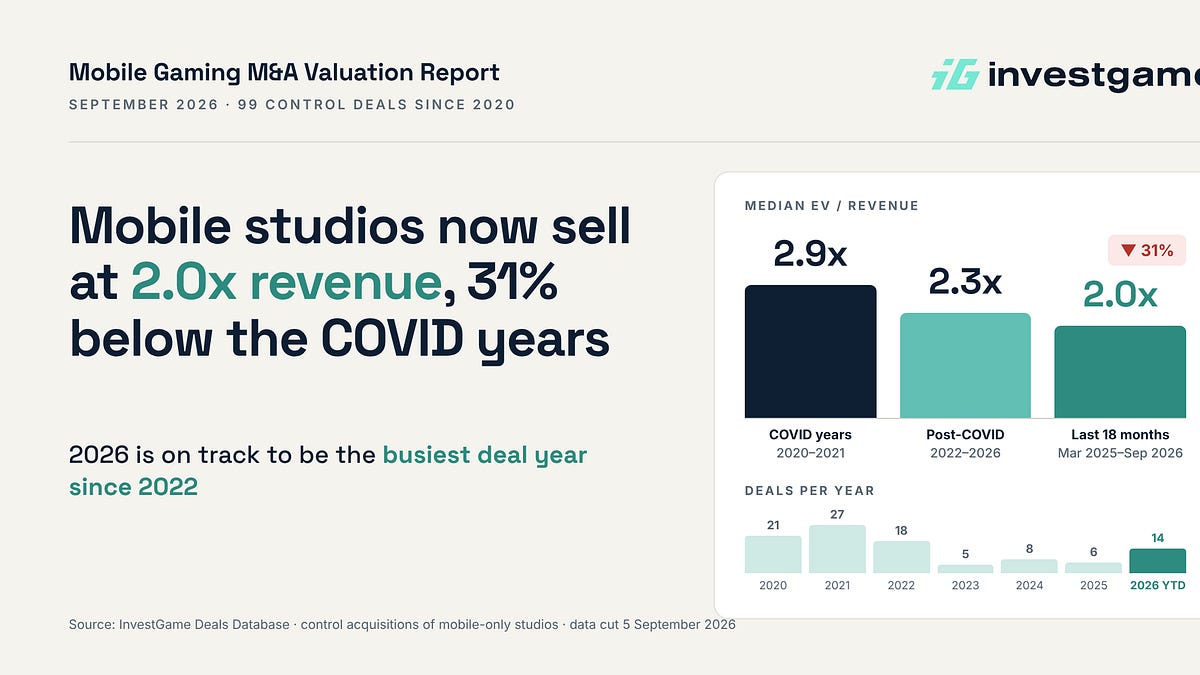
The sector experienced stagnation between 2022 and 2024.
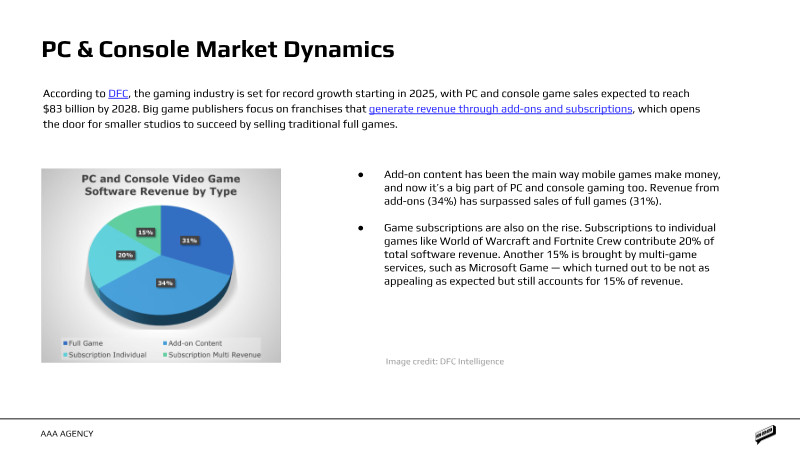
These models are moving toward recurring subscription services and add-on content.
Brands are shifting toward long-term partnerships over broad reach.
Their rise supports the shift towards authentic community engagement.
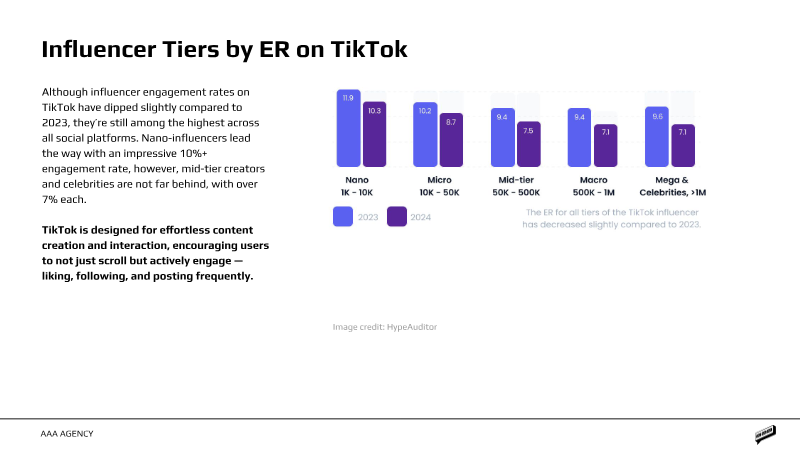
Key Engagement. Nano-influencers are achieving interaction rates exceeding 10 percent on platforms like TikTok.
This necessitates multi-channel marketing strategies. The emergence of these platforms underscores the need for diverse approaches.
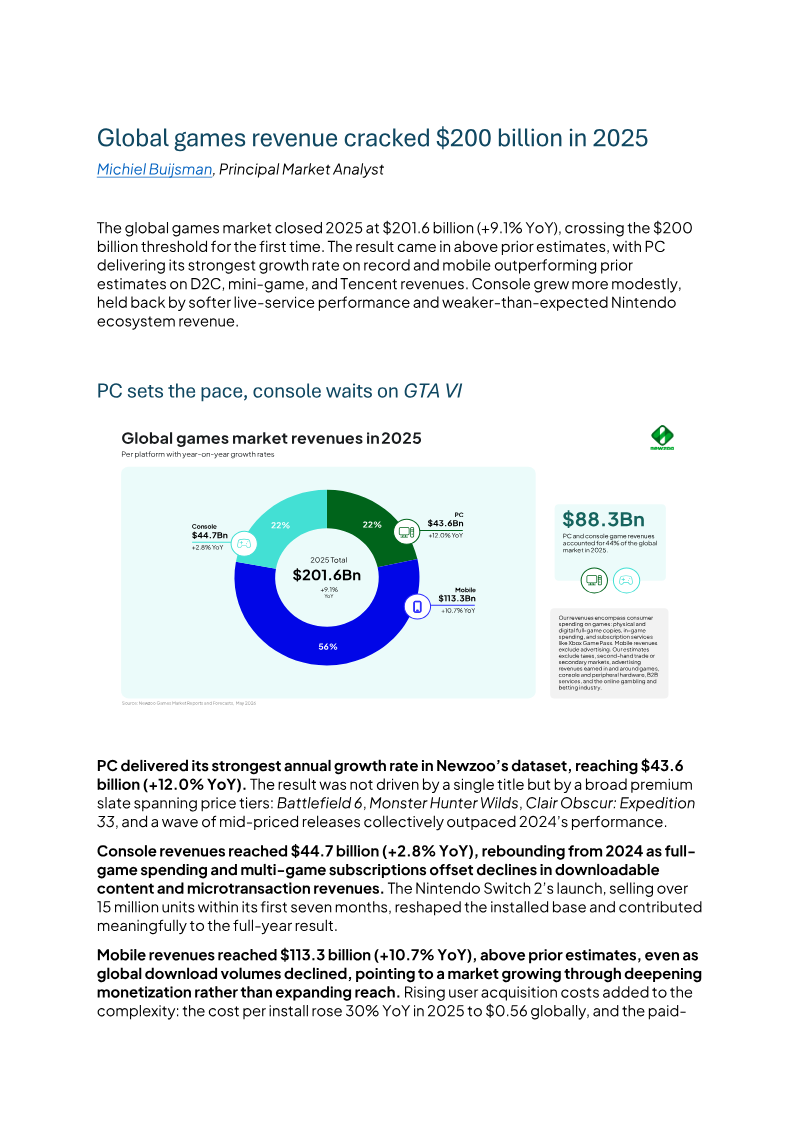
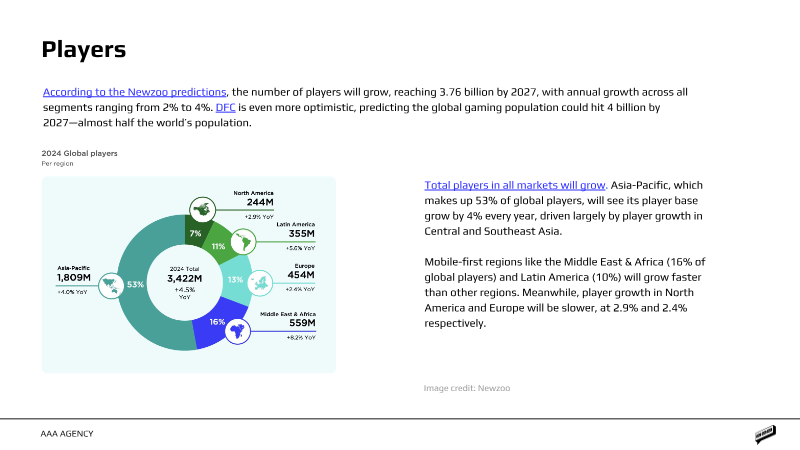
The global gaming industry is currently navigating a transition from a period of stagnation between 2022 and 2024 toward a more resilient, diversified future. While early-stage venture capital has receded from its 2021 peak, the sector is stabilizing through increased merger and acquisition activity and a projected expansion of the global player base to nearly 4 billion by 2027. Mobile gaming remains the primary revenue driver, accounting for 55 percent of market growth and generating $80.9 billion in 2024, even as download volumes face slight contraction. Concurrently, the PC and console markets are evolving, with software revenues increasingly reliant on subscription models and add-on content rather than traditional full-game sales.
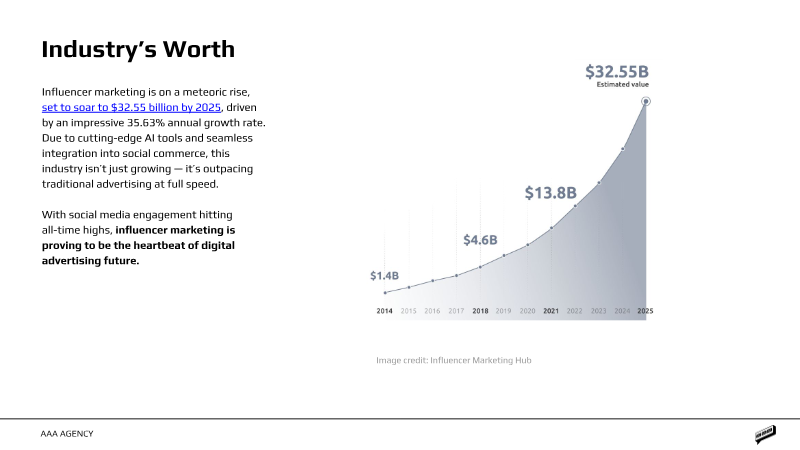
The influencer marketing landscape is undergoing a parallel transformation, projected to reach a valuation of $32.55 billion by 2025. Brands are moving away from broad, reach-based promotional tactics toward long-term, narrative-driven partnerships that prioritize authentic community engagement. This shift is supported by the rise of nano-influencers, who currently command engagement rates exceeding 10 percent on platforms like TikTok, and the integration of advanced AI tools for campaign management and data-driven targeting. The emergence of new streaming platforms, such as the rapid growth of Kick and the regional expansion of Chzzk, further underscores the need for multi-channel strategies.
Ultimately, the industry is defined by a strategic pivot toward cross-platform experiences and creative excellence. Success in this environment requires a balanced approach that leverages both established platforms like Steam and emerging social channels to foster lasting player loyalty. As studios and brands move toward more targeted, value-driven content, the integration of generative AI and the professionalization of the creator economy will remain central to sustaining growth and navigating the complexities of a global, multi-device gaming ecosystem.