Transcript
[Music] welcome to the novic gaming podcast where it is our mission to explore the business and future of video games we bring together the industry's brightest Builders investors and thinkers to keep a pulse on current events dissect emerging Trends and games share Lessons Learned and have a great time this podcast is also part of novic growing ecosystem which ranges from free and premium research to Consulting and AD advisory services for more information visit [Music] www.nic.edu games providing cuttingedge tooling for matchmaking crossplatform accounts server optimization liveops management player progression and Community engagement rally here is the one onstop
shop to streamline your development processes increase speed to Market and optimize your postlaunch live Services rally here Powers games that have been played by over 200 million Gamers worldwide across PC console and mobile including Smite paladins Rogue company and many others rally here's Founders were also among the first to embrace crossplatform free-to-play games meaning the rally here solution incorporates over a decade of hard one experience and learnings and live service games R here's partnership approach to customer relationships makes them a trusted and experienced co-pilot to help your team as you develop and operate your live service games so do you want to know how rally here can help you with your live service game if so simply head over to Rally here.g to learn more and schedule a demo again that is Rally here. so with that let's jump into the episode
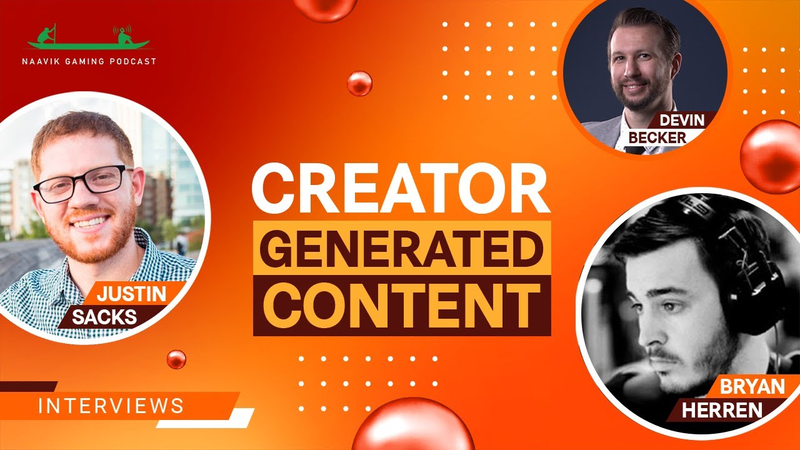
hello everyone I'm your host Devin Becker and today I'm delighted to be joined by Justin saaks the CEO of Nexus and Brian Heron the director of Partnerships at offbrand and Nexus is a turnkey solution for game creator programs and offbrand is a creative studio built by creators and today we're going to explore the potential for creators to lead content instead of just reacting to it so why don't we just start by just getting to know you guys a little bit uh Brian since you have not been on here before why don't you just tell us a little bit about uh your background and as well as how sort of off-brand like the origin story yeah absolutely so um I was very lucky to uh be a Esports commentator and analyst in the Dota 2 scene for a while um I joined a studio called Beyond The Summit in 2014 um at kind of the dawn of Esports really taking off uh worked there for quite a while and made some good relationships with some people that are at my current company offbrand um but but I worked there for a while
transitioned spent some time at um curse which was a twitch subsidiary at the time um was again very lucky to be on kind of the original founding team for D and D Beyond Which F was then acquired by Wizards at the coast um and then um continued a little bit of a journey into the game publishing realm where I did game publishing for um the last three years focusing on indie games um and then found myself back with uh kind of the old team uh after Beyond The Summit was acquired and and merged with offbrand uh to you know see what the future of Creator Le content looks like awesome what about yourself Justin yeah Brian and I had somewhat parallel experiences we had one brief intersection so I got started also in Esports as a competitive player and then eventually a content creator um at University I built a little coaching website for League of Legends and then I actually I also joined up with curse uh
this is in 2013 and I was with him up until the twitch acquisition and so I was running BISD at the time and then left to start building Nexus and basically we believed something that's maybe now very obvious and pertinent to this conversation that a lot of the way people learn about games get excited about games and stay engaged with games is based on that player's favorite content creators the personalities that they follow on YouTube or twitch or the Discord communities that they're part of um and so we wanted to build a platform that helped really connect game Publishers with content creators in an in a holistic and Evergreen Way um and that is now my life's purpose well uh definitely both of you coming at this from pretty different angles uh one interesting aspect though of offbrand is a my understanding is it's Creator owned as well as obviously Creator employed what difference do you think that makes in terms of how things work or like benefits to the creators things like that yeah I think for us sometimes frustratingly uh it means that our focus is is
on ensuring that the Creator feels good about what is being done and that we're never sacrificing Community for the sake of making money or aligning ourselves with something that doesn't work because in the current Creator economy your uh reputation your your trust in your community is absolutely everything and so it makes us be much more uh long-sighted in what we're looking at um we're not just building things to you know make sure that we have good quarterly Revenue uh even though good quarterly revenue is very important uh it's more about um ensuring that the creators that we're working with and the creators that have founded our company are there to stay and that everybody who has you know been on this journey with them as creators still wants to be on that Journey with them even though they've gotten big cool well both of you have uh obviously different relationships with creators but at the same time it it's most mostly revolves
around gaming what do you guys think and I'll start with you Justin it makes content creators actually important to gaming as opposed to sort of like you know people might have the perception that they're like leeching off of it or taking advantage of it how are they important to the ecosystem as a whole in almost innumerable ways um everything from Discovery so how do players learn about games a lot of the times their primary channel is actually through content creators where in the past it might have been news and reviews and uh and in the past even further than that from like physical events and things of that nature um beyond that of staying engaged with games how people learn about what's happening in Live service games what's coming up the reason for them to come back to it a lot of that comes from content creators um I think the value that a Creator can drive is even today sort of undiscovered the the the significance of that so like
understanding just how meaningful creators can be to A Game's uh longevity is really challenging so like do do those creators engage players that otherwise wouldn't stay engaged do they drive incremental sales that wouldn't otherwise have happened I think a lot of that is happening in a way that we don't have the current attribution tools or at least they're not widespread for Publishers to understand um but creators are like the meaningful way and I think it's almost unique to gaming in that fashion um I think if you look to the other entertainment verticals whether that's books or television and M movies or it's music a lot of the times there's these giant publisher houses that pop up that create all the content and so like a musician has to be signed to them but because gaming has been so distributed um it's be it's created a lot of challenges around Discovery um like if you could choose for a game to be either you know if you could put a 100 stat points into either Discovery or into quality I think pretty much every
publisher would put them into discovery of like how do you actually reach the audience that'll be interested and creators are you know the main thrust of doing so in our industry yeah I mean like 50 games are released on Steam every day it's Discovery is so important well I mean I I and this is one of those questions that I feel like it's kind of a dumb question but I don't hear it asked really often and I I would love to hear you guys' take on and we'll start with you Brian is uh why should like these content creators exist outside of the game companies and the Publishers and stuff as opposed to uh you know publish obviously uh you know games have usually Community managers right but they don't necessarily always have content creators why why don't game developers themselves have this content creation happening from the inside that isn't necessarily from the marketing department so much as something similar to what we're seeing externally but focused you know like Nintendo Power was a good example of like a first-party magazine that was you know like a Content creation that was didn't didn't
didn't pretend to be completely unbiased but was still enjoyable right right I think it it it depends on kind of your resources right if you're a AAA game Studio you probably have the ability to do it um in terms of just like the money required to get really large creators kind of on your side um but as an indie developer um not only do you have you struggle with Discovery already but you just you struggle with the ability to get a large content creator on your side um these creators are you know for lack of a better word like sometimes kind of stuck and changeed to what the trends are and can't always take a bet on a new title or a new thing and so I think what's important is these companies that are spinning up and trying to make sure that they are getting in at the ground floor and getting creators involved early so that they're invested in the full process versus you know being one of you know 20 games that are just sending a key to a Creator's inbox and
hoping and praying that they pick up the game and play it I think one thing to add to that a trend that that is worth observing is that we have seen some studios bring creators in house but it's usually not in exactly the way they you're talking about like one of the most common if not the most common graduation for a content creator when they sort of are um they're past their Apex they're starting to lose followers followership or they don't want to stay in that content treadmill anymore is they actually move into community and influencer management and a lot of times that does mean internal to Studios and we've actually seen the games that do do that successfully where they bring creators inh house have actually performed incredibly well like it's way more likely that they're going to have the right Creator strategy that they're going to have the right Community strategy that their General marketing 10 poles and their General marketing beats will be able to include creators in a way that is beneficial to the game and
to their Community it's way more likely to be successful if they actually have that Creator expertise and background in house and so we've seen some of that now how do we professionalize that how do we get that to spread more into the industry that's challenging I think it's not really clear like most of the folks that have followed that path who've graduated from being a full-time content creator to going inhouse at Studios they kind of had to do it themselves they had to figure out how did they Network into those Studios how did they convince the right EP GM of the game in order to make that happen but laying down more of those tracks for folks to follow I think that's a thing I'd like to see the industry move in that direction yeah it makes me think of um Marvel snap eventually when they started releasing the developer updates uh which are kind of these cheesy almost like uh movie referencing things started incorporating some of the more popular content creators into those actual videos like you know as as pseudo actors and things like that which is yeah we shot a lot of those ads at off brand yeah it's it's definitely something that I think is uh obviously as you mentioned
probably a good Trend but Brian do do you have some good examples then of content creators taking like a more influential role in the game development or live Ops outside of just promoting the game yeah I think there's a couple of angles there I think you have I think the simplest one is and so far the most successful version of this is what Dunkey has been able to do with animal well I mean obviously you know recent uh and has it did really really well but donkey was someone that said hey I've been very successful I want to kind of give back for you know to the industry that has made me very successful I love video games and I what I want to do is find something that I think is going to be great lend them my Capital both social and Fiat uh and also uh work to make sure that this game that I think is great is successful and animal whale is a game that I think we've all agreed and agreed and can all see is a very successful and really well respected and
reviewed game but maybe it needed the spotlight the Dunkey was able to shine on it right so I think that's a that's a huge aspect of it once again to go back to what I said 50 games released on Steam every single day Discovery is super important but then but I think other than that aspect Dunkey even himself said I'm not very involved in this project I'm not I'm not giving feedback I'm not reviewing uh builds of the game I'm going to support it and be more of a curator you know you think about like artist communes back in the day when people who were really successful would just bring in people whose work they loved and said hey make stuff and I'll give you the the support and the area to make that um and then I think you have um groups like bad mushroom who are taking a more like Hands-On approach where um you know I've talked to creators I'm in La I'm based in LA with a lot of creators um I talked with um a Creator will nef recently who went down to Austin and was
like oh I got to play all these games and give all this feedback and work with this team about like how to make the game better um and I and I think that's a really exciting angle too which is if you know your game is going to rely upon creators engaging with it you need their feedback early so that you can make your game work for that environment and keep get feedback for them so I think I think there's a couple angles to go about it um and Mad Mushroom and big mode Dunkey company are are both kind of good examples of how to do that at the moment ano well is such the perfect example of the developer put all a hundred of those stat points into quality and then leveraged a publisher through Dunkey to just be like okay well here's here's just another 100 stat points and we can just put them all into distribution and a game that so like tragically could have been overlooked wasn't and now it's known by so many people who fallen in love with and spread it to their friends and I
think like it's such a great example of the magic of combining creators with game development so then you you guys think in general that it makes sense for Content creators at least some of the time to have some influential role in game development and and I think uh you know at least the content and and I as to say from the perspective of maybe them knowing a specific demographic or audience that they have if that makes sense to be building for that particular audience things like that for especially for games that might a little more Niche for example do do you guys think it makes a lot of sense there so to illustrate like where it makes sense I think it's worth talking about where it doesn't um where it doesn't make sense there are some games that today aren't the best fit for Content creators and like the best way for me to describe it is the gradient of core to hyper casual and the closer you are to hyper casual the less of a a natural fit it is for Content creators and I think on the other side the more inorganic the relationship is between the Creator and the studio or the Creator and the publisher the more like contrived or
inauthentic it is the less likely it it will be to succeed and so like deciding like listening to this podcast you know you're some head of publishing uh at a publisher you listen to this podcast and you're like oh my God we need creators to give us their feedback who's right now in the top five on Twitch don't care what genre that they're in don't care what community they're in let's get them in to tell us what they think it's going to be hard for that to work but if you flip that and like the more organic and the more authentic and the more like obviously connected the Creator will be with that genre or that game or that comparables the way more likely it'll be successful and I think there's there's also really great ways to go about it where you bring in you know a handful of creators early in to give feedback during development and then you identify who's going to be those Lighthouse creators who's going to be the ones that other creators will rally around that this individual will fall in love with our game and will bring it not just to Their audience but bring it to other creators and then have that person tied closely with development that can work
really well but if you're just like last minute game's about to come out hey come and take a look at this tour the studio give us your thoughts that's going to be tough yeah I'd agree with that and it Justin's point was 100% correct and what you have to also think about is not only is it important that the Creator is aligned with the game Their audience is also as a result of that going to be aligned with that right so if you take a a huge FBS creator even if they oh they were like oh yeah secretly I love this Rog likee game that you're making but they never play Rog likes on stream it's like well half of the power of bringing the Creator on board is lost because their audience doesn't care um so it's you have to think about both the Creator and and the audience that they've curated well then that brings me to another question which is just the general thoughts you guys have on working with like a spectrum of content creators uh from those that are focused on just a single game or single Le genre to those that are just like multi-game
players and things like that they're also often very influential in Discovery because they're bouncing from game to game and it's kind of hard to get Discovery from someone that's focused on one game right if that's not your game so like what are your guys' general thoughts on that spectrum and how that should must be utilized kind of I guess more detailed than you just gave on that topic basically it I like overly simplistic uh and probably reductive like framework or her I sck to think about it is the larger and more variety given a Creator is the better they're going to be for awareness and the more focused and Nisha and like one game focused a Creator is the better they're going to be for conversion and so it depends on what you're trying to get if you're trying to get people to buy the game and stick within it you know you want people that are you know their vend diagram of them and Their audience is like more closely aligned in the middle but if you're just like hey our game's been out for a while and we need other audiences to engage with it we need to get a lot of feedback from a lot of
different perspectives then going towards those variety content creators that play a bunch of different games that can be valuable and so depends which is kind of you know not a great answer well yeah I think it's like you just have to be smart you have to think about what your game is um if your game is I mean so much of game marketing nowadays both in a good and bad way can be hey it's like X thing you love but with why difference right and so if you can't identify that you're a game that's like that then getting creators where Their audience and their content is about X and bringing those folks in and being like Oh well I really love what they did with why that's really powerful right that's very powerful but if you're a game that's trying something new or is a very unique kind of thing then going for more of a variety spread is probably the best option what one thing to add as well is it's not just about launching a new game but if your game's been out for a long period of time it's a live service game it's been out for months or years or whatever it might be the
initial thought of most marketing teams is okay we're going to do a let's deploy this Creator strategy we need to reach out to creators that have never played our game you can do that and that's okay but make sure you pay attention to your organic creators and also and maybe even especially your churned creators the creators that used to play the title cuz one of the metrics that people Overlook a lot of the time is your most engaged players the best the single best thing you can do to retain those players longer than what they normally would and they're they're the cohort you most care about is by caring about the creators that they watch and so it's super easy and maybe even intuitive to think your game's been out for three years you have you know these three Dozen organic creators that play it every day or every week let's not go to them we're not going to give them any money we're not give them any special items we're going give them any attention we're going to go to all these people who've never played our game because that's going to reach a new audience maybe but for sure what you should do is pay attention to
your core they do matter cool that makes a lot of sense I think that's some good framework for thinking about which end of the spectrum to go for and a lot of times it sounds like depends on where you are in the phase of marketing which makes sense right like as well as how you're trying to Target demographic I do do wonder how difficult it is for uh new genres or like games that are just kind of out there to go obviously there are maybe just streamers that generally play games that are out there and you kind of Target them as sort of their their non genre genre basically sort of The Eclectic group uh so makes for an interesting marketing strategy obviously one that it seems like becoming a little bit more necessary uh which of course is great for you both but uh as well as content creators and I think sort of spreading things out but when it comes to being more involved in the game development part of things uh you know if they start to become more of that content creators generally at least my perception is that they generally focus a bit more on the entertainment side of things right they're they I mean they're playing games obviously they have might have some skill uh you know in gaming like maybe coming from an Esports
background things like that but they're generally focused more on the entertainment side of things uh game development itself is unfortunately very technical and also a financial thing so how does that gel when it comes to Bringing content creators in uh to more to be more involved because you'll get them like you know maybe complaining if they're not part of it like publicly about like why don't they just add this it's so simple you know that kind of mental the sort of the Reddit whining mentality but you know with content creators they don't necessarily know do you guys you you know take some time to educate do is there like sort of a process for that or how do you think about that Brian I I think it's important for hey if you're if you're going to be a Creator who is looking at publishing to surround yourself with people that can help bridge that communication gap right that have the skills to be able to communicate to you why certain thing wouldn't be possible I mean it's not a new thing in the world of consumer goods to have a Creator put their name on a
very complicated product to make whether it's Ryan Reynolds making Jin or Kylie Jenner making Cosmetics um I don't think you could ask Ryan Reynold how to distill an alcohol and have any idea what that process looks like right and so it's very maybe he does who knows maybe he spend some time um but I think at the end of the day it's about a the respect of like understanding that it's a craft it's very difficult and surrounding yourself with people who are going to like kind of help facilitate that and then understand where you were valuable in my experience I think there's this probably pretty negative connotation that creators are going to come in and think that they're you know the best thing that's ever existed and have a lot of hotess and a lot of ego and in my experience that's not really true a lot of the creators because they've spent a lot of time with games understand how difficult it is and will provide their feedback and understand that um you know it's up to their teams and up to the people that they're working with to implement that feedback back and if it's not doable it's not
doable but to stay in their Lane in the important aspects but also give their feedback and see where where their feedback can be made into change is appropriate the only thing to add because I think that's perfectly said is if you're going to invite creators into this process only do it if you're actually going to listen to them um this like to do it performative or to do it because you think you're building a better relationship so they'll market your game for free that's not going to work really great for you but they will have something to offer and so it's it's worth reaching out as long as you're ready to listen so guess on that topic one of the things I've I've personally even run into as a game developer is uh you know one of like a lot of times there's this sort of hostility from some parts of the the game playing audience especially in freeo playay and things like that where they just don't understand a lot of the stuff happening internally and they they make the the game developers out to be these maniacal Mr Monopoly villains which is generally not true most game developers are usually like want to make a great game they they actually want everyone to be
really happy and there's this this sort of thing where when you bring some people on like influencers or player counsels or whatever it is and explain to them like this is why this is this this show them provide a lot of transparency to this particular person that you can't necessarily provide to the whole audience because of for whatever reason you just can't show all this stuff to everyone uh and then sort of have them be a bit more of your Advocate uh sometimes then there's this perception that they're an employee of the uh you know developer and they're not being they're being biased and all that sort of thing and then like you actually lose the influence of that influencer because now all of a sudden Their audience doesn't see them as authentic or sees what or assumes that they're censored in some way because sometimes that does go around right where creators can't say certain things how do you handle that situation Brian like in terms of making it so that that authenticity matters and stays and that when they speak like like to the benefit of the publisher or developer that it
actually translates to that audience I think this is quite literally the hardest part of this uh which is uh the the sword that creators wield is their Community power and that is empowered by their Community trusting them right and so it's a Creator cannot be willy-nilly with their stamp of approval or the projects that they work on um you know if if if I could tell you every game that was going to be good the month before it released I would I would make a I'd be a lot richer than I am right now so it's obviously not possible to know ahead of time like how a product is going to be received right you know there are much bigger funded corporations making movies and they still don't know when their movie is going to flop right uh rather than indie games but I think it's really about making sure that you're aligned with a product that you believe in in a product that you trust and even if it flops financially it is at least still treating the customers well and the
consumers well and Their audience well and that's what maintains that good will between the Creator and Their audience I think it's much more about maintaining a trust aspect of I'm not sending you off a cliff to this game that's going to be um predatory with its microtransactions or business model than it is necessarily like always putting your name on a banger I think that's the thing that's really really important um and then aside from that it's just it's it's about just being honest about your integration into these things so if you are paid saying that you're paid if you're the publisher behind it saying that you're the publisher behind it so that your audience feels like they're being talked to as like an adult and as an equal instead of feeling like they're being hidden and speak to like we all saw the the the crypto rug pools of the last decade where you know the the whole aspect of it was that the Creator was
not forthcoming with how involved they were in the process and that's what caused the very predatory consumer Community Creator triangle to get really bad so avoiding that as much as possible is the way to keep that uh solid I mean how do you admit being paid and still manage to convince the audience that you are not being biased or maybe that you are being biased but the because of this particular reason this is how you genuinely feel and sort of overcome that that because even if you admit you are being paid there is St still going to often be some belief that that is influencing your judgment or that you might be and it it might genuinely actually be causing some you know judgment shifts and things like that how do you communicate that will to the audience so that you guys can move past that and the best thing that I've seen in like through data is that first audiences fans desperately want to support their favorite content creator
the more transparent and direct the Creator is the better promotion actually turns out if the Creator says hey these folks paid me if you buy this thing it helps me out that will perform much better than them being like isn't this game neat don't you guys think this is a cool title like it it just is better if they're if they're really upfront about it and so you know that's uncomfortable and frankly it's particularly uncomfortable in live streaming because you can see in real time the feedback that your fans are giving and no you know twitch has much more engineered culture of like uh anti-c commercialization and so like it's just harder when you see people like shill question mark and like they're kind of trolling you as you're promoting something but it works way better when you're just really upfront and direct about it and so the more comfortable and often the culprit here isn't actually the Creator but it's the game in a misguided attempt to you know Shield themselves from criticism they they give
you know very D direct uh uh deliverables that say hey don't say that you're paid or don't say you know what your opinion is just play it but like if you just let the Creator do their thing and be as upfront and direct as possible like it actually works out the best then and then how do you handle the situations where the the content creator is rightfully very critical of the game uh meaning like you know they're being really honest and forthcoming and and you've told them hey like we want you to be totally honest and forthcoming and they're just bashing the hell out of it because they're like say running into problems like live on stream yeah and it's like hey like this sucks what the hell guys and the developer is not in a position to be able to fix that anytime soon or anything is that where you just like bring them in and be like yo let's explain the situation you guys you can explain it to your audience so that like you could still keep that criticism but with these caveats I I mean correct me if I'm wrong here just I think these situations happen almost exclusively as a result of very shortsighted and late term Creator campaigns so it's like you
know your game's about to launch and all of a sudden the marketing agency is sending out rfps a month before launch to try to get creators on board to play a game whereas what we are all advocating for here both at offbrand and at Jance company is bringing creators in early so that they're part of the process so that you're shielding yourself against that negativity and so I mean that's not to say that like the final product could never be bad and that the Creator would never be in a situation to criticize some aspect of it but if the Creator is able to you know get access to the game early play it occasionally see some aspects of it be involved with it from a much earlier aspect of it and be involved in either the publishing of the game or the um business model of the game through a different way that's much less of a risk yeah it doesn't have to be a surprise if you communicate if you work with them ahead of time and they're like hey guys there's a lot of things wrong with this and it is bad then don't do the promotion yet just
wait until it's fixed or in a better place and so yeah I think um thinking about Creator strategy like Day Zero matters and then like building the plan working on the plan engaging with creators before you need them to promote something like then you're going to avoid these situations um and maybe the decision is like they play the game and they're not having a great time or there's some feature that's not inut so that they're not able to like actually be able to create the right content around it and then you say hey now is not the time to do a big creater push wait until those things are in a better place or you know the game's in the right spot in order to make make you know take advantage of the resources that you've deployed I think that makes total sense like that's I one of those things that I guess sounds kind of obvious like don't have them promote it when it's not going to be good promotion right I he kind kind of sums it up like make sure they're involved early enough that nothing's a surprise in that case
so yeah that makes sense one of the challenges uh like the another way to avoid this is to empower the people internal to your internal to the publishing organization that deal with creators and Community if you just treat them as an afterthought bad can happen but if they are part like they have a real seat at the table and their voice is heard internally you're going to avoid all this sort of stuff cool makes sense uh just pivoting a little bit here you guys both have a background in Esports um so I'm kind of curious what benefit there might be to uh both from content creator perspective and from the game developer publisher perspective working with people that are current or former Esports competitors and you know sort of having that background uh when it comes to working with those games uh whether those be competitive titles looking to be orts or just games that are maybe slightly more on the competitive side of things yeah I would say for me it's about understanding that um you know creators that are involved in the stuff like they're very they're
very busy and there's a lot of emotional drainage that comes from streaming I mean we probably all saw the the controversy a couple of months back about how difficult of a job streaming is and I think we'll all agree that it's not as physically demanding as like you know being a minor in West Virginia but at the same time it can be very emotionally draining and difficult to be excited for something new or something different or the pay promotion that you're doing and I think as an orts broadcaster you kind of understand what six hours in front of a camera having to talk the whole time does to you um and what having to constantly be on does to you and having that empathy for the creators that you're working with to make sure that you're creating a program that works for them in their schedule I think that's the thing that's most important to me is like I can't say that i' anywhere as successful as a lot of the creators I'm working with but you know I've had to sit in a chair in bellus and have someone do my makeup and then go sit in front of a crowd and and talk for two hours I know how difficult
that is um and I understand a little bit of the struggle that they go through and then as a result of that experience I can help draft up an you know an integration that works with them and works for their schedule yeah uh I don't know how relevant this is but one of the things I always think about when it comes to Esports and game development is do not build a game Esports first build a game that is fun that a lot of people are playing and that has competitive elements and then think about orts um which is actually like that sounds like you should just do that for every potential system in a game but you can build a game creator first like that actually could work uh but Esports first not a thing um it only works if there's enough of a community that actually wants to play and watch a competitive version of the game and so and the best place that you can learn about that is is by people that have been in that world in the past and like seen where that doesn't happen well like when
people try to develop the gaming sports first or when when when folks are thinking about um how to extract as much value as they can out of their Esports Community like a lot of bad things can happen and so like it really needs to be more organic and and authentic than than you know contrived or than uh manufactured and you you both mentioned uh this idea of like content creators being involved in game development as opposed to the Esports part of things right where you know makes a little more sense there for them to have a say uh as opposed to the orts first part being just difficult to actually make happen um but I'm kind of curious outside of just the the the broader game sort of development scene where it's like you know double A to to AAA games or even indie games uh where do you see potential for Content creators to gain traction industry in the ugc side of things as that's been kind of a growing thing like obviously like let's say you're an influencer and you build a fortnite island um that sort of like ability to promote your own your own content uh Within These these platforms
as opposed to trying to build your own game right obviously like some like doc Dr disrespect trying to go build his own game not an easy thing there's a reason why that game's not still out yet right whereas developing a fortnite island might be something more reachable for example even you know if it's this maybe small team of people from his community stuff like that this is something I'm super excited about um and like I have a very personal example of this I mean frankly like my background is probably actually more in modding than it even is in orts like that's really like that like my passion that was curs baby like right right right sure for sure mine was in like Starcraft and Warcraft 3 and you know Etc but yes um but even uh more recently with Nexus so one of our creator program Partners is an amazing game called Bloons Tower Defense 6 probably most of the people listening this have heard of Bloons but they just recently launched um a basically like a player reward system around Yugi so there's a way for you to create your own Maps now in balloons and
now as a player Creator there's a way to receive basically Revenue share when players enjoy your map and then there's on top of that a system with Creator um with content creators so instead of player creators but content creators when they promote Maps they also get it and so like it creates this like really beautiful incentive structure where content creators are promoting player creators and then also content creators are becoming those actual player creators themselves and like we you know we like fortnite is is certainly doing an amazing job but like Roblox has done an absolutely incredible job here where like Roblox has so many experiences which is like what their mini games are called so many experiences that are not just uh promoted through content creators but actually been developed by them and I think like that collaboration between content creator and player Creator is something we're going to see so much more of from any of these games that are that can act as platforms where there is some map or mode or build or
mod or whatever that can be built within it we're going to see this like almost uh gradient of player Creator to content creator and back and like how that feeds on to each other and I think any of the games that engage in those systems will see so much longevity to their internal platforms yeah I think too I mean we're talking about the two like the unfairly bifurcated idea of what a Creator can be either one game or variety which is unfair but kind of true a on a macro sense it's the one way that like a one game creator can really extend their life cycle as a Creator which is I'm a fortnite streamer I'm a Minecraft streamer or I'm a Roblox streamer or I am a GTA 5 streamer it's like ugc is how they can make their career go longer and so they are very invested in making sure that there is consistently content for the game that audience expects from them because it's very difficult to make that
transition from being the fortnite streamer to being a variety streamer for example and so uh if you are a game that is able to be successful enough to have dedicated creators that are making content for your game it is in your best interest to create ugc that creators can engage with because they also have it in their best interest to support it makes sense although I imagine like content creators are often a lot busier than what you see right because all the the the 10 minutes of foot footage you get on a YouTube video probably took hours for them to actually put together and so I could imagine like the in the situations where they're trying to also create you see content it probably does come down to having a lot of help either from maybe even the game developer or or platform developer or from like you know fans or other content creators that they partner with or you things like that sort of build up like like mod teams as you're probably familiar with Justin coming from the moding scene 100% but also uh the act of creating that in-game content becomes their actual like content like
public content that they're putting out like hey watch me develop this map like live streaming them building why are they play it or they play it with you right exactly it's uh it is it is a really really really nice cycle and flywheel yeah and I bringing up this question to because you guys are talking about discoverability and that's a problem that's obviously developed over time in Roblox and if ugc does gain more traction across more platforms then it becomes a new a brand new problem for a brand new platform which is just Discovery being insane on there because it's like there's going to be a ton of like like when the App Store first started tur into gold rush and everyone could release whatever they wanted obviously there was a lot of garbage there and I imagine there will be the same with ugc platforms so it does seem like that would be a big help to have like content creators as part of that there should be depending on when this is released a really cool partnership that we're doing in one of these platforms exactly about this topic um that I'm very excited to see what happens and it's
around content creators building stuff inside of these games and then what are the systems that benefit them and their audiences and the game itself awesome definitely sounds like something uh epic should be doing if they're not already just because they're you know going up against Roblox and trying to get traction for ufn and seems like a great way to do it they already have like really big streamers that came from fortnite and stuff so plenty of options there I imagine uh but like shifting a little bit outside of just games themselves uh trans media has become a big topic right where obviously there's been sort of a Resurgence or Renaissance of doing content especially movies and TV from video games that have actually been successful as opposed to being sort of the uh the 90s era like just dump out stuff that's hopefully relevant culturally and generally flops um what role do you see content creators maybe even having as part of TR me not necessarily just for movies and TV maybe for Comics maybe for like web comics maybe for just lots of things in terms of like how involved they might be in
that or like even like little cameos where they show up and like oh it's that guy like you know you see someone like oh hey it's Matt Pat and the you know Five Nights at Freddy movie or whatever it was like those little those little roles that like also can bring maybe the audience over things like that it's so funny because I saw I I was on vacation for Memorial Day with friends and the Oregon desert and a friend that I know doesn't play games had sapnap cheese hits and I was like do you even know who sapnap is he's like no I was like okay well wow Minecraft streamer big big guy and you're like he's like Oh I thought I just thought this was anime guy on the side of my cheit um I I do think it's trans media is very interesting in that way because I think that's actually a very I bring that up because I think it's a relevant case it's like we don't really understand that like the micro celebrity of even the biggest creators in our space like even the biggest gaming creators are still just such a small slice of the pie and like the global
audience's awareness like the reason why movie stars are movie stars is because Brad Pit can be in a movie and increase the box office just from them being included in the movie I do not think that's the case with gaming creators because gaming creators have much more of a niche um you can't just put Dr disrespect on the front of a video game you can't put Will Smith on a zombie video game and it's so well turns out we just saw that this year um and so I think as a result it means that the way that you have to integrate creators once again as we've been talking about before has to be holistic but I do think it's fun to have creators be involved in voice acting or have a role to play I just don't think it's as integral to the success as having them involved in activating their owned communities versus being part of like the broader like strategy it's just a different situation we've seen some of this um you know like there was a bunch of twitch streamers and I think it was free guy was was the movie a few years ago um I think very recently was it like two
weeks ago kaai sonat was in a drake Dis Track um and so like there is some of that you know instead of gaming intersecting with pop culture gaming becoming pop culture um I think it's a trend but it's not here today uh but I you know for me it's undoubtedly the future that gaming it will get there for be tomorrow's celebrities for sure yeah well I guess we'll keep a lookout for those for those cameos or Easter eggs in the meantime right as they slowly creep up and become more common but like you said I think it's a good way to put it is that it's more just the shift of gaming into culture than trying to jam it in manually right it's just becoming it which which makes a lot of sense I think as people shift towards something like Tik Tok versus going to the movies or watching TV that that whoever's popular there shifts over to what people consume just in general right I mean I don't think we'll see them on the like a wedi box or any anything you know anytime soon but you never know right it's it's definitely I
didn't expect to see sapnap cheit this weekend but I saw exactly you know you see the Mr Beast food everywhere and all that stuff too it's just it's definitely happening uh you know albeit slowly but uh you know it's definitely uh risky to do as you said just because the the cultural elevance may not be there yet but in in terms of risks and things like that you know we've talked a lot about the positive sides of this Creator culture things like that what do you think are the biggest risks and challenges of content creators being in involved just more deeply in games in general uh so a lot of what I spoke about before it's like uh your your entire you know well-being in your career as a Creator is based on trust with your audience so like you have to make sure that what you're putting your name on is a good product um and so the biggest risk is these creators getting involved in this holistic program where they're bought in they're early they believe in the product they think it's great and it releases and there's some drama or some issue where they're reputation is on the line as a result I
think a pretty good example about this about creators would be U and somewhat unfairly so but it's the best one that's in my brain right now is um believe it was valky did like the blue light contact lenses which I think is a fine product or blue light makeup maybe where it's like the blue light from your screen is supposed to affect it differently there wasn't a whole lot of science behind it she probably believed in the product and thought it was great but once it was released people were like this isn't science this is bad and kind of revolted against it and she had kind of do a little bit PR damage control and deal with it that's a big risk as a Creator that's a big risk for the brand that decides to get involved with the Creator so I think you have to be really confident in the product that you have to integrate a Creator in early um and feel really strong about it and make sure that the business model that you have is very consumer friendly um and if and the consumer friendly aspect about it doesn't mean you have to like make everything free it just means you have to set expectations up front about what the consumer is going to get right
set expectations up front set expectations early and be honest about what your business model is and that'll avoid a lot of the risks here yeah I think I mean at the end of the day um the difference is you don't own the Creator's content you're not deciding what they do and you can't and you won't it is not a marketing campaign where you it is your owned creative and you can do whatever you want with it like when you work with creators the only way it can work is if you give them the the freedom and the the distance and the time that they can make the content that they want to make and that comes inherently with its own risks and also one of the the risks that people need to understand is that you also don't own can't control the future like if something happens to that Creator in the future you know and they come they're part of some controversy like you can't erase that they were part of your you know your experience ER your game your partnership in the past and you have to acknowledge
that and be okay with that and like I think like wholeheartedly and very confidently there's so much more upsides than there is potential downside and risk that you should always take that bet but you have to go in eyes wide open to that and and frankly like where we've seen the best things happen is when people Embrace that when they're like okay I don't know you know I'm not going to control what content they make and so I'm going to give them as much latitude as they need to make the things that they're comfortable with that's what turns into the best product but also like you have to be comfortable that it might not be the thing that you wanted yeah I got to imagine there's that inherent risk that suddenly like a week later they come out with some Neo-Nazi video or something and then you're just like well yeah now I'm associated with that what can I do and and being prepared for that that level of damage control yourself as a as a game developer that you're just going to have to be okay that that could happen I think most audiences today are aware of that situation because we've seen it so much and that if you do the correct steps to distance yourself no one's going to hold it against you exactly yeah people aren't it is I can't imagine a situation where
you're working with dozens hundreds thousands of individual content creators and one of them is embroiled in something awful or negative and then people are like oh that just means that product I guess has the same beliefs and values like that's like the the general public in audience is aware enough and mature enough that they can see that distance um now they 100% will go to you and be like hey do you support this person in their beliefs and you have to be ready to respond to that but they're but once you respond they're not going to be like oh they're lying they're still supporting them like if you cut that person off if you remove them from the program if you take them whatever it is they're going to be like okay you've taken the steps and and we acknowledge that but also note you're never going to have to do that when it's your own creative or it's so you know not never it's very less likely you're going to have to do it and so again there are those inherent risks but if you acknowledge that there's enough upside and enough potential and reward Awards like I think it's worth it well hopefully that doesn't happen too often
I know we're kind of in in the midst of a of a bit of a cancel culture war that happens and that definitely can even come from just accusations and not always necessarily you know something that truly happened but definitely hopefully doesn't set the industry back at all in that sense yeah I would I would say to that I would say to that point like as a brand it's like it's not your job to to to be that and so no one is owed a sponsorship no and is owed a collaboration and so like if you're a brand and you see accusations happen like I think there's a lot of times where you might want to try to defend the person or stick with them I think as a brand you well within your rights to just say hey this is getting too hot for us we're not at Apple at court we're going to step back figure it out I think that that's the right play I don't think there's a whole lot to be to to be gained from trying to go a bat from somebody for something like that it's best to just just kind of like step away and remove yourself from the situation
and let things go versus getting into kind of a conflict about it for sure for sure that brings up another question actually just realiz you know we talk a lot about the creators themselves being transparent about sponsorship but what about the side of game developers being transparent about who they're sponsoring because I don't feel like we really ever see that we don't see them you know you you'll see like the way people put PR like featured in this magazine or this magazine but you don't see people broadcasting like we're featur feed by this content creator and this content creator other websites generally and that might not always be true but I don't feel like game developers generally are very forthcoming about who they're having as their promotional channel so to speak they should uh it would be beneficial for them to do so uh to be like hey look what this Creator said if you like this Creator you might like our game like that's almost like a table stake sort of thing um and sometimes the tools aren't really easy like that's where it can be helpful to have the right tools and Partnerships and platforms that you can um collate all of
those Creator content and be like hey all if you before you want to really deeply engage with our game you want to see what other people think about it like here's a bunch of the creators that we've worked with or here's a bunch of the you know people that have made content for us and you can go check it out I think that's definitely a great idea for a developer to do I mean I definitely have seen like you know I think brawl star for example will have links to sometimes YouTubes of you know there some of their content creators if it's content they want to feature maybe that seems like a good way to go about it as well is to make sure that there's that semiotic relationship where the content created by the content creator is something that the developer would want to feature and therefore like it works you know both ways for them promoting each other well not to be biased but this is like the core of what a Creator program is all about is like how do you have this bir directional incentive where the content creator wants to make content because the game will promote it and the game wants a content creator because the Creator is
going to promote it and like that's what a Creator program does awesome well just just I know we've already covered a lot of it so you might not even have a ton to add here but just what are your guys's General thoughts on kind of the future of the game industry from the perspective of both like amateur and professional content creator involvement like where where do we go from here like we've obviously got a lot of stuff going on and we've touched a little bit on some different possible Futures anything else you guys want to cover that that that's interesting or you're seeing or just predictions I mean I think just based on what we said it's like you know Discovery is the number one issue for for games and content creators are a extremely valid and Powerful Avenue to increase your Discovery and visibility so I don't think it this is I don't think this is a trend that goes away anytime soon I think we're going to see more creators involved in it um in the same way that you see you know athletes Michael Jordan goes and buys a basketball team and is involved in the process because he know what it is it gave him a lot of money and he wants to reinvest that and be involved in the
process creators who have been making their living on video games want to use their privilege and the money that they've made in reinvesting in the projects and have a functional way of actually adding value Beyond just a suit with money right and so if I'm a developer I'm excited about a Creator investing in my game I feel like that's a double whammy not only do I get the the money or the support that a publisher would provide but I get the marketing angles and so I think it's a it's a market kind of situation where the market desires these creators if you're a developer um and so I think we we will continue to see more and more of it until either Publishers get better at marketing and Discovery or creators get worse at it yeah I agree I think two and a two and a half trends for the future I think one great example of Dunkey and animal well we're going to see more and more deep involvement with ERS around development and Publishing um and then two and a half I think we're going to
see more of the um like Revenue Channel makeup of a Creator be Commerce be the actual sales that they're driving of in within games and I think similarly the half on top of that is what we talked about with player creators I think what we're seeing with uef and what we've seen with Roblox I think that's going to continue to to happen for any games that can support it it's just it is such a great flywheel when it's working um and so I think both of both of those things are going to continue into the future well speaking of the future then uh I I want to know what the future looks like for both you guys in terms of offbrand and Nexus and we'll start with offbrand what do you guys have in store for us well uh we have a really exciting uh opportunity uh that we're going to be well not an opportunity we're something that we're doing um very shortly so um you know we recently announced that uh we are spinning up offbrand games which is a publishing vertical underneath the offbrand arm um we signed our first game
in Rivals 2 which is a platform fighter sequel to Rivals of ether which is a very successful uh Fighter um so you know a lot of the things I'm talking about here I believe in them fully because we're doing it um you know building and creators bu building Creator programs getting them involved early in the process to publish really exciting games is something that we are looking to do at offbrand games um we also recently announced the fact that we are bringing on U pirate software onto our um our team he's going to be our director of strategy um for off-brand game so continuing to build that Creator uh pipeline of supporting and building out really great indie games that we believe in and you know that's that's our ethos moving forward is we want to find creators and developers that we believe in you know at offbrand kind of our DNA was we love creators we are founded by creators we want to support creators in making the best possible content that they can and we
think developers are creators too right they are making their own content they're making their own games they're very similar in what they're doing to what a YouTube Creator or a twitch streamer is doing and we can take a lot of what we've learned from supporting creators and apply it to developers and make sure that they are as successful as possible so we're really excited about that at offbrand and uh can't wait to see what the future holds you should be excited that is so exciting um it's going to be awesome um Nexus is uh straightforward we think every single live service game in the future should and will have a Creator program but they shouldn't have to build it themselves and so we want Nexus to be the third party platform for any of those games to help build and manage their creator program a way for them to partner directly with content creators in a holistic and Evergreen fashion we want to make it so that each of these games can have a truly worldclass creator program that is the right program for their game and their community and so that's all that we do
is build the tools and the systems and the ecosystem to power that for all of our publisher and developer Partners awesome I want to thank you both for coming on today I think there's a lot of interesting stuff in the future obviously hopefully you guys both find success there in terms of helping bolster this whole Community because it's it's one of those things that's like growing but needs a lot of I think shepherding to go the right direction so hope you guys are able to be part of that um definitely appreciate you guys taking the time to talk today and I think uh looking forward to uh whatever you guys have in store for the rest of the year in the me time I also want to thank the listeners for you guys tuning in and hey if there's any content creators involved with using this content too you know it' be great but uh thanks thanks everyone and we look forward to seeing you guys on the next interview if you enjoyed today's episode whether on YouTube or your favorite podcast app make sure to like subscribe comment or give a fstar review and and if you want to reach out or provide feedback shoot us a note at podcast nov.
or find us on Twitter and Linkedin plus if you want to learn more about what navic has to offer make sure to check out our website www.nic.edu and advisory Services again that is [Music] www.nic.edu next episode
Auto-generated captions from YouTube — names and numbers may be misheard.















Comments