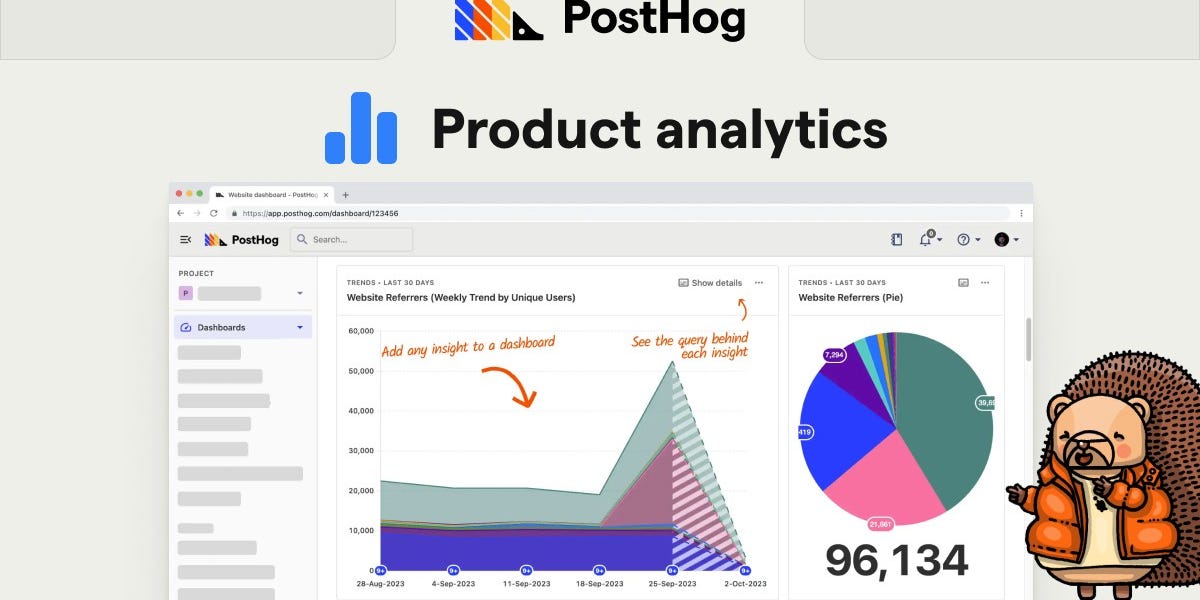
The game analytics landscape is undergoing a fundamental transition as studios move away from rigid, vendor-locked software development kits toward warehouse-native architectures. This shift is driven by a need for greater cost control, technical flexibility, and real-time data access. By adopting modern, usage-based platforms, developers can avoid the significant technical debt and unpredictable expenses historically associated with legacy analytics infrastructure. This evolution reflects a broader industry trend toward scalable, transparent data stacks that prioritize agility during the volatile periods surrounding game launches.
While enterprise-grade solutions like Snowflake provide extensive customization and robust compliance, they remain cost-prohibitive for the vast majority of studios, often requiring prohibitive monthly commitments and substantial engineering overhead. Consequently, the optimal analytics strategy depends on a studio’s core operational focus. Marketing-first organizations may still find value in integrated customer relationship management platforms, whereas data-first studios benefit most from flexible, warehouse-native tools that allow for granular control over data pipelines.
Ultimately, the most effective approach involves bypassing restrictive, long-term contract negotiations in favor of pay-as-you-go models. By prioritizing cost-efficiency and avoiding financial lock-in, studios can maintain the operational freedom necessary to adapt to changing market conditions. This strategic pivot toward modular, transparent analytics infrastructure serves as the new standard for modern game development, ensuring that data-driven insights remain accessible without compromising the financial health of the studio.

GameMakers · 2026
GameMakers · 2026

GameMakers · 2026

GameMakers · 2026

GameMakers · 2026

GameMakers · 2026

GameMakers · 2026

GameMakers · 2026

GameMakers · 2025
GameMakers · 2025

GameMakers · 2025

GameMakers · 2025

Metaplay · 2024
Unity · 2023
GREE
GungHo Online Entertainment
GREE
GREE
GREE
Competition · 2026
Bryter · 2026

Almedia · 2026
GameAnalytics · 2026
Poki · 2026