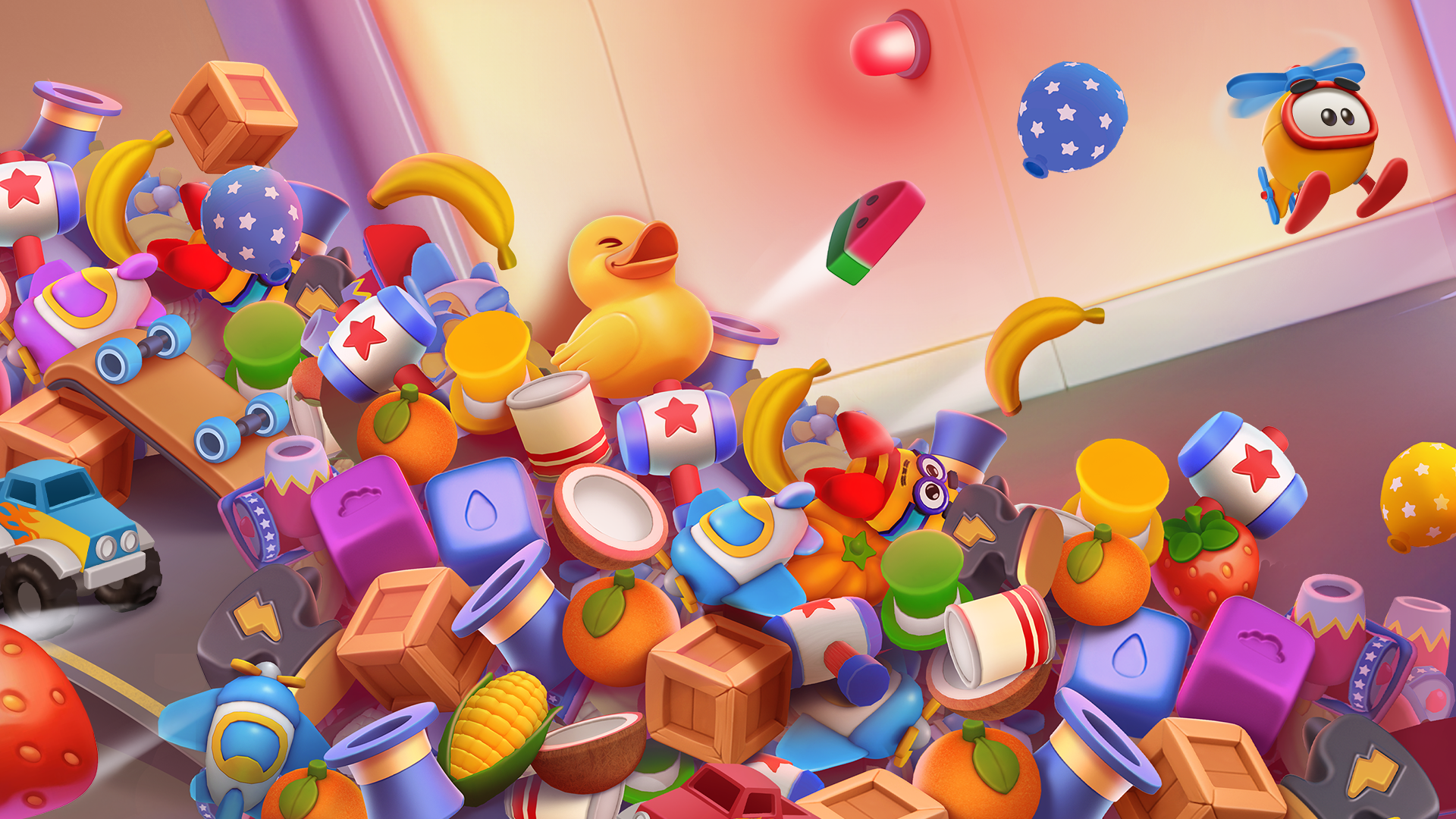
The Match 3D subgenre has evolved from a hypercasual novelty into a significant casual puzzle category, generating over $1 billion in in-app purchase (IAP) revenue. The market is currently characterized by a duopoly, with Triple Match 3D and Match Factory accounting for approximately 70% of total IAP earnings. This analysis examines the transition of the mechanic from its origins as a simple, timer-based hypercasual toy to a sophisticated casual puzzle experience defined by strategic depth and long-term retention.
The subgenre’s development is marked by three distinct phases. Initially, the original Match 3D title established the core tactile loop of clearing cluttered 3D piles. Subsequently, Triple Match 3D transformed the category by introducing tap-based controls and a multi-slot dock system, shifting the primary challenge from time-based pressure to spatial management. Finally, Match Factory achieved market dominance by applying high-level production values and refined, authored level design, which created a more cohesive progression funnel compared to the randomized nature of its predecessors.
The current landscape suggests that the category remains under-developed, as market leadership has been defined by a limited number of iterative improvements rather than fundamental innovation. Future success in this space likely requires a shift toward more classical puzzle design, incorporating deliberate level layouts, complex obstacle systems, and sophisticated difficulty curves. By moving beyond simple content wrappers and addressing the inherent chaos of 3D physics with structured, authored challenges, developers may find opportunities to disrupt the existing market hierarchy.
Deconstructor of Fun · 2026

Deconstructor of Fun · 2026

Deconstructor of Fun · 2026

Deconstructor of Fun · 2026

Deconstructor of Fun · 2026
Deconstructor of Fun · 2026
Deconstructor of Fun · 2026

Deconstructor of Fun · 2026

Deconstructor of Fun · 2026
Deconstructor of Fun · 2026

Deconstructor of Fun · 2026

Deconstructor of Fun · 2026

Sensor Tower · 2023
AppMagic · 2026
AppMagic · 2025

GamingReport · 2025
Moloco · 2025
Liftoff · 2024
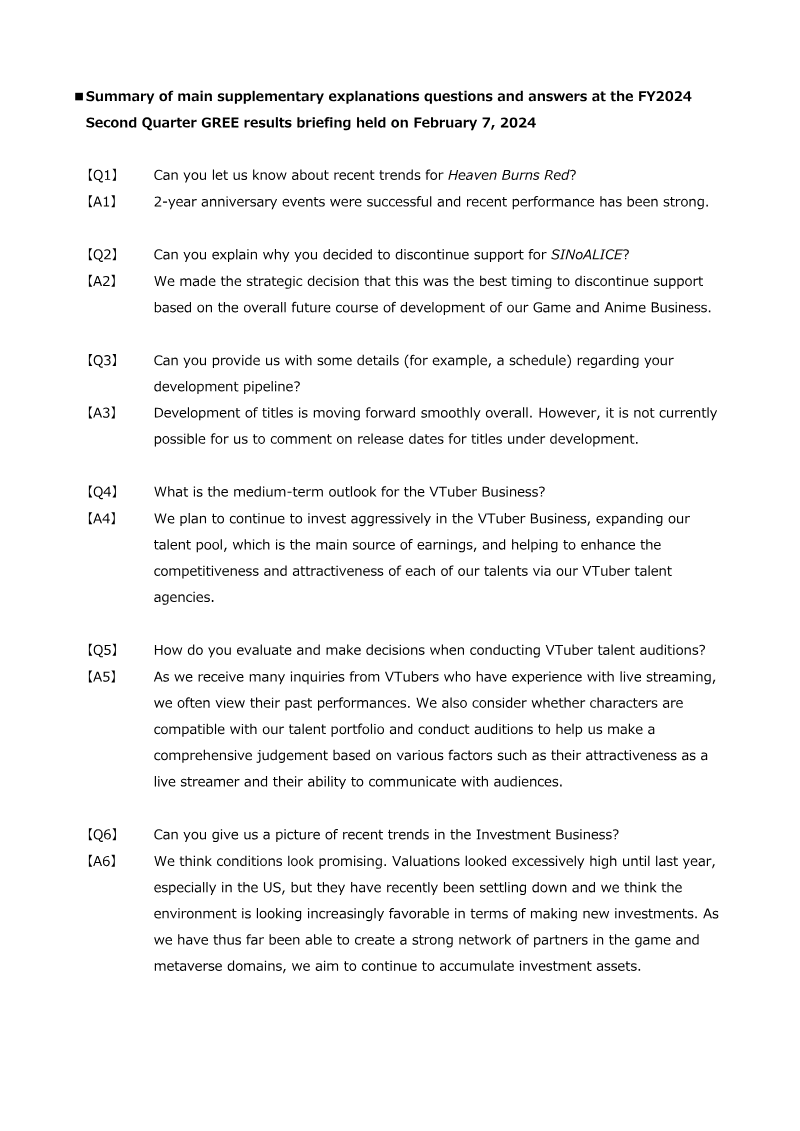
GREE · 2024

Unity · 2024

Liftoff · 2023

Mistplay · 2023

AppsFlyer · 2023
Unity · 2023