ArticleVideo Games Industry Memo
The Games Industry’s Self-Censorship Problem
16 Oct 20251 page~16 min full read
Key insights
4 slides
The trend
Major game companies increasingly adopt self-censorship as a defensive strategy.
This trend gained significant visibility throughout 2025. It involves major companies limiting creative expression or narrative content to avoid controversy.
Defensive strategy. Major game companies are increasingly adopting self-censorship to avoid political backlash.
What changed
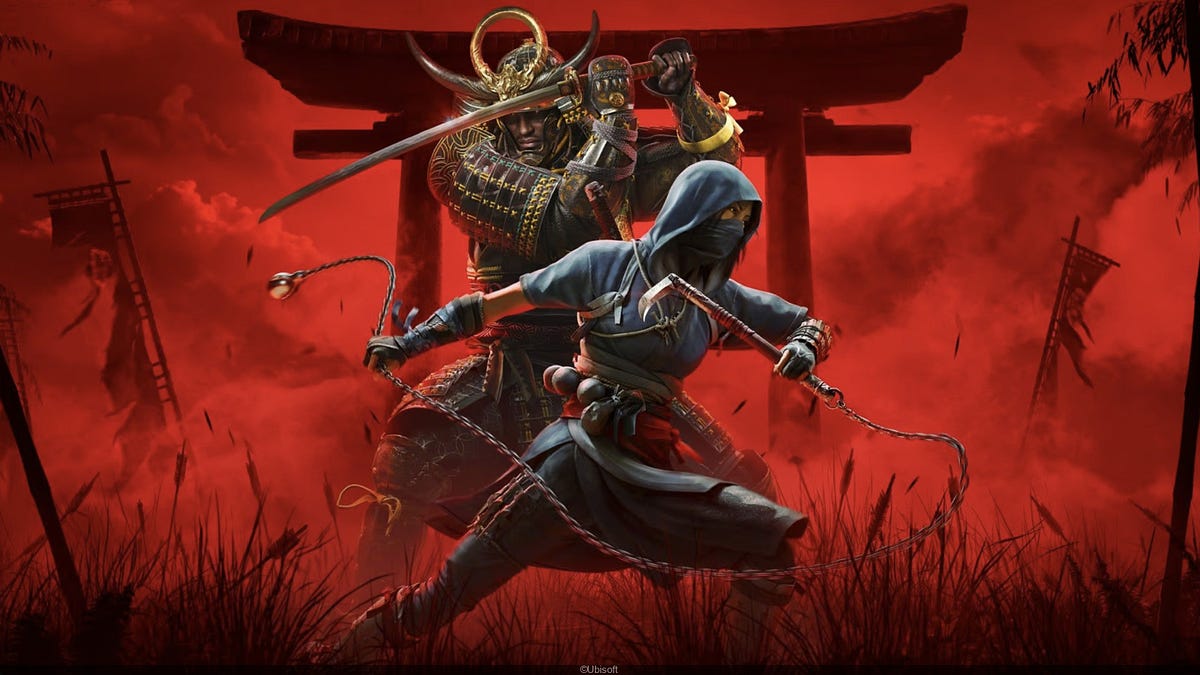
Ubisoft canceled a project set in Reconstruction America due to political sensitivity.
Jagex reduced Pride-related content following player pushback. These actions are characterized as a failure of corporate courage.
Platform response
Roblox implemented a 'sensitive issues' tag for user-generated experiences.
The scope of this issue is global, affecting major publishers and platforms.
The risk
Ceding ground to censorious actors risks normalizing a culture of fear.
This mirrors autocratic tactics and threatens to alienate a diverse global player base. The industry's belief in 'apolitical' gaming is fundamentally flawed.
Culture of fear. Major publishers risk normalizing a culture of fear that mirrors autocratic tactics.
1 / 4
Ask AI about this report