1 free read left. Create a free account for unlimited reading + AI research.
Create free accountWhitepaper DiGRA
1 free read left. Create a free account for unlimited reading + AI research.
Create free accountWhitepaperDiGRA
The first paper introduces Simulated Productive Play, describing games such as Diner Dash and its spin-offs that stage serving, cleaning, and cooking.
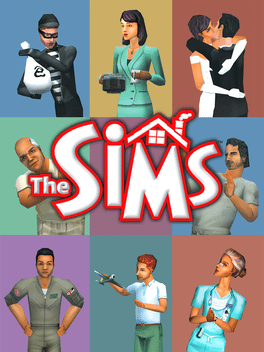
The document under consideration is a collection of four papers from the DiGRA 2009 conference proceedings, all exploring how gender, productivity, and leisure intersect in digital play. Its central concern is the blurred boundary between work and play, examined through the lens of women and mothers as players. The first paper introduces the concept of "Simulated Productive Play," arguing through analysis of Diner Dash and its spin-offs that these games stage domestic labor such as serving, cleaning, and cooking, and that they often reflect women's anxieties about leisure time. It draws on sociological work on the "leisure gap" and the second shift to frame these dynamics. A second paper examines identity construction through storytelling in a World of Warcraft guild forum, applying Ricoeur's narrative theory and Turkle's constructivist account of online identity to show how gender is performed textually. A third study surveys female gamers who are also mothers, finding that their play is pragmatic and oriented toward family needs, relaxation, and short time slots rather than mere entertainment. The final paper analyzes The Sims 2 fan community Radola in Finland, interpreting simmers' creative output through the concept of the "culture of the bedroom" and noting that such communities remain poorly recognized despite their productivity. Across these papers, the methodologies include close textual and mechanical analysis, questionnaires, interviews, and forum analysis, though the sample sizes and specific figures are not reported in the excerpts provided.
DiGRA · 2016
PocketGamer.biz · 2023