1 free read left. Create a free account for unlimited reading + AI research.
Create free account
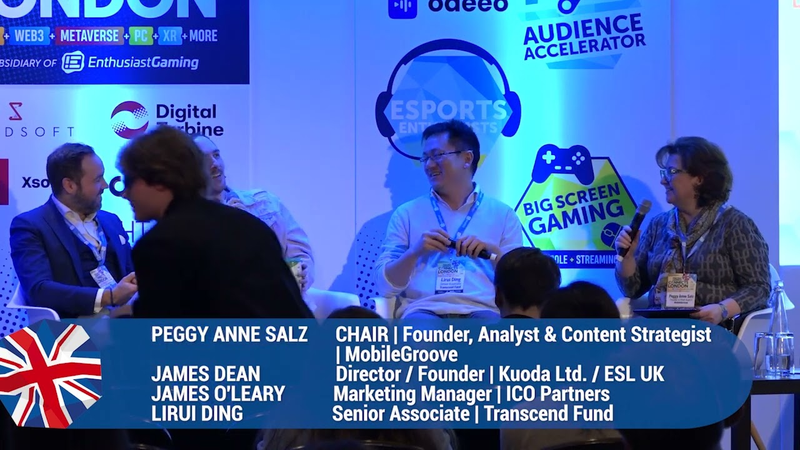
Panel: The Esports Expansion: How Technology, Brands & Audiences Are Changing the Face of Gaming.
Key insights
6 takeaways- 01Esports is shifting from a game-genre focus to a multi-platform entertainment model that prioritizes influencer-led storytelling to compete with major streaming platforms like Netflix and YouTube.
- 02A significant geographic divide exists in hardware adoption, with mobile esports dominating markets in China, India, and Brazil, while Western audiences remain anchored to PC and console platforms.
- 03The industry is pivoting away from high-cost franchise entry fees toward community-driven business models to overcome the failure of traditional endemic sponsorship in mobile ecosystems.
- 04Organizations are leveraging data-rich player analytics and integrating performance metrics directly into the viewing experience to deepen fan connections and improve monetization.
- 05Financial sustainability is increasingly tied to reciprocal value exchanges, such as revenue-sharing through in-game digital assets, which allow smaller titles to compete alongside large-scale tournaments.
- 06To capture Gen Z and Gen Alpha demographics, the industry is moving away from traditional sports benchmarks in favor of authentic, community-driven engagement strategies.
Ask AI about this video
Transcript
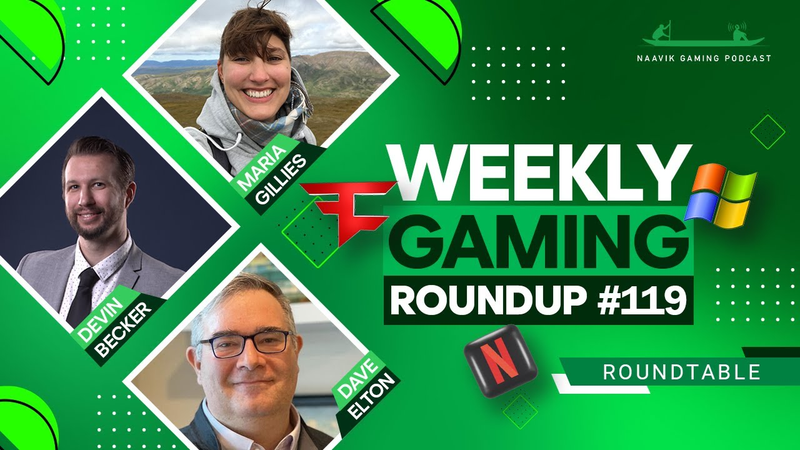
foreign [Music] [Applause] Sports expansion how technology audience Brands and audiences are changing the face of gaming so I'd like to invite Peggy Ann sells from mobile Groove James O'Leary from Ico partners uh Larry ding from transcend fun Eric banovsky of Enthusiast gaming and James Dean is uh back on the stage so uh yeah
looking forward to this one it's a long day but this is exciting because this is like the coolest panel of the day Bar None because it's all about opportunity it's talking about how Esports is expanding and who can get involved and some great great news on all levels but let me um let me start by introducing our panel as we introduce them but I'd like to give people context so starting with James James Jean we'll get two James so I have to figure this one out James Dean founder managing director of ESL but what's really exciting I didn't realize this is the UK office operates the UK's longest running National Esports tournament the ESL Premiership but importantly holds the records for the largest ever online audience for UK's Esports tournaments so there's a lot you can bring here you're also uh you know you've started as a writer for a computer magazine so you have sort of both hemispheres of the brain intact and uh pretty cool I was intact and using
them because we're going to chat both of them for this session but also interesting you know you have been watching this since the early 2000s not bad for a kid who I understand was banned from school for computer networking after installing games to play at lunchtime so you are you're hardcore James welcome uh James O'Leary marketing manager but what we're really talking about is not your Ico Partners it's really what you do in terms of just like the impressive projects you've worked on Dungeons and Dragons uh Magic the Gathering so an Esports commentator working with the likes of Riot games covering League of Legends so can I say rock star James welcome oh thank you most of my Esports work is as a part of riot games or I've worked with Epic on fortnite a bunch of different things so 12 years of commentary I met James 10 years ago we were just reminiscing about this earlier today so I may look fresh-faced but in
Esports I'm an old hat so I've been around the block a few times there you go well that's weird right Lee Ray as well so leeway doing senior associate at transcend fund but also really hardcore because in addition to what he's done he's a game industry veteran building Digital entertainment companies but more importantly professional Esports as well so you have had your finger on the pulse for a while continuing to look at that sector and going to tell us about that experience as well and bringing that experience to Esports games so it's great to have you be very welcome yeah thanks um I'm probably one of the OG for the Esports as well and if I think about my Esports career that was um gosh more than 20 years ago and I remember I started playing some computer games I was doing relatively well between most of my friends and I was like you know began to go for some let's say you know city-wide tournament Countrywide
tournament International Tournament and back then I was 20 years ago right so I was always top four on lots of tournament well I mean truth be told when I say I was top four I mean I was number four right otherwise I would say the top three on top one and uh yeah it was pretty much a winner takes all industry back then and uh you know number one got about a million uh prize money number two got about half a million number three probably got about 100K which is still decent money guess how much I got Peggy when I was a number four I'm not gonna try and guess what I got a lot of the three miles and free keyboards you got products he got products and that was enough to keep you to keep you that's really sad indeed indeed I remember at my peak of my career I had about 50 keyboards 50 miles in my bedroom and that was basically my income for that month right back in the
old days he used it as wind keyboards and then sell them and that would be a prize money you know exactly exactly yeah yeah and then I did that for a few years and at the peak time I've got about 400 APM which is basically I can click the keyboard and mouse like six seven times within a second continuously doing that for about one hour two hours and around 25 I was pretty much like equivalent of 55 year old in any other sports I was basically too old so I thought of that retired as a you know failed Esports player and uh you know I didn't make enough money I couldn't really afford that you know a beachfront house so I was like okay I should probably still do something for the for the game industry and obviously I wasn't very good at talking I was quite shy so I couldn't find a commentator job like like James did but I did end up working as a consultant for the game companies and I was at Activision Blizzard for a while and uh during transcend fund as an
investor now so stay in the game industry well that gives us a lot of great context to talk about what this industry is I mean when we were talking in prep it was like okay it's expanding it's bigger but it isn't only Esports anymore I thought you really embarked on an interesting discussion point of what is this really because it's not necessarily what it was before which opens up a lot of opportunities but just as many questions I'll start with you James yeah I mean I I obviously did a bit of a presentation earlier and I covered a couple of ips there that I think are trying to push the Horizon of what we see as entertainment and if we think about all the sports we grow up with it's all those moments where there's the winning moment the the team we love or the person who's playing Etc and we're not necessarily a player of things those Sports and we just participate by by
appreciating um the the prowess of the players and the teams so I think what fascinates me is how does life competitive entertainment really involve and you know what new formats are out there that allows us to really think about not just um the play their experience which is primary one and because we tend to all be players of that game until we get older and we don't have time or we're not very good at it anymore um and But ultimately how do we involve how do we get involved like what's our experience as a viewer and can we contribute and I think that's really gets really exciting because eventually we end up making a gamified experience of the game we're watching in effect that was a massive Chapman for a card game and you just say to yourself well
that can be card games that can be just about anything so that I guess the message here is that there probably is a reason I don't know but for me I was thinking from the outside end there probably is not a genre that can turn this into something in the way that it's live competitive and interesting or is there I I think inside Esports people about two or three years ago had this what seems like a silly Revelation now but is was a revelation at the time where people went wow we're just entertainment we don't need to just be Esports we can compete with Netflix and we can compete with Amazon Prime and then we can compete with traditional Sports and now everyone's like oh yeah okay but now we're actually competing with Tick Tock now we're competing with YouTube shorts now we're competing with Instagram reels it's gone past the point of like okay we're doing the traditional Sports thing now it's just entertainment as a whole every single moment that you're on your phone you're on your computer some somebody somewhere is paying for your attention and Esports is is breaking that next kind of step on a
marketing scale so it's a little bit less about genre you mentioned um cards I mean Poker World Series of Poker has been kind of like one of the benchmarks of what Esports broadcast people have looked at for a while which is this outside entity that isn't a traditional sport by nature but it has a storyline to it and if you have good commentators and you know they can tell a story you can hook people in but now people are looking past that is like okay who are your influencers in the space how are you actually capturing and holding people's attention and it the storytelling aspect of Esports has stepped further than just two people or two teams playing a game and now it has to be kind of all-encompassing of the team has to have such good content these days the short form long form you need to be able to care and invest in these Esports teams and players so the genre is almost insignificant these days the genre is just wherever the the river of video games is right now I mean it was mobas it was Battle royale's we're in a
bit of a lull period where nobody is really latching onto the market so it's whatever the next thing is will be the next genre and uh that that's kind of that million dollar question if you can predict what that is before it sets in you'll have the next fortnight I was going to say I definitely agree on that um one example came to our mind was as an investor ourselves we are always you know actively looking for new opportunities within the Esports industry so this was like you know from a very very small industry to now you know over a billion analyst and there are a lot of opportunities for us as investors and also for everyone here as the industry participants and then I think we really need to have a like open-minded about what's the definition of the Esports so I remember they said you talk about that you know General is almost irrelevant now and I remember where I was at Activision Blizzard and one of the really really casual game was
Candy Crush and it was basically a match three puzzle game people would never ever relay that to Esports but then what happened was um Activision Blizzard had a tournament called the candy All-Stars it basically allows everyone to participate at a national level and you know millions of the players sign up to that event so that you know tournament and after about one month of competition and then they selected I think a top 10 players to participate in that fun little game I think uh on the stage I think there was about millions of viewers so to some extent that's almost like Esports right um I would argue you know who would have a think a match of three casual puzzle game the main motivation for people to play was about relaxing relaxation escapes them to now become you know part of the Esports yeah no thanks because big heart of the lifestyle more
and we we're in lockdown and we have maybe not a whole ton of space in the apartment or home it's like everyone's on their device and that stuck with us but we're not really seeing the shift yet to mobile what are we going to see in that transition and what what challenges opportunities does that create because for one it opens up a whole new opportunity in formats um maybe you will be booked maybe you won't oh yeah maybe I'll maybe I'll get more work maybe you have more work the sad thing is I have to be the doomsayer now it's like beware the Ides of March at this point um because mobile Esports in the what we call the West which is not exactly the nicest name for it which basically means Europe and America um we are in a rocky patch this year Riot games released League of Legends Wildlife it was meant to be their massive revamp of everything then they killed the esport in everywhere outside of southeast Asia and China so that was my job down the pan for a while uh lucky I have my day job with Ico doing marketing um but the important thing
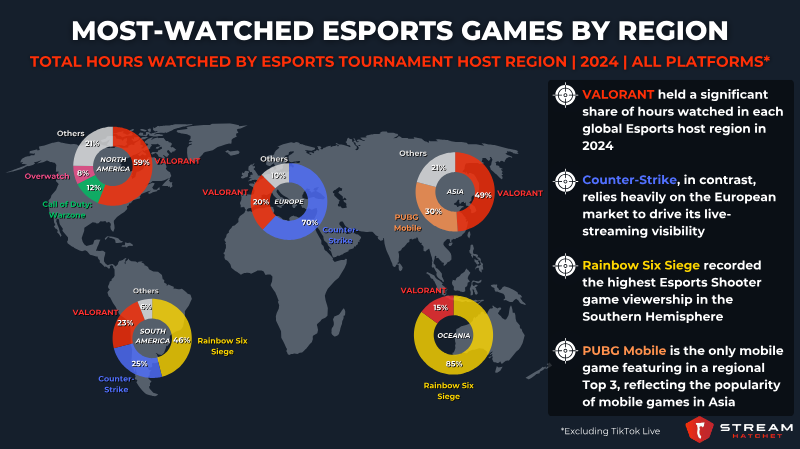
about that is we talk about not seeing the the adoption um the reason we don't see it is because so much of it is centralized within markets like China like southeast Asia India Brazil Kelvin went through a little bit of the history about PC balancing career and and how they were important in the infrastructure of Esports and how China uses Mobile gaming it's very similar in India Brazil a lot of the environments in which access to a lower cost phone doesn't prevent you from gaming they become a primary video games device so games like pubg mobile Cod mobile quite a few others that are specific to the region honor of Kings there's many many games that are on mobile in these regions specifically they have massive massive player bases but over here in the west people are stuck on whether it's consoles PCS however they want to play they don't switch to their mobile yet for longer gaming sessions and it's it's under valued and underrepresented right now uh
in the west it's It's A Hard Sell to get people off console and PC games for a Esports perspective towards a mobile so there's a lot of growth opportunity there but it's about breaking that mold first yeah and I think this sort of dwells on the point of changing up what the entertainment proposition is right because ultimately if you look in the player base as you say it's huge and it's growing across the world like mobiles are so accessible but if we then actually translate to how people are consuming the content of of those tournaments or lately yeah it's it's all short form it's understanding progression it's understanding a relation to your own gameplay it's what can I get out of it and what can I contribute so I think if we actually look at pubg mobile for example which arguably is such a similar game to the to the desktop format the PC format that
it kind of replicates it but still despite it being a very similar title um or gameplay it doesn't translate in the same sort of viewership and an ecosystem that we expect from from the PC game um and I think that is because of interface interface is ultimately that you've got to admit it's the best on a keyboard and mouse and however if we now think about well what is the offering on an entertainment perspective I think there's so much stuff can be done using different mobile platforms to say is this great gameplay I think you know you look at the tick tock numbers or you look at insta shorts or YouTube shorts or insta posts of videos like it's it's incredible and what we need to do is really understand what is that proposition commercially like how do we translate that into a real media value may I may have
following on from that because it's a proposition and an insane challenge in its own way the proposition is you've got gen Z and gen Alpha who are the primary consumers of this content and they are the hardest to Market to their brand agnostic generally but there's one thing that there's traditionally less brand diagnostic on right now which is the biggest problem for mobile Esports is 83 plus percent on the last survey I saw of mobile users in America use an Apple iPhone guess who doesn't sponsor anything other than the Super Bowl and MLS as of next year Apple don't put money in so unless you have a Samsung phone which is the next 10 of the market share you have no endemic sponsors to the mobile Esports Market whereas in traditional PC Esports James you know it's very well you've got headset sponsors keyboard sponsors I'm sure you've sponsored teams and broke your deals in your day you're paying for these sponsorships well if most people want to play on an iPhone at home and then the tournament organizer makes them
play on an Oppo or a Samsung well then you've got no sponsorship acquisition you've got no activation through a team that's the biggest challenge for investment in the mobile Esports space specifically is how do you get money into the scene it's practically impossible outside of a few little areas that it can drip in yeah I definitely agree on that and I think um the Esports on the mobile platform I think it's probably less common in let's say in London but then I worked in southeast Asia for about a year I walked in a lot of time for another year as well I got the opportunity to really see that you know not just about mobile first about Mobile online platform so in those countries well the disposable income is probably not even enough to buy an iPhone then you know just to find you know another 500 500 pounds for a PS5 or Xbox or a latest gaming PC is even harder so a lot of people they will end up playing on their mobile phone because that's their online gaming platform and
naturally you know Esports as part of the wider you know the gaming let's say ecosystem they really flourish or benefit from that and I've seen a lot of that you know mobile tournament happened uh the much smaller scale in those countries but it's getting a lot of momentum speaking of momentum what else is interesting is marketers games companies telling me thinking about this and saying yeah I want to be sort of Esports friendly but it's not an afterthought it's an afterthought now when we see the action but is there any way to be more proactive more I want to be Esports friendly because it can be live entertainment it could be a lot of different genres there is an opportunity but how do you sort of make certain that your game that the IP because you want to have a great experience you don't want to ruin it great IP don't want to ruin it but yeah we're going for shorter sessions different audiences James what are your thoughts and I think from a content
creator um because there was a there was actually a presentation earlier on which covered the mechanics of the most perfect Esports game you could get to um but in terms of making it Esports Readiness yeah from a Content perspective um I think it's more around the tool set that is being built so considering um how can communities or individuals or companies take that IP and create a consistent business model around the the playing of that game competitively to create that competition and obviously there's technicalities in things like being able to get the Observer mode so you can bring out the content on getting the statistics Etc but I think as we move towards more of a b2c revenue model it's also about sharing IP it's about allowing IP to come out of the game because game developers naturally are
extremely protective of that you cannot take a piece of Ip in the game and take it somewhere else and put it into a metaverse let's say and I think web3 might actually evolve that that juxtaposition we're in because that's all based on the idea of individuals owning that that value and suddenly if you now have a an experience a game that is allowed allowing people to build that value in the form of their avatars and characters and profiles and achievements Etc and then take that out and use it elsewhere suddenly other companies and organizations and individuals and communities and all sorts teams can monetize that and and hey Presto we're not worrying about sponsorship so much anymore it's a self-profocating business model that everyone is contributing to and benefiting from but you have to argue with these massive huge profits that will be made right at the top there
because naturally people are going to be very protective of that well there is the point though because we're talking about the expansion and one is the role of the community I mean there are communities that say to themselves oh well that game isn't an Esports game so we're going to make it into one I mean you don't want to stop that you want to harness that what are your thoughts James about bringing the power of the community into this because they might make up for some of the companies that aren't seeing it you know what do you have an audience when you have eyeballs you have a different way of leveraging what you have and your IP yeah Community it's funny we look at um and it is very true we look at community building in in gaming as a specific um as a specific industry as if it's separate from other things and I've spoken to so many people that don't necessarily equate team fandom with community building in the same way that a football team would in in in that way where Esports Community only exists as long as you can hook people into your
brand or your team if that's a game that's because they play the game or they like watching the game or the other one is that they've watched the game for long enough they don't want to stop watching the game that generally is like that at that long time hooked in thing where it becomes generational um but if you're an Esports brand or a team and you're not able to activate your fan base to buy merchandise support players whether it's watching their streams buying merchandise their sponsored products and directly linking it to sponsors if that aspect of community isn't there it's very difficult to survive and it's the type of thing that teams have started to realize over the last few years um through their wallet more than just feeling it kind of passively there are very few teams actually making money that's the thing that nobody else wants to tell you a lot of teams spending a hell of a lot of money not a lot of teams making a lot of money they might be breaking even at best but without merchandise sales there's no real way of
having a community prop up the game so that sounds very good at the end of the day on this happening no we we can bring up the the hype because with that comes um those moments in sports and traditional sports that people will latch on for a lifetime and we saw it in the first Esports presentation of the day those moments that are clippable and shareable um the moments that you think from watching sports 10 years ago 20 years ago I'm I'm a wrestling fan so I have memories from 20 years ago of it's a meme now but mankind getting thrown off the top of Hell in the Cell I can picture that vividly in my mind well there are Esports moments like that those of you that leave Legends fans in here will know that there's a moment where the greatest League of Legends player of all time Faker took to his first game on the stage one a zed versus one versus one against his opponent and it's one of the greatest moments in League of Legends history and anybody that is a fan of Faker or SKT or League of Legends that has watched Esports has seen that clip probably 400 times now and that's the community that sticks
around in Esports that doesn't necessarily rely so much on money yeah and I was going to add another thing is uh it's really important for the game companies to realize the role of Esports play in terms of the community in terms of the player engagement or great engagement so example for me it was could it be that you know I played a lot of games in the past now I stopped playing that particular game but now you know after watching our eSchool content I was like okay actually that's interesting you know maybe I can go back and play that you know a lot of some trick from that video I want to go and try it and I'll become you know another you know really engage the player and I think this is the thing the developers or the game studios need to recognize it's quite different from let's say traditional Sports so for example like um if I saw some you know really cool video or tricks um World Cup by Massey let's say I it's a very rare I would say maybe I could do that as well I wouldn't
really go back and try to replicate that but I think Esports is very different yeah I think I've been interesting point because I was talking to play Magnus not long ago and it was the whole idea that what's interesting about this is also education is a play it's part of it it's not just like watching The Players I mean there are people without chess and we'll watch that but it's more important like the master classes how do I get better at this what am I doing here how can games companies latch on more to that as well because that is part of what is going to be the hook we either hook them on the live excitement of it all or we hook them on sort of like the you know the backstage of it all and the education James you were going to say something I feel like yeah I think um if first of all and if we look at a lot of the Esports ecosystems set up especially on the national level it is a platform for people to learn not just playing is to better themselves across the whole landscape of creativity and content creation and casting and all the rest of
it I think that's really important but um but then also I think from a data perspective we're dealing with a sport here which is pure in data which is very exciting and we actually worked on the government r d project which was all about creating fun experiences through AI Technologies and analyzing the data and it was a very large project we did with the University of York and some big broadcasters in the UK and one of the best use cases we started to really explore was the idea that as you're watching a particular match Whatever It Is by plugging in your own player data you can now start comparing your performance with the performance and you can't do that really in in traditional sports but gaming allows us to do this fantastic stuff and it could be all sorts of data
points we can analyze and I really love that because you then start to feel really involved and you might improve from that or you might just have a bit of fun with that or maybe you might look at the what-if scenarios and say oh if if they manage if they played it differently what would I be right would I have made the right decision and what's my chances of winning in that circumstance I think the Technology Innovation really helps that like gems that I remember when I was a professional Esports player basically for every game I played I always watch the replay at least three times so the first time I always watch it from my perspective and I like you said you know okay how can I improve how can I do things differently and then the second time is actually to watch from an opponent's perspective think about Ah that's what he did okay that's something I didn't realize okay that's how I lost and then the third would be the water if
scenario like you said now I know the mistakes I made now I know the moves of my opponent can't do things differently you know and then back then it was all very menu because they wouldn't you know such a collaborator all this big data analytics all the AIS so I ended up watching lots of the replays so it replaced and also I was um writing a lot of notes on the basically on piece of paper so on two minutes and 30 seconds I do this next time I should do it one second earlier but that's you know nothing as advanced as there's a you know an analytics gems talk about yeah I wish I wish I was 10 years younger right I mean we all wish we were 10 years younger yeah but what you're saying is there's massive player engagement already at multiple levels and they're excited but of course what we're seeing now in our climate you know where entire teams are just like yeah I'm ready for this and then no there's no team there's no game
there's it's it's pulled you've seen it yourself in your work Chase what does that tell us about how to show commitment because if games companies are showing that commitment then it's going to be well this is a smaller tournament or it's a different type of tournament but I'm here for you and if you spend the time to figure this out and to play this in a perfect you know your craft it's here for you yeah um so a lot of a lot of a couple years ago a lot of Esports companies decided that they would show commitment by charging each team like 20 million dollars for a spot and then everyone will share the money and it'll be great and we'll make a lot of money in the end uh that has not worked out in the way they wanted it to um surprise surprise surprise um I was optimistic at the beginning to be honest there was a moment um unfortunately it hasn't worked out in a very productive way in that regard but I think what people learned um along that Journey though is as the industry of the gaming industry has moved from a
single box game to games as a service or free to play as it used to be called to battle pass structures it's more about continuous engagement and player retention and then Revenue sharing with Esports I was talking to Calvin a little earlier who did the presentation just before this um about how Rainbow Six have Team merchandise within the game and then that's rev shared with the teams it's not the first time we've seen it but certainly it you know these things Peak and and trough at different times that's one way that um a solid Esports ecosystem can at least be propped up for a little while it is top heavy though if you're a team like G2 Esports who are the biggest European uh Esports team in the world great for you like European Esports team in the world that's a strange way of putting it they make a lot of of you know uh money off fans in the game if you're a smaller organization if you're the 10th Place team in a league of 10 teams then you're not going to make as much and you're going to make very small
amounts of that money so it is still top heavy again that goes a little bit back towards that Community Building aspect um it's about sharing commitment with the fans the teams and the the publisher at the same time which is a very difficult uh thing to actually balance because at the end of the day the publisher wants to make money the teams want to make money and that means it's It's tricky to strike that balance but that that's where it comes from someone yeah and I think if we think about this extension when the you know gaming of the service the primary way of making revenue is selling in-game items digital assets Etc of value um you know to the into the community and um and and I think what we have seen very successfully in most circumstances is where um the the community or the players are getting something by contributing towards something they want to watch so
um you know we saw it the Dota 2 International is a great example where you know try 25 of those winnings are put into the prize the revenue is put into the prize pool and every year it tends to go up because the community want to prove out they want to see this and they're getting digital value back so it's actually just selling more game in effect which is you know works very well with their business model but you have to also be careful with that because that's a contract with the community you're saying we're going to deliver this if you do this and I think we saw an example um with the with um wow I think it was where um they committed to half a million dollars in prize money minimum and uh it the way it was worded it made it sound like um that's the lowest level but the community generated far beyond that and then of course when they came to the prize meeting like hang on where's all the rest of the money like
we you know don't pocket it that's our that's ours and and I think it is providing that value back and as long as that that reciprocal relationship exists it will it can scale from the smallest newest games and we we actually um launched a few much smaller Esports if you like um a few years ago one in I love as an example is old school RuneScape where you still have several hundred thousand people playing that game very regularly and when we spoke to jagex about you know developing out competitive format um you know we came up with this this concept of you know last man standing and we called it the final hour that was the the broadcast um and it was based on the simple seasonal idea of building up your character and then just going for it and seeing who's left and obviously they've got their factions and
200 000 people play the game two hundred thousand people watched the tournament 200 000 people re-entered and they generated very good revenue from that which more than paid for the whole tournament so call it the content marketing activity that's actually generated Revenue I mean this is companies like Red Bull we're very good at right so so I think there's so many positives to actually scale from a very small level if you sort of do it in this reciprocal value yeah it's interesting James you mentioned that you know there's a small scale Esports tournament or even like small scale games because if I think of from you know professional player perspective at a very early beginning where I think about what esporta game I want to play there are always two options one is definitely to go to the one that is most uh you know recognizable games has the biggest the community has the most of viewership because you know basically the price of money is there and if I
weighing I'll have a lot of you know reward Financial reward and all the fame Etc so that's one way to do it but essentially I would become like you know a small fish in a very big pond and you know although the infrastructure there are the prices there are but also a lot of competition out there so every single possible move I can ever think of someone has already died twice at least so it's very hard for me to win and another way to think about that for another type of the games is to going for a smaller upcoming games that has not really been that popular yet and in this one although the money is not there but I may have a higher chance of winning it and if I can grow together with the game you know the upside of the potential is huge and also I feel like on those smaller games you probably have I wouldn't say control but let's say you know your feedback might be quite vital to that game you know if you say oh this is a really imbalanced you know like you know probably like developers are probably
like quicker to respond to you um so I think you know you mentioned those smaller scale games I think that's very interesting point yeah I love I mean a good example Company of Heroes after you know the developer actually just ditched it completely turned off the community found out a way that they would still run tournaments and carry it forward and they were generating 20 30 000 pounds every single time and they built out and I think that's just so good to see that passion and I mean you cannot authenticity so I think um the thing is I think we get stuck in this idea of getting that sponsorship Revenue I think the tournament needs to stand on its own two feet without sponsorship it needs to and then if you get to that Anything is Possible didn't you I'm just making sure okay
because they said take time for questions we can continue we can rock on there is a question about yes take it there oh you got better eyes than I do there you go um so I wanted to ask sorry so you mentioned obviously complete Heroes so looking at uh Esports just slightly outside of the mobile scene uh what would be the kind of view on something like the fighting game Community you know like Street Fighter attacking Guilty Gear for example do you want to take that or should I okay uh so anybody that's followed Esports for a while knows the fighting game Community always want to push back but they are perhaps the most dedicated Esports that they actually are and passionate they will they will show up even if it means like in a fight stick through the rain like it doesn't even matter I've been so many fighting games events that are like the coolest events ever and I think intrinsically though they want to stay relatively underground and and I'm not an expert on a fighting game
scene in you know myself so I'm sure there are much more uh qualified people to talk about that um but what I will say is that passion you can't buy like in in the way you're saying is similar to the the Company of Heroes saying like there are there are so many passionate fighting games fans that don't particularly want to be tied with the same brush as Esports which is why if you watch Evo the biggest fighting games Tournament of the year it doesn't look anything like the rest of Esports and I love it I I love watching it um they can not be Esports if they want I'll watch it and love it doesn't export myself just to add maybe an interesting fact or story with them I played some of those fighting games myself like um Street Fighters and King of Fighters and I totally agree with you like um those are friends or those are players are really really dedicated and I remember I was saying basically there was a player and he beats me every time I play against it and uh I used to like it I couldn't find any possibility to be him so I was like
okay if I can't beat him maybe I should learn from him so basically you know stalk this player for about a few days and literally like well wherever he went out and went next to him and I saw him basically like doing the controls like you know back then there was a lot of controllers and he was doing this like where he was like not do anything and I was like I thought that was probably like you know sort of a trauma after you know playing that games for too long but actually he was practicing it even if he was already like a very very top tier player and he was not doing that you know well he's got to be a free time you know it's kind of like you know footballer well it's just like you know kick the balls whatever you know they got us to see a ball he was doing that all the time you know yeah that takes a lot of dedication but that's also one of the reasons why um fighting games players have a little bit more longevity uh in the same way the Counter-Strike players have more longevity than um people say mobile players you're done at 25. it's not so true but fighting games plays and shooting games are a
little bit more muscle memory I I once lost to somebody playing Street Fighter 4 they played one-handed I played two-handed um that was pretty embarrassing but at the same time we saw a screen grabbing a clip from Street Fighter uh I think it was for first uh third strike uh Diego versus Justin Wong the clip from earlier which was just like that amazing moment both of those players still play professionally so it's all about muscle memory and and just that insane amount of practice at hours and hours and hours and hours of dedication I I love that apartment games Community it's great to try any other questions some no you're just okay um I think we're nearly near time yeah can I have one last question okay because that was what we want to do I want to say okay this is why I love this panel because I love opportunities and uh the ones that you don't see so the opportunity is live entertainment is a broad opportunity broad definition a lot of genres can get involved
um you don't have to go for big you've got a tribe you can make that into something and you don't necessarily go for a prize and experience when it's Again part of that community so there's an opportunity there say something inspiring at the end of the day so people understand that they can open the aperture of how they view this and and go out and maybe do something Monday morning about it I I'd encourage anyone and I see all the time no one can own Esports no even the IP owner cannot own Esports and we're in a space where you know people are trying to think about regulating the space or or big conglomerates or trying to own that area at the end of the day if you believe in it and you've got an idea and you've got access to or you want to build a community it will work if you if you go for it all right something is going James last word uh inspiring thing if you're in marketing in any way in
this room or not interested in Esports don't look at the NFL don't look at Premiership football look at things like um I I don't like necessarily a lot of the content but the amount of energy that was created by the the prime managing drink in like basically gen Z and gen Alpha that most people are like who's KSI if you're older than me they're like I have no idea who these people are but if you look at the look at the go and get product drove out and just energized their fan base you want to be looking at those types of communities look at what gen Z gen Alpha are actually watching and consuming Market towards that in a positive way don't try and be traditional Sports we are past that boundary especially for mobile Esports so there's a lot of UND driven Road there that there's time to capitalize on huge blue ocean leeway and then yeah speaking of the you know like blue ocean I think there are a lot of opportunities ahead of Esports
um you know game Market is Cable tech about 200 billion esport is just a you know a little bit over a billion so there's a significant opportunity there there are only three billion gamers in this world while there are seven billion population again there are lots of opportunities there I also think there are a lot of the Innovations are happening in the industry and on different fronts so for example transcend as an investor we invest in a company called a stress level zero and the latest Game Bone lab uh but hold I believe hold the record of fastest selling VR games on classic platform so there are lots of innovation there which is why you know we are all very excited about about the topic today and the last thing if I may say is if you any of you here are thinking about organizing at Esports tournament speak to jams if you're looking for commentators speak to this gym business
show me their business yeah if you are looking for any early stage game investment do come talk to me yeah thanks you're for an inspiring talk thank you [Music] thank you
Summary
Esports has evolved from a niche competitive gaming sector into a comprehensive entertainment industry that competes directly with major streaming platforms like Netflix and YouTube. The primary thesis driving this transformation is that long-term success no longer relies solely on specific game genres, but rather on the ability to cultivate multi-platform storytelling centered around influencers and professional teams. This shift reflects a broader strategy to capture the attention of younger demographics, specifically Gen Z and Gen Alpha, by prioritizing authentic engagement over traditional sports benchmarks.
Geographically, the industry is experiencing a significant divergence in hardware adoption. While mobile esports has achieved massive penetration in markets such as China, India, and Brazil, Western audiences remain firmly anchored to PC and console platforms. This regional disparity necessitates a transition in engagement strategies, as the industry seeks to bridge the gap between mobile-first global users and established Western gaming habits. The current focus is on innovating formats that transcend hardware limitations to reach a wider, more diverse audience.
Monetization remains a critical hurdle, particularly within the mobile sector where traditional endemic sponsorship models often fail to align with hardware ecosystems. To achieve financial sustainability, the industry is moving away from high-cost franchise entry fees in favor of community-driven business models. By leveraging data-rich player analytics and integrating performance metrics directly into the viewing experience, organizations are fostering deeper fan connections. Ultimately, the future of the ecosystem depends on reciprocal value exchanges, such as revenue-sharing through in-game digital assets, which empower smaller, organic titles to thrive alongside top-heavy, large-scale tournaments.