1 free read left. Create a free account for unlimited reading + AI research.
Create free accountWhitepaper Loading... The Journal of the Canadian Game Studies Association
1 free read left. Create a free account for unlimited reading + AI research.
Create free accountWhitepaperLoading... The Journal of the Canadian Game Studies Association
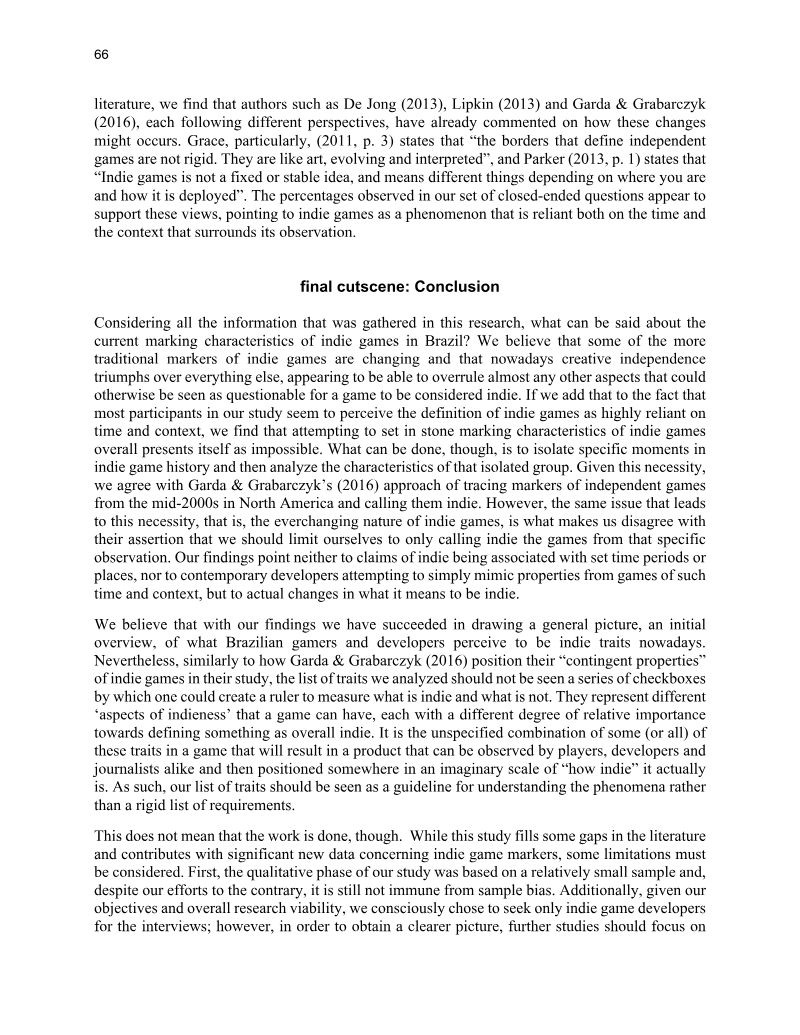
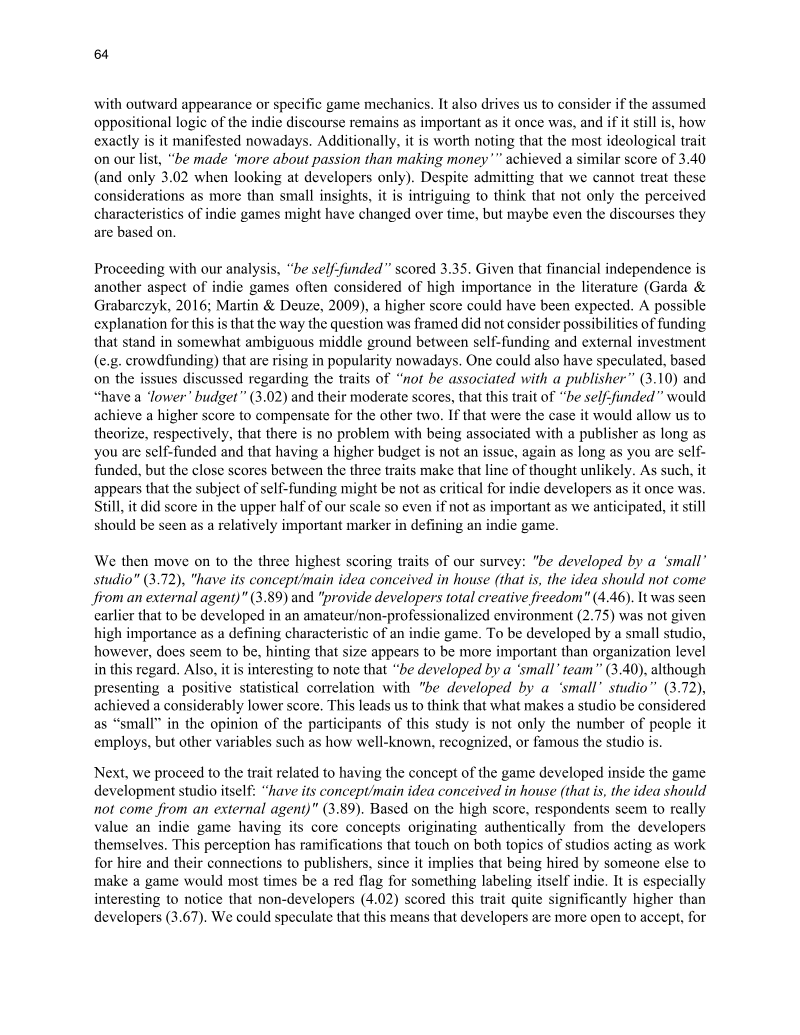
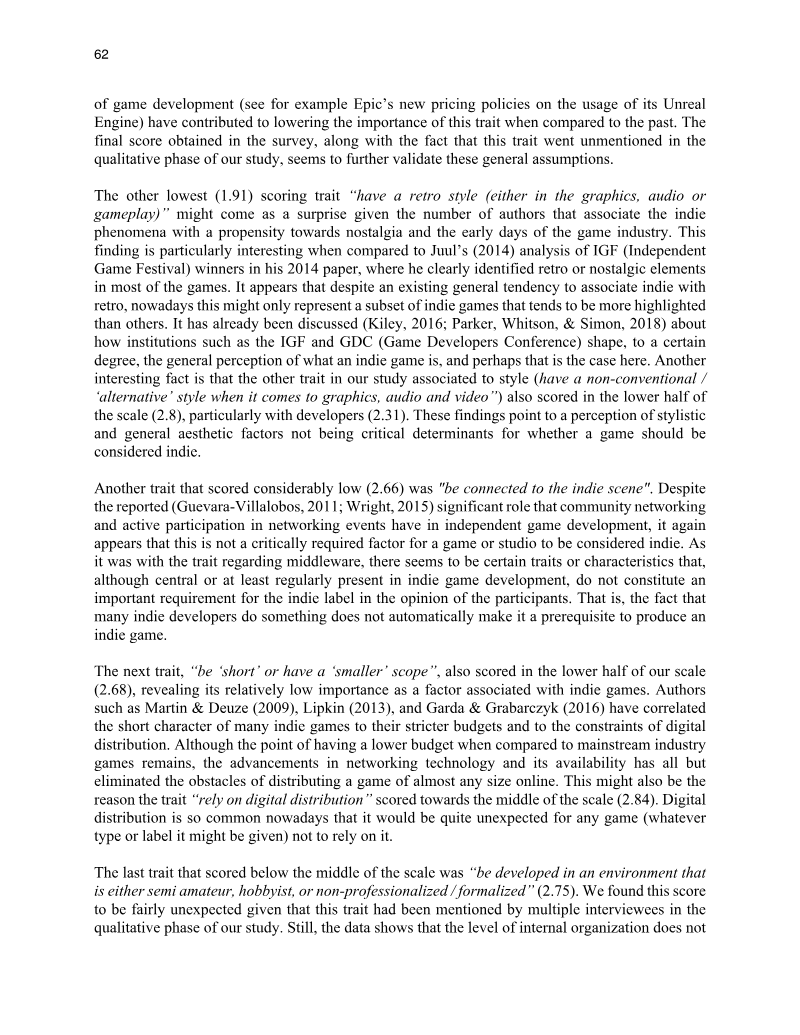
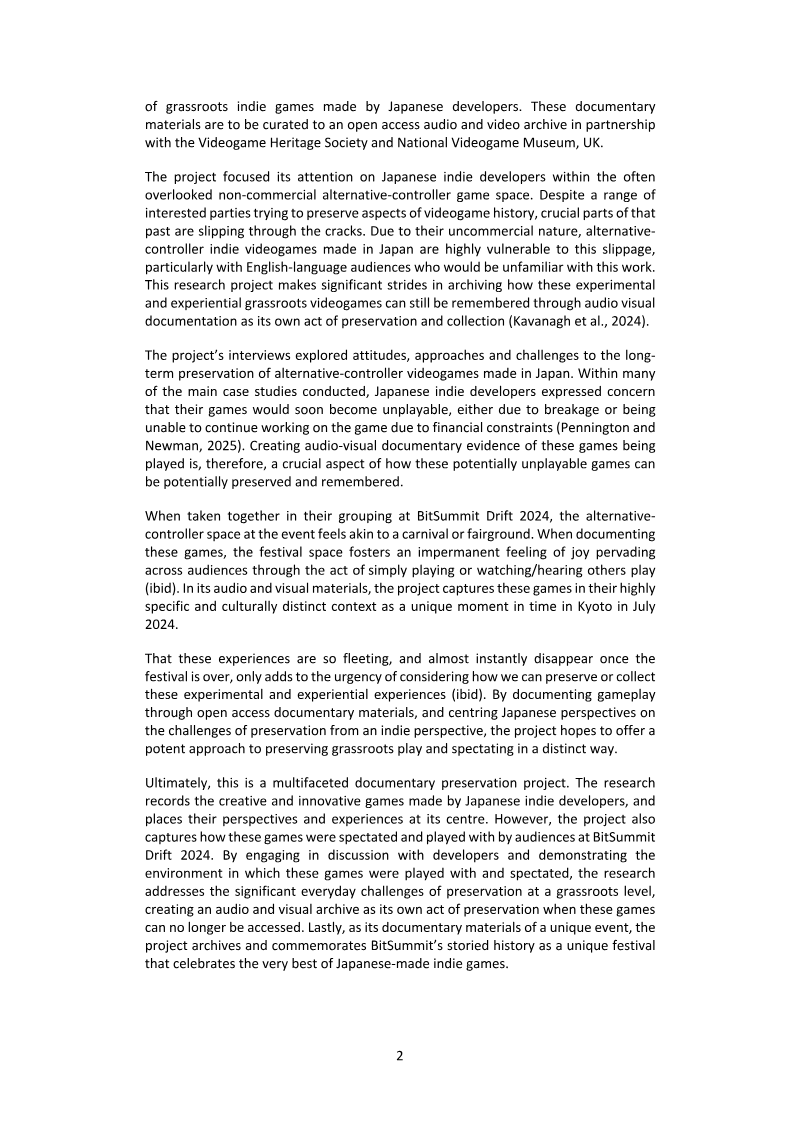
Historical definitions based on low budgets, amateur structures, or lack of publisher involvement are no longer practical. The industry has moved towards a symbiotic relationship between independent developers and corporate entities.
Definition shift. The term indie game functions as a fluid, context-dependent continuum rather than a rigid, binary classification.
The term indie game functions as a fluid, context-dependent continuum rather than a rigid, binary classification. While historical definitions often relied on binary markers such as low budgets, amateur organizational structures, or a lack of publisher involvement, these traditional metrics have become increasingly obsolete in the modern gaming landscape. The industry has shifted toward a symbiotic relationship between independent developers and corporate entities, rendering static definitions impractical and failing to capture the evolving economic realities of game production.
Creative independence stands as the primary pillar of the indie identity, with total creative freedom identified as the most critical factor by both industry professionals and the broader gaming community. Qualitative research involving Brazilian studios and quantitative surveys of over 300 participants confirm that while financial and publishing independence remain relevant, they are no longer sufficient to define the label. Stylistic choices, such as retro aesthetics or the utilization of specific development tools, are largely dismissed as irrelevant to the core concept of indieness.
This analysis highlights that the perception of indie games is shaped by an imagined collective ideal that shifts across time and geography. Because the label is inherently mutable, it is best understood through a combination of evolving traits rather than a fixed checklist. Future investigations into this sector should move beyond subjective participant opinions and prioritize objective, data-driven analyses to better map the technical and structural markers that distinguish independent titles in an increasingly complex global market.
Loading... The Journal of the Canadian Game Studies Association · 2026
Loading... The Journal of the Canadian Game Studies Association · 2026
Loading... The Journal of the Canadian Game Studies Association · 2025
Loading... The Journal of the Canadian Game Studies Association · 2025
Loading... The Journal of the Canadian Game Studies Association · 2025
Loading... The Journal of the Canadian Game Studies Association · 2025
Loading... The Journal of the Canadian Game Studies Association · 2024
Loading... The Journal of the Canadian Game Studies Association · 2024
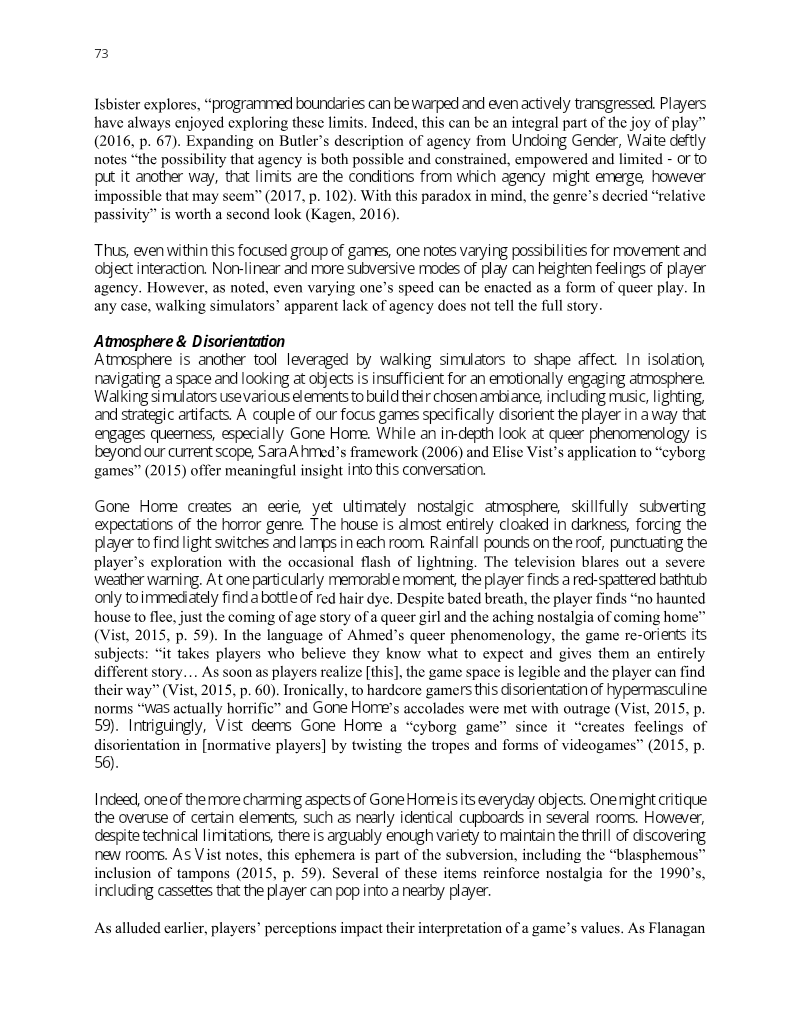
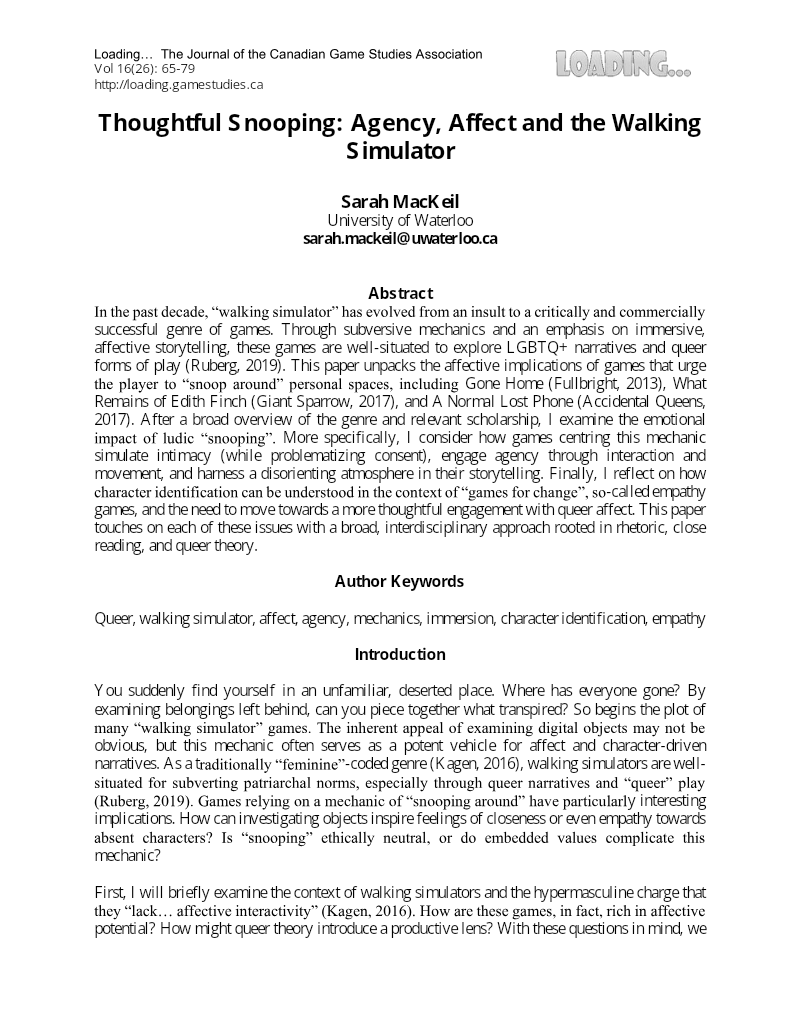
Loading... The Journal of the Canadian Game Studies Association · 2024
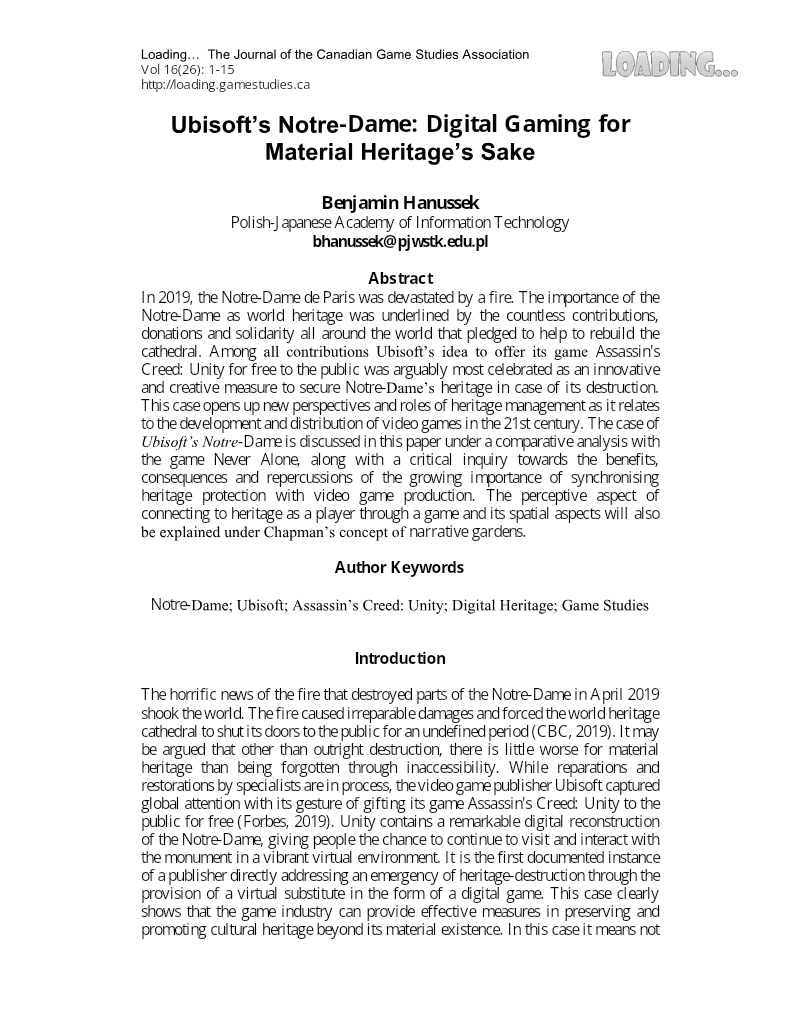
Loading... The Journal of the Canadian Game Studies Association · 2024
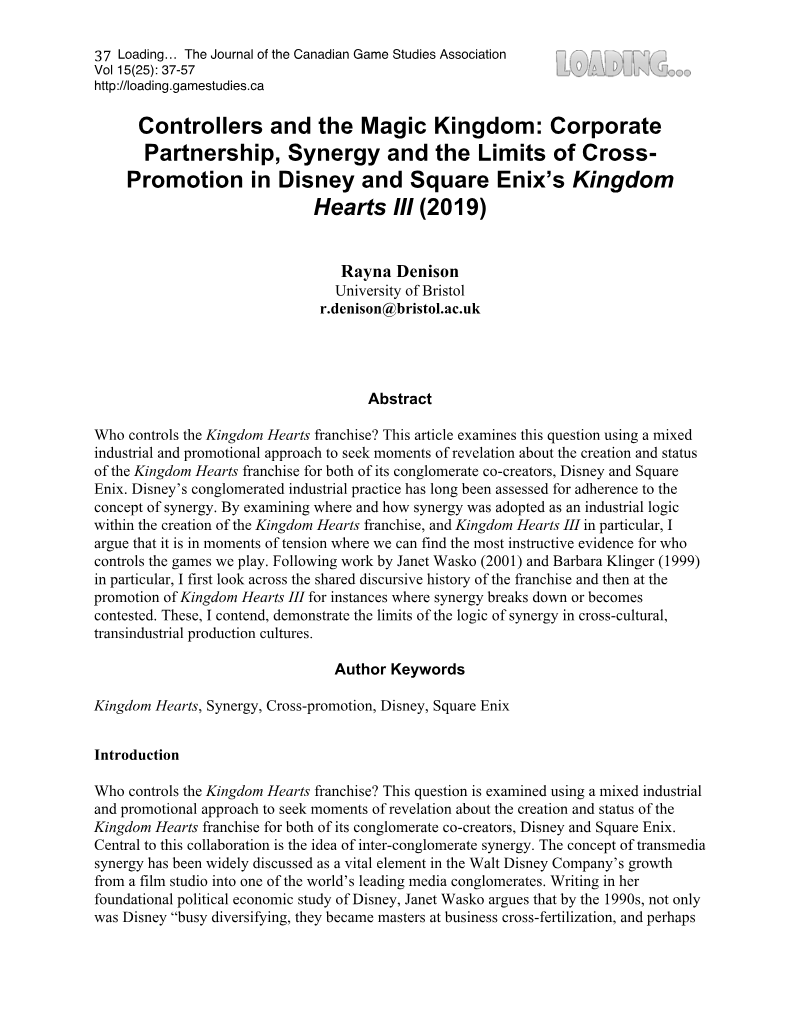
Loading... The Journal of the Canadian Game Studies Association · 2022
Loading... The Journal of the Canadian Game Studies Association · 2022
DiGRA · 2026