1 free read left. Create a free account for unlimited reading + AI research.
Create free accountWhitepaper International Journal of Serious Games
1 free read left. Create a free account for unlimited reading + AI research.
Create free accountWhitepaperInternational Journal of Serious Games
Integrating serious gaming into aviation English curricula significantly enhances the acquisition of specialized terminology compared to traditional lecture-based instruction. By utilizing the flight simulator X-Plane 11, prospective pilots benefit from a highly contextualized and immersive learning environment that bridges the gap between theoretical knowledge and practical application. This pedagogical approach fosters experiential learning, allowing students to engage with technical vocabulary in a risk-free, interactive setting that mirrors real-world flight operations.
Quantitative analysis confirms the efficacy of this method, revealing a medium effect size of 0.60 in favor of students who utilized the simulator. These findings are reinforced by qualitative feedback, which indicates that the game’s motivational value and interactive nature contribute to higher levels of student engagement. By providing a student-centered platform, serious gaming serves as a cost-efficient and effective alternative to conventional teaching methods for high-stakes professional fields.
While the current research focuses on a cohort of 30 aviation students, the results suggest that contextualized digital tools are essential for modernizing specialized language training. Future research should expand upon these findings by evaluating learning outcomes across diverse platforms, including mobile applications and virtual reality, to further refine the integration of technology in aviation education. Ultimately, the evidence supports the formal adoption of serious games as a primary component of aviation English instruction, provided that curricula are designed to leverage the unique, immersive benefits of these digital environments.
International Journal of Serious Games · 2026
International Journal of Serious Games · 2026
International Journal of Serious Games · 2026
International Journal of Serious Games · 2026
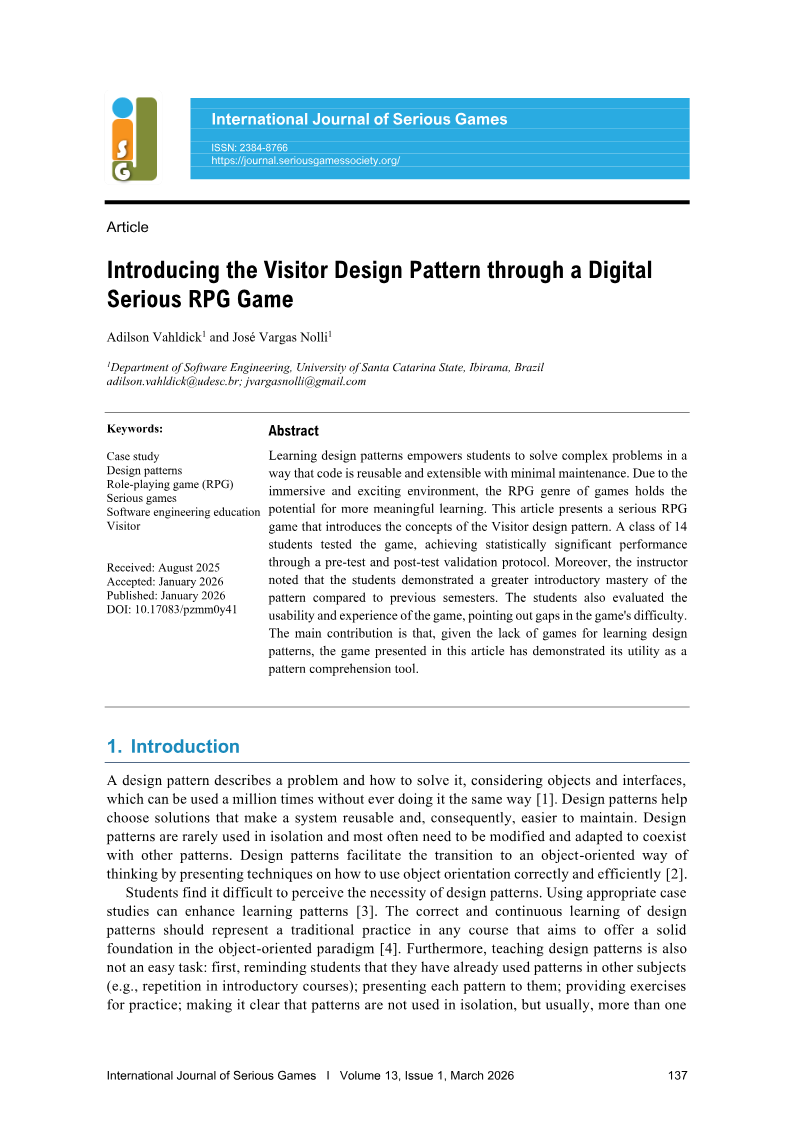
International Journal of Serious Games · 2026
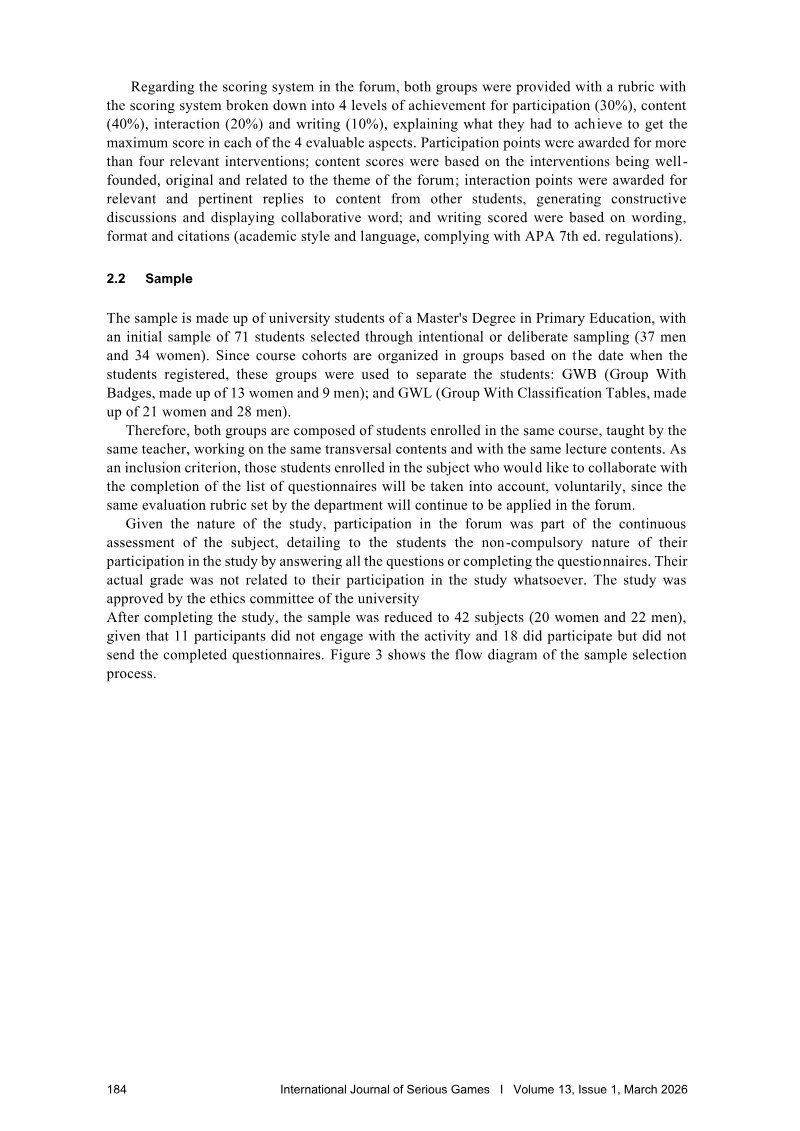
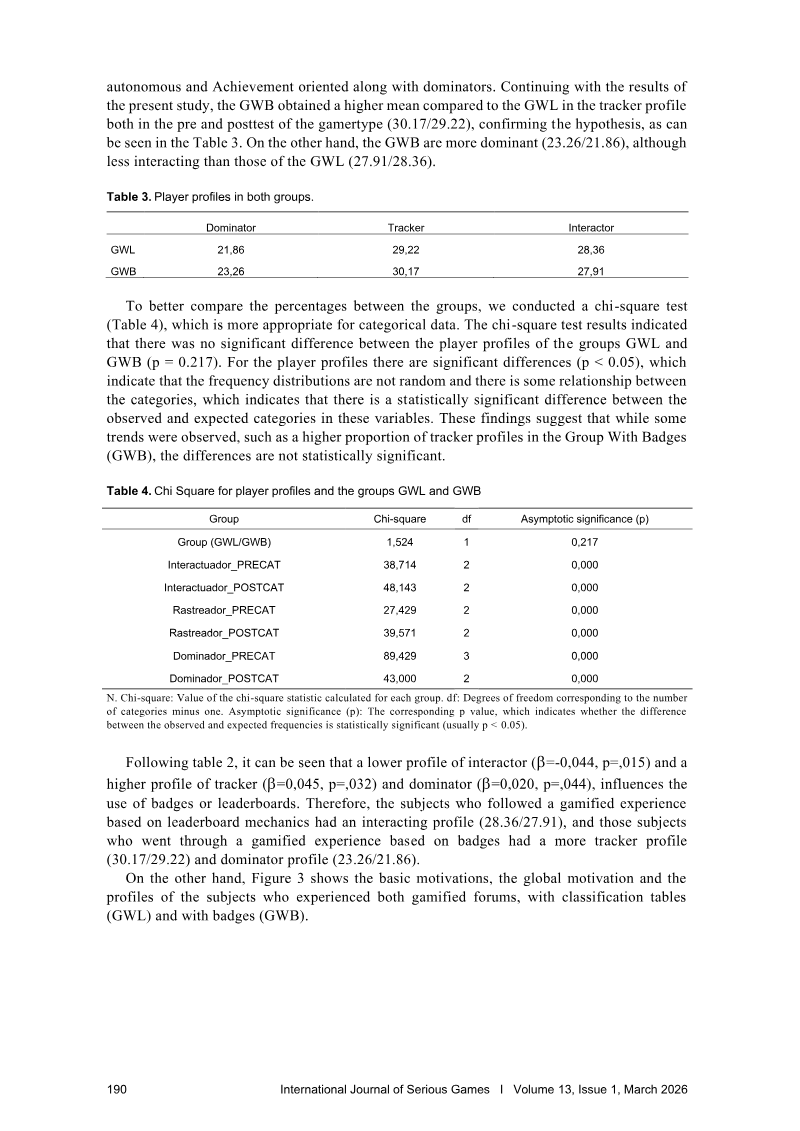
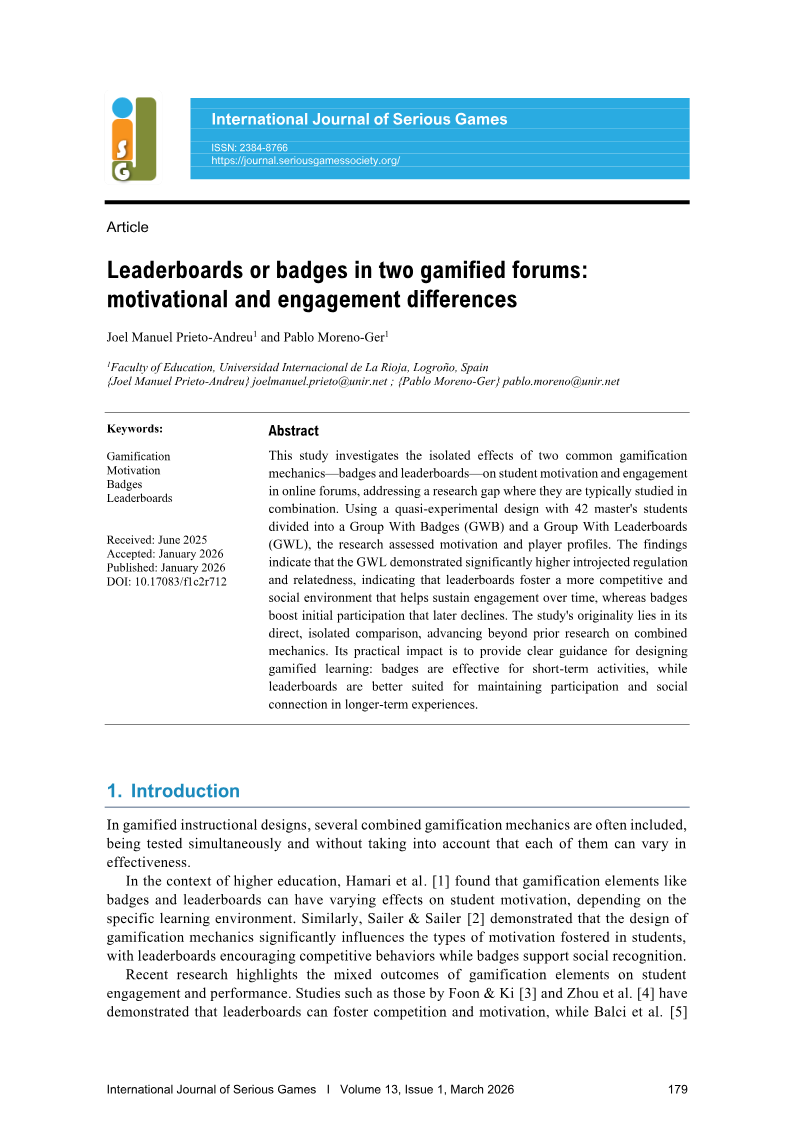
International Journal of Serious Games · 2026
International Journal of Serious Games · 2026
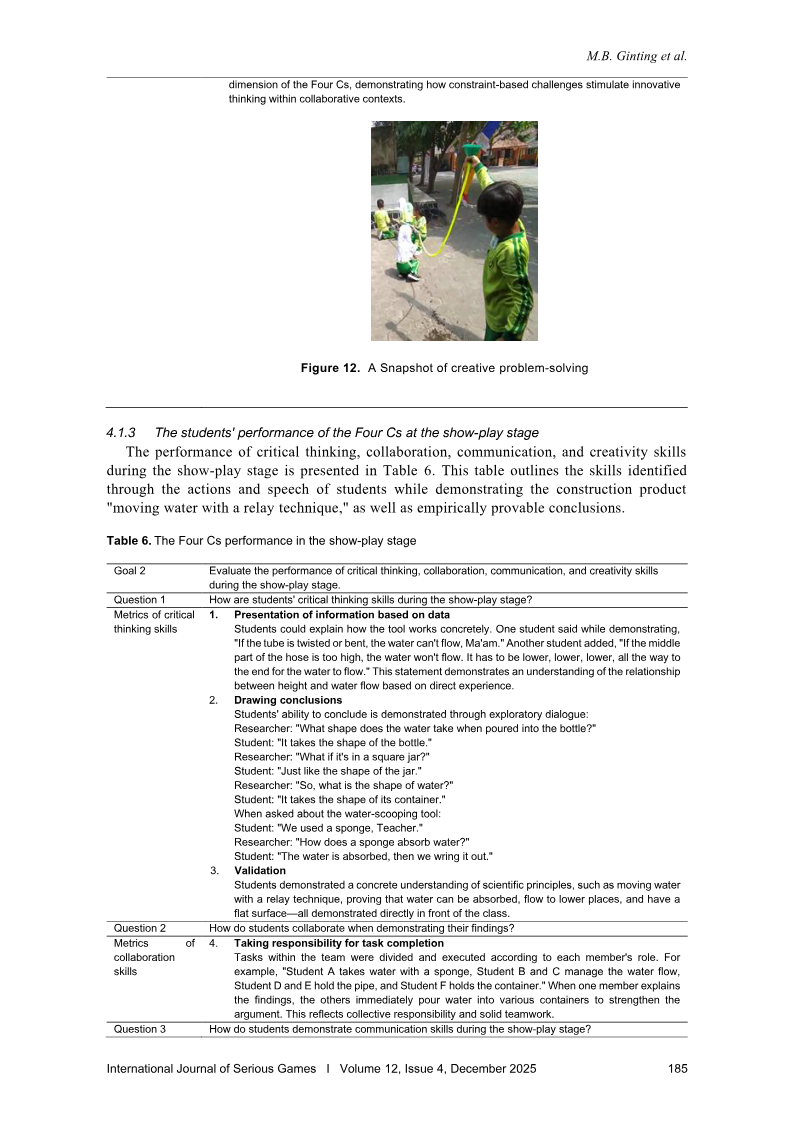
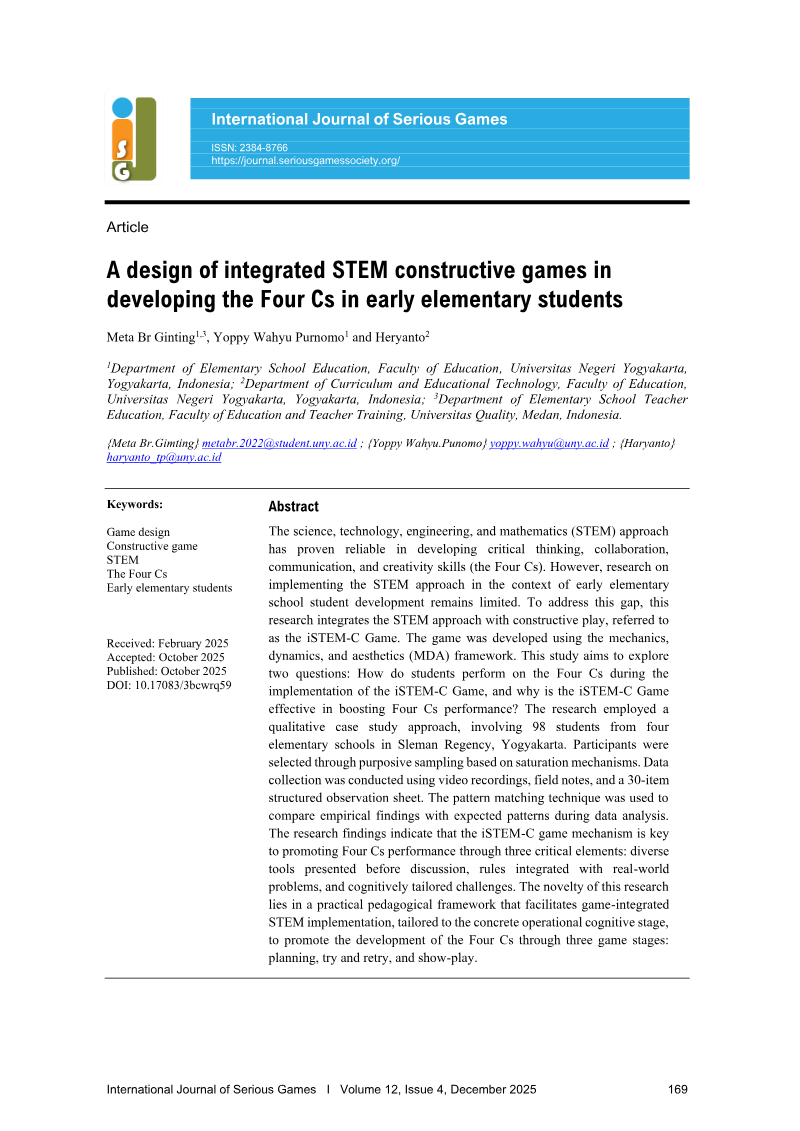
International Journal of Serious Games · 2025
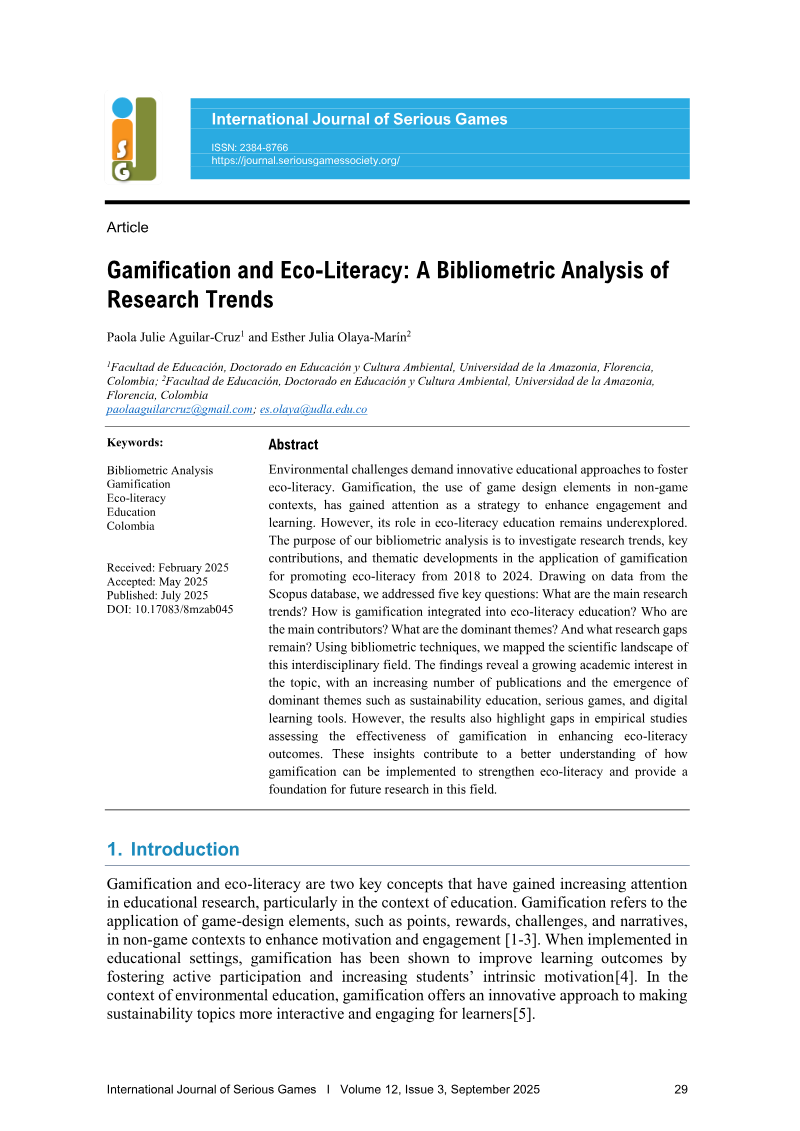
International Journal of Serious Games · 2025
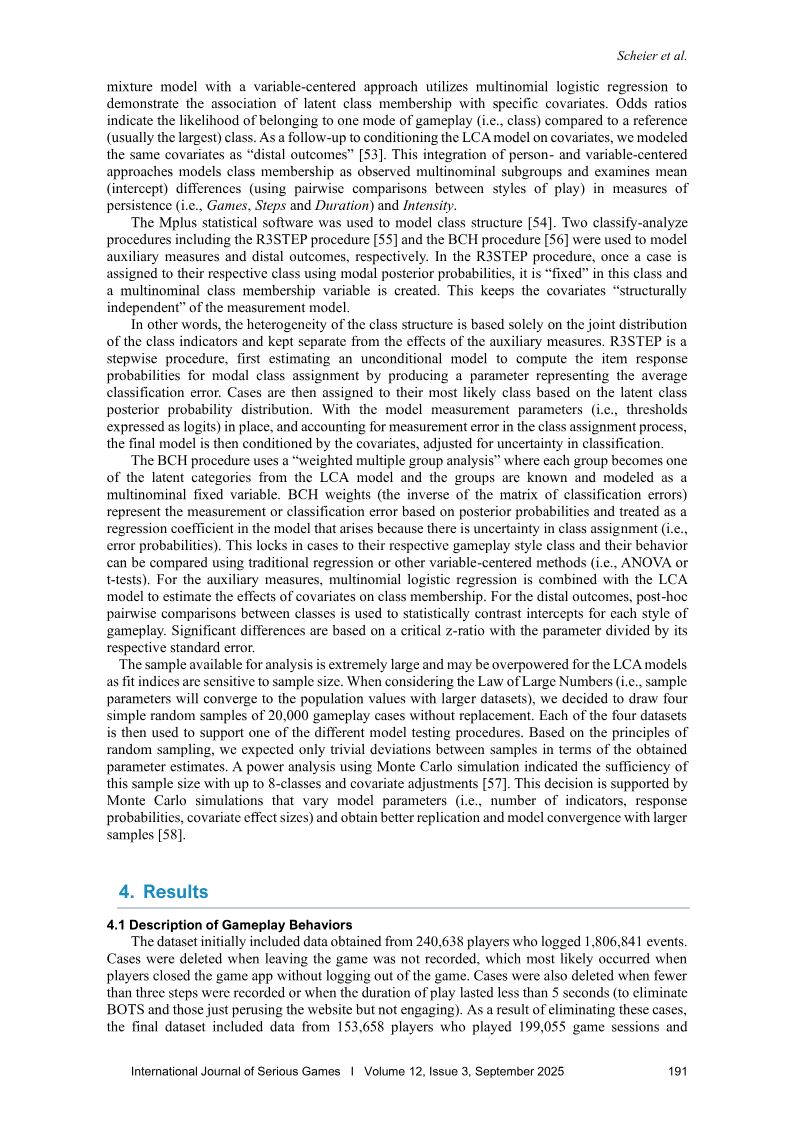
International Journal of Serious Games · 2025
Serious Games Society · 2025
International Journal of Serious Games · 2025
University of Toronto · 2026