1 free read left. Create a free account for unlimited reading + AI research.
Create free accountWhitepaper DiGRA
1 free read left. Create a free account for unlimited reading + AI research.
Create free accountWhitepaperDiGRA
The game's Steam ratings place it near an even split between recommended and not recommended. The study analyzed roughly 26,000 English-language reviews from that pool.
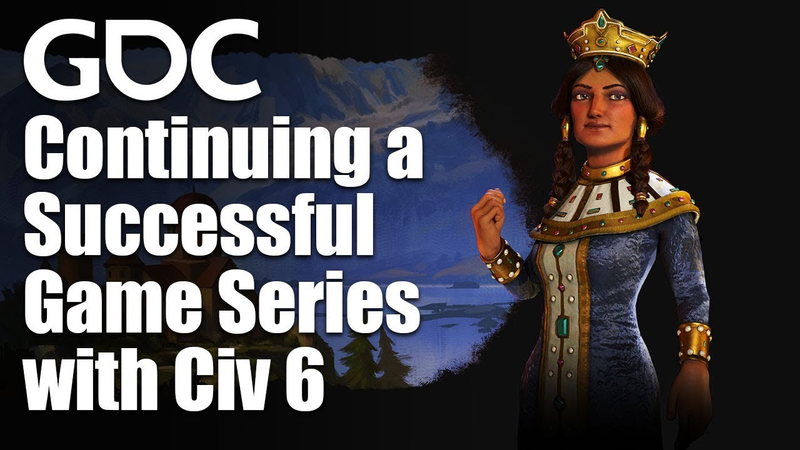
A study of player reception to Sid Meier's Civilization VII examines why the latest entry in a 35-year-old franchise received mixed reviews, a rare departure for the series. Combining computational and interpretive methods, the authors analyze roughly 26,000 English-language Steam reviews collected in December 2025, out of more than 50,000 total ratings, which place the game near an even split between recommended and not recommended. The researchers first apply BERTopic topic modeling to surface dominant themes, then use a semantic classifier built on MPNet embeddings to categorize reviews by stance, and finally conduct close reading of 300 randomly selected reviews to interpret how players articulate their reactions.
The findings show that comparison with earlier Civilization titles dominates the discourse, appearing in about 59 percent of reviews, while unfinished or polish issues account for roughly 11 percent and resistance to change for about 7.5 percent. Recurring complaints target a minimalist user interface and the new Age Transitions mechanic, which resets the map and introduces era-specific goals and civilizations. Close reading reveals that players often frame their objections through long-term familiarity with the franchise, though many reviewers also welcome the changes as refinement rather than simplification.
The authors interpret this reception through Sid Meier's "Rule of Thirds" design philosophy, which holds that one third of the series remains constant, one third receives small adjustments, and one third is open to major redesign. The argument is that Civilization VII shifts this balance more aggressively than previous installments, and that its Age Transitions alter how history itself is structured within the game. The study concludes that the reception raises broader questions about how long-running game series balance innovation against the historically grounded expectations their past designs have established.
Each row is a game or company this document names, each column a document, oldest first. A mark means that document names it. Select a row to see those documents.

DiGRA · 2026

DiGRA · 2026



DiGRA · 2026



DiGRA · 2026



DiGRA · 2026



DiGRA · 2026



DiGRA · 2026



DiGRA · 2026

DiGRA · 2026



DiGRA · 2026



DiGRA · 2026

DiGRA · 2026
DiGRA · 2024