The gaming industry is currently undergoing a significant correction, characterized by a shift away from the high-profile mergers and acquisitions that defined previous years toward a focus on operational efficiency and innovative distribution models. While mobile gaming continues to see localized consolidation, the broader interactive entertainment sector is increasingly fragmented. The industry is no longer a monolithic entity; rather, it comprises distinct segments that operate on different timelines and economic logics, necessitating a more nuanced understanding of market trends beyond simple consolidation metrics.
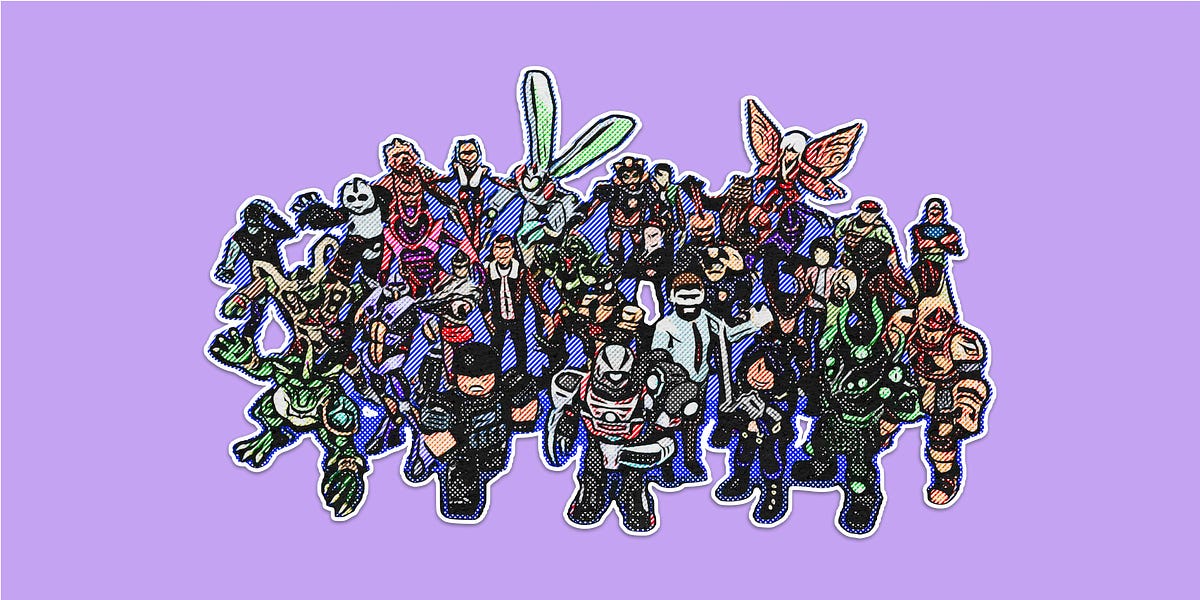
A primary driver of this evolution is the rise of platforms like Roblox, which has achieved unprecedented scale, recently reaching 47.4 million peak concurrent users. This growth represents a fundamental shift in digital culture, where the value proposition has moved from polished, blockbuster-style experiences to rapid-fire, disposable, and intentionally exclusionary content. These platforms thrive on a "brainrot" aesthetic—frenetic, meme-driven, and nonsensical experiences that prioritize community belonging for insiders while deliberately alienating mainstream audiences. This model inverts traditional media strategies that seek the broadest possible appeal, signaling a departure from the product-based models of the early 2000s.
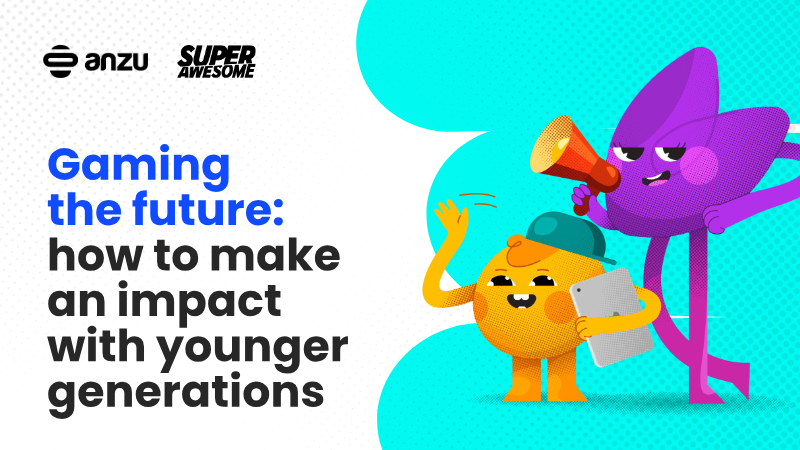
This transition highlights a generational divide in how digital spaces are consumed and valued. Younger users, accustomed to a landscape saturated with AI-generated content and rapid-cycle media, demonstrate little reverence for traditional production values. Instead, they favor excessive, chaotic, and highly social interactive experiences. As incumbent entertainment firms struggle to replicate this authenticity, the industry faces a clear choice: continue pursuing traditional, broad-audience franchises or embrace the chaotic, exclusionary, and high-velocity future that is already capturing significant market share. This shift suggests that the future of digital entertainment will be defined by its ability to foster intense, niche-driven engagement rather than universal appeal.