1 free read left. Create a free account for unlimited reading + AI research.
Create free accountArticle Sensor Tower
1 free read left. Create a free account for unlimited reading + AI research.
Create free accountArticleSensor Tower
There is a notable shift from custom, studio-specific engines towards more versatile, scalable, and widely supported external development platforms.
It's like moving from building custom cars for every race to using standardized, high-performance models.
Key Shift. The industry is shifting away from proprietary, in-house engines towards third-party solutions for PC and console development.
The game engine landscape is undergoing a significant transformation as the traditional dominance of in-house, custom-built engines among AAA studios gives way to third-party solutions. While Unity and Unreal Engine remain the primary pillars of the industry, the market is experiencing a notable shift in adoption patterns across PC, console, and mobile platforms. The core thesis of the analysis is that while Unity maintains a strong foothold—evidenced by its presence in over half of all games released on Steam—it faces mounting competitive pressure from both ends of the development spectrum.
Unreal Engine is successfully capturing market share from custom-built engines, increasingly becoming the preferred choice for high-fidelity AAA development. Simultaneously, Unity is being challenged at the lower end of the market by the rise of Godot, which is gaining traction among independent and smaller-scale developers. Despite recent industry discourse regarding Unity’s pricing policies, the engine has largely retained its market share for the time being, though the long-term impact of these controversies remains a focal point for future industry trends.
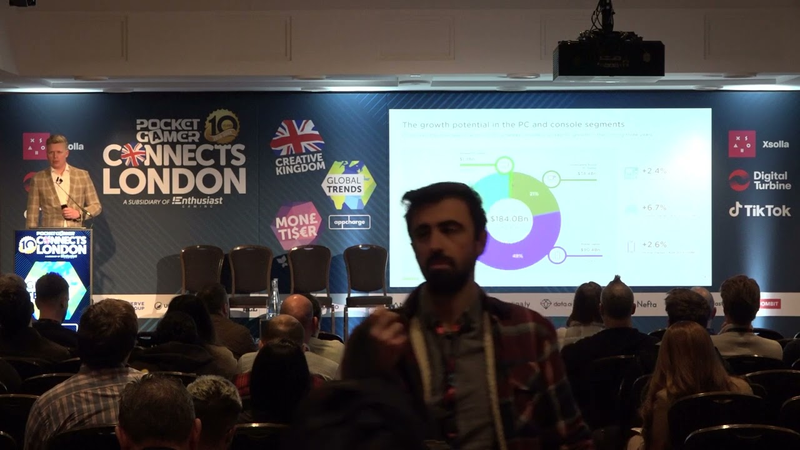
The analysis provides a comprehensive overview of the state of game engines as of early 2025, utilizing data-driven insights to categorize market share by sub-genre and development scale. By examining the migration away from proprietary technology toward standardized third-party engines, the findings highlight a broader industry trend toward efficiency and accessibility. This shift suggests a future where the reliance on custom, studio-specific engines continues to decline in favor of more versatile, scalable, and widely supported external development platforms.
The games and companies this document names on the inner ring, other documents about them on the outer one. Select a cover to see it up close and open it in a new tab; drag to move, pinch or Ctrl + scroll to zoom.

Sensor Tower · 2026
Sensor Tower · 2026
Sensor Tower · 2026
Sensor Tower · 2026
Sensor Tower · 2026
Sensor Tower · 2026
Sensor Tower · 2026
Sensor Tower · 2026
Sensor Tower · 2026
Sensor Tower · 2026
Sensor Tower · 2026

Sensor Tower · 2026
Deconstructor of Fun · 2025