
ArticleSuperJoost
Training Data: Arresting Development for the Sake of Going Slow
6 Apr 2023~9 min full read
This analysis explores the tension between rapid technological advancement and the growing societal impulse to decelerate, framed against significant shifts in the global gaming landscape. It posits that as innovations in transportation, social media, and artificial intelligence reach a point of "ravenous" entry into daily life, they inevitably trigger regulatory and social pushback. Examples include the Parisian ban on electric scooters, UK fines against TikTok for child data protection breaches, and Italy’s temporary suspension of ChatGPT. These events suggest a maturing phase where the "ceaseless march" of technology is being intentionally slowed to address safety, privacy, and ethical concerns.
In the gaming sector, the thesis focuses on the aggressive consolidation of the industry and the emergence of new geographic power centers. A primary data point is the $4.9 billion acquisition of mobile publisher Scopely by the Saudi Arabian government’s Savvy Games Group. This move is part of a broader $38 billion investment strategy by the Saudi Public Investment Fund (PIF) to transform the region into a global gaming hub. Currently, the PIF holds $20.3 billion in gaming assets, including significant stakes in Nintendo, Activision, and Embracer Group. Despite geopolitical and human rights concerns raised by some industry players, the data indicates a 9.3 percent year-over-year increase in the value of PIF’s public game holdings.
The scope of the analysis is global, covering market movements in the Middle East, Europe, and North America during early 2023. It utilizes financial reports, acquisition data, and regulatory filings to evaluate the health of major entities like Embracer Group—which saw sales rise from $17 million in 2014 to $1.6 billion—and CD Projekt, which reported a 21 percent revenue increase. The methodology relies on synthesizing current events with financial performance metrics to conclude that the gaming industry is entering a phase of maturity characterized by massive capital deployment and heightened geopolitical relevance.

SuperJoost · 2026

SuperJoost · 2026
SuperJoost · 2026
SuperJoost · 2026

SuperJoost · 2026

SuperJoost · 2026
SuperJoost · 2026

SuperJoost · 2026

SuperJoost · 2026
SuperJoost · 2026

SuperJoost · 2026

SuperJoost · 2026
Konvoy · 2023

Aream & Co · 2026
Drake Star Partners · 2026
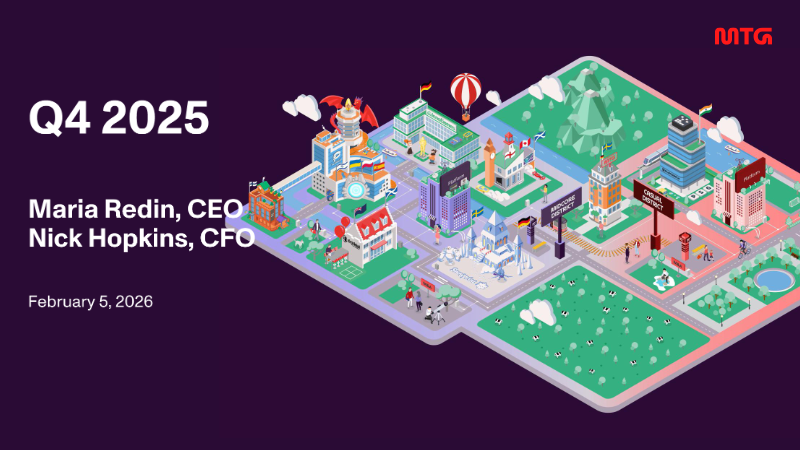
Modern Times Group · 2026
Drake Star Partners · 2025
Drake Star Partners · 2025
DDM · 2025
Drake Star Partners · 2025

Thunderful · 2025
Digital Development Management · 2025
DDM · 2025
DDM · 2025