
ArticleSuperJoost
One Up: Competition, Creativity, and the Global Business of Video Games
1 Oct 2020~2 min full read
The global video game industry has transitioned from a niche hobby into a dominant mainstream entertainment medium by aligning creative game design with innovative business strategies. Success in this sector is not merely the result of technical prowess or artistic vision but stems from a company’s ability to apply the same level of ingenuity to its commercial operations as it does to its software development. This evolution is characterized by a shift from the sale of physical goods to digital downloads and the rise of the games-as-a-service model, which allows titles to maintain long-term cultural and financial relevance.
The analysis draws upon three decades of empirical data covering over 200 game companies, including major industry stakeholders such as Tencent, Sony, Microsoft, and Epic Games. By examining the strategic decisions of these platform holders and publishers, the research identifies how firms navigate competition and capture the cultural zeitgeist. Key case studies of massive commercial successes like Fortnite and Pokémon GO illustrate how modern gaming companies leverage data and strategic intelligence to manage global audiences and sustain profitability in a rapidly changing landscape.
The scope of this study is global and cross-segment, encompassing mobile gaming, console ecosystems, and PC distribution platforms. It dispels common industry myths by synthesizing academic research with primary financial data and executive insights. Ultimately, the findings suggest that the most successful entities in the digital era are those that embrace transparency, adapt to shifting distribution methods, and treat business strategy as a creative discipline essential for survival in the most dynamic sector of the entertainment industry.
SuperJoost · 2026

SuperJoost · 2026
SuperJoost · 2026

SuperJoost · 2026

SuperJoost · 2026

SuperJoost · 2026
SuperJoost · 2026

SuperJoost · 2026

SuperJoost · 2026
SuperJoost · 2026

SuperJoost · 2026
SuperJoost · 2026

Coda · 2026
Ubisoft · 2025

Koei Tecmo · 2024

Bandai Namco · 2021
data.ai · 2018
GREE · 2014

InvestGame
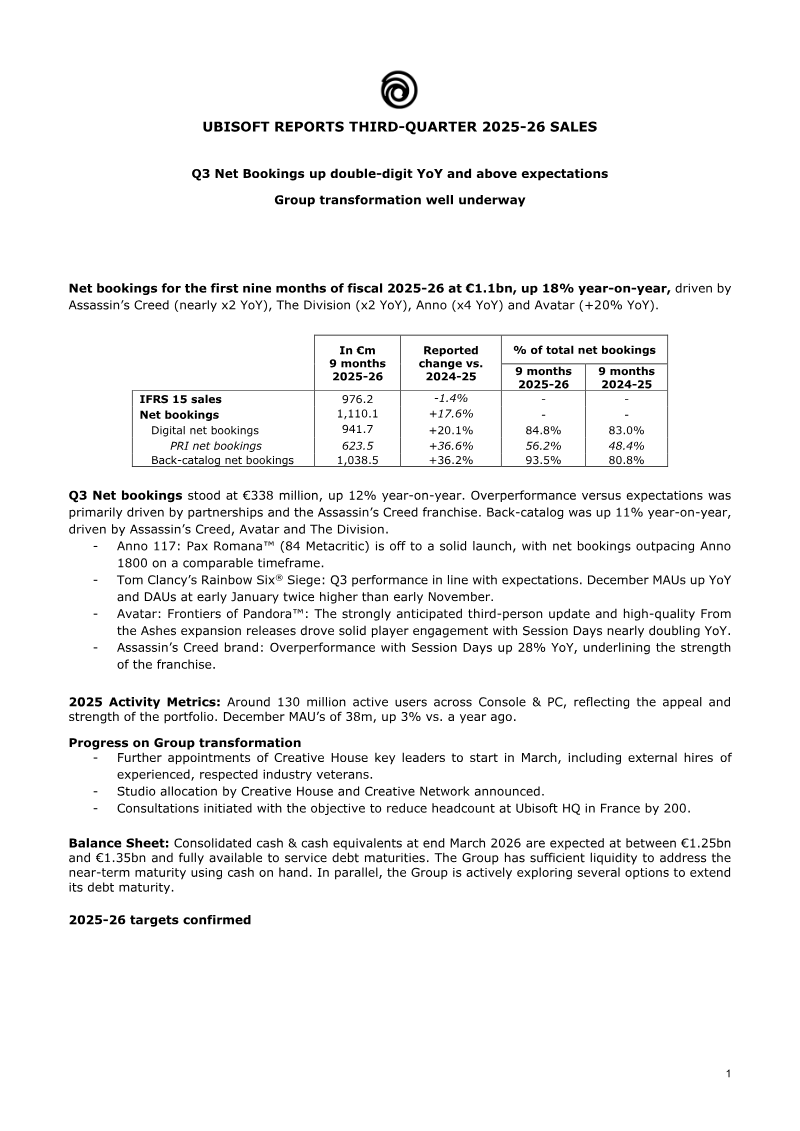
Ubisoft
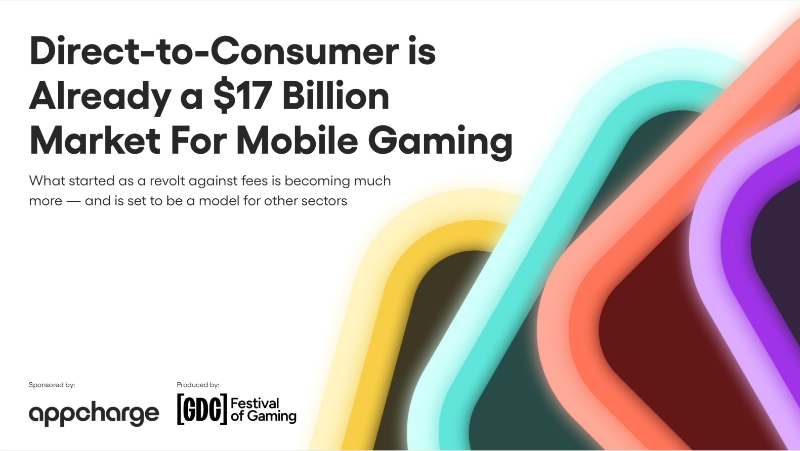
Appcharge

IGN Entertainment · 2026

Almedia · 2026

Gamesight · 2026