ArticleSuperJoost
The Biggest Game Companies in 2020: A Change in Market Leadership and Platform Power
1 Apr 2021~8 min full read
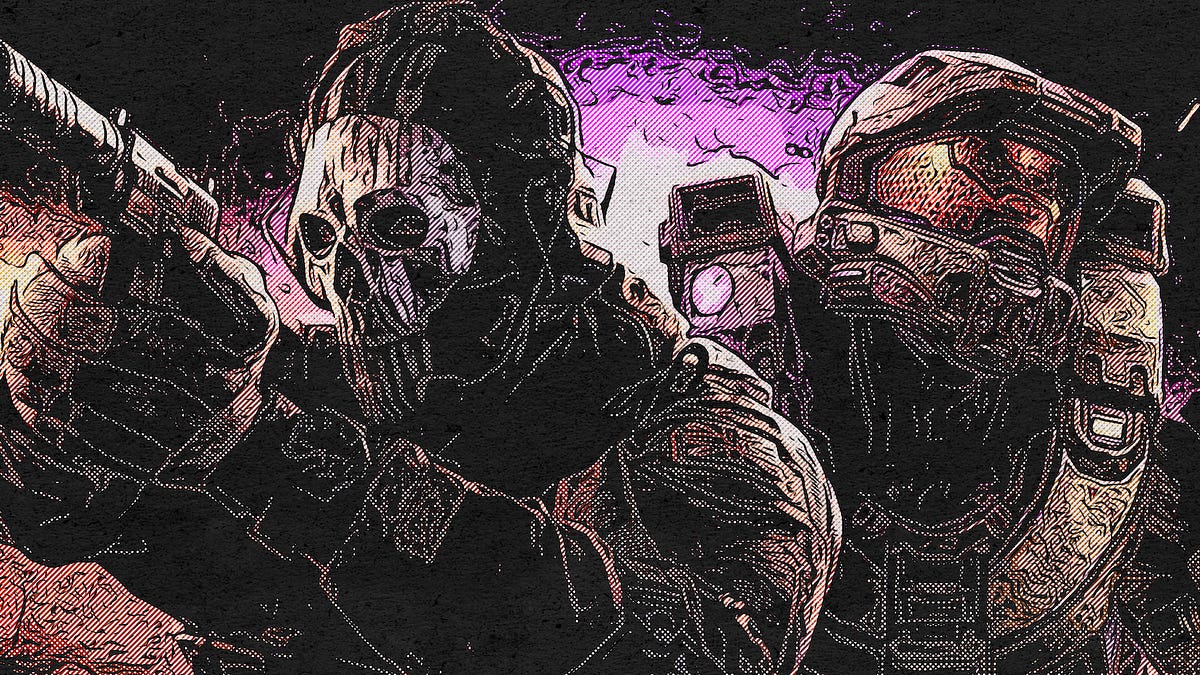
The global gaming industry underwent a significant structural shift in 2020, driven by rapid digitalization and the mainstream adoption of gaming during the pandemic. Analysis of annual earnings reveals that the top ten gaming firms grew their collective revenue by 257% over the last decade, rising from $33.4 billion in 2010 to $119.1 billion in 2020. This growth highlights a transition in market leadership where platform holders now exert more power than traditional publishers. Six of the top ten companies—Tencent, Sony, Apple, Microsoft, Nintendo, and Google—are categorized as platform holders, collectively generating $92 billion in 2020 revenue.
The geographic landscape of the industry is also changing, with Chinese firms Tencent and NetEase securing dominant global positions. Tencent alone reported $74 billion in total revenue for 2020, with its gaming division bolstered by mobile hits like Honor of Kings and PUBG Mobile. However, this rise in Chinese market share coincides with increasing geopolitical tensions. New regulations, such as the Holding Foreign Companies Accountable Act in the United States, threaten to fragment the industry, potentially forcing a "homecoming" for Chinese firms like Bilibili to the Hong Kong Stock Exchange.
Beyond the major conglomerates, the industry is seeing a surge in investment toward user-generated content and independent studios. Manticore Games recently secured $100 million to compete with Roblox, while veteran developers from firms like Blizzard are increasingly leveraging cheap capital to form independent ventures. This trend suggests a growing disintermediation between creative talent and large publishers. Meanwhile, established Japanese entities like Capcom and Nintendo continue to see record performance, driven by high-profile software releases and strong hardware sales during the global health crisis.
SuperJoost · 2026

SuperJoost · 2026
SuperJoost · 2026
SuperJoost · 2026

SuperJoost · 2026

SuperJoost · 2026
SuperJoost · 2026

SuperJoost · 2026
SuperJoost · 2026
SuperJoost · 2026

SuperJoost · 2026
SuperJoost · 2026

Aream & Co · 2026
Drake Star Partners · 2026

Modern Times Group · 2026
Drake Star Partners · 2025

Drake Star Partners · 2025
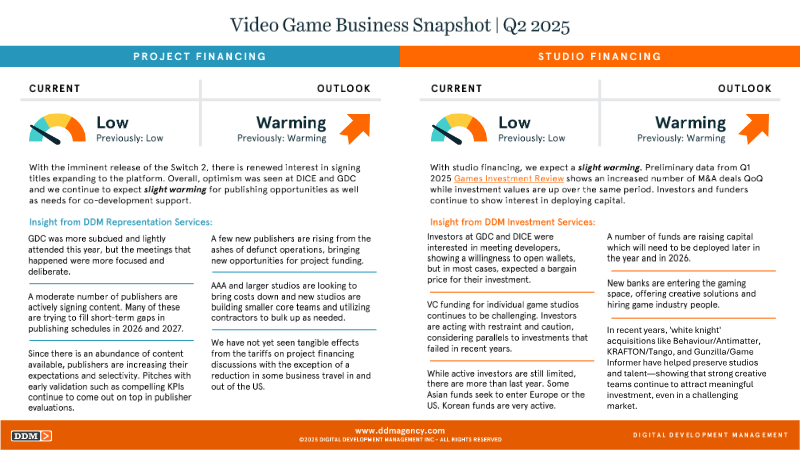
DDM · 2025
Drake Star Partners · 2025
Digital Development Management · 2025
DDM · 2025
Thunderful · 2025
DDM · 2025
Aream & Co · 2025