
The Federal Trade Commission’s decision to block Meta’s $400 million acquisition of Within, the developer of the VR fitness app Supernatural, signals a significant shift in antitrust enforcement. This action reflects a new regulatory philosophy that seeks to intervene in emerging markets before dominant firms can stifle competition, rather than waiting for industries to mature. While the VR fitness market remains relatively small and speculative, the move suggests that regulators are increasingly wary of large tech conglomerates using their capital to consolidate power in nascent sectors.
This regulatory scrutiny extends beyond Meta to the broader gaming and tech landscape, particularly as gaming becomes a mainstream cultural pillar. The analysis suggests that the FTC’s aggressive stance on VR could serve as a bellwether for other major industry moves, such as Microsoft’s proposed acquisition of Activision Blizzard. If the government successfully argues that early-stage market dominance justifies intervention, it may create significant legal hurdles for future consolidation in cloud gaming and other frontier technologies.
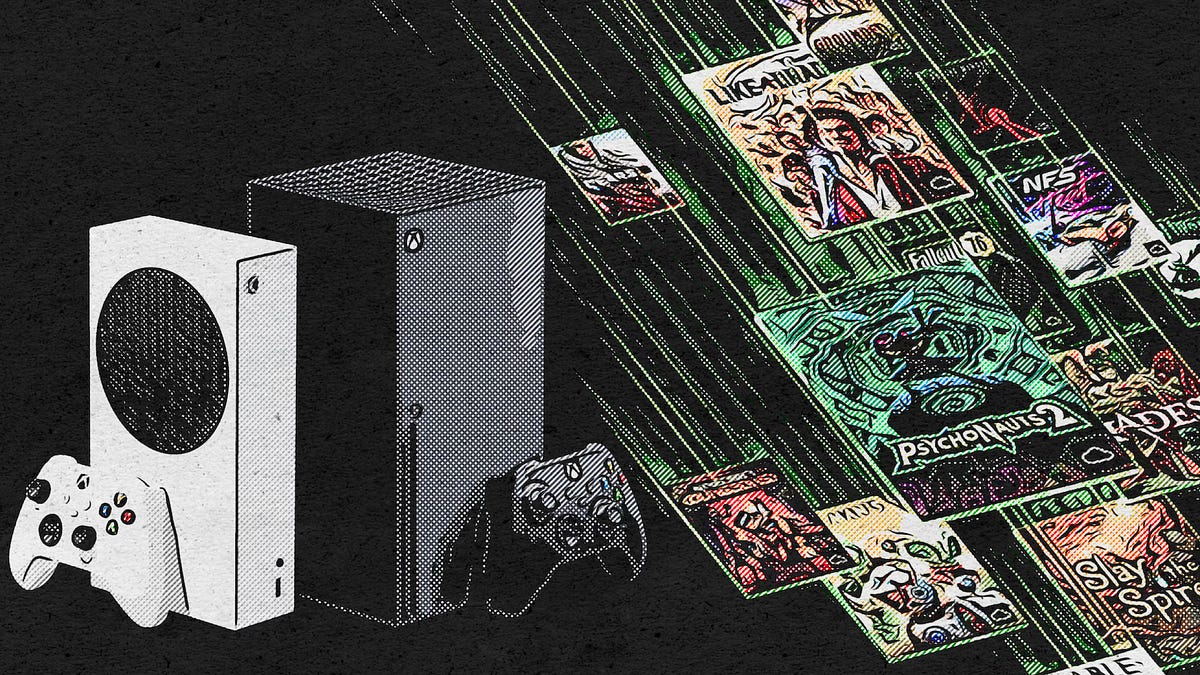
The industry is simultaneously navigating a period of post-pandemic normalization characterized by softening earnings and macroeconomic headwinds. Data from major players like Sony, Nintendo, and Electronic Arts show a decline in software sales and hardware supply constraints. While Microsoft has seen growth through its subscription services, which offer consumer value during inflationary periods, the overall market is cooling. Despite this slowdown, the competition for talent remains fierce, with firms like Roblox offering high salaries to secure developers as non-endemic brands increasingly seek to establish a presence in the gaming ecosystem. This transition marks the end of a period of unprecedented growth, forcing the industry to adapt to a more challenging economic and regulatory climate.
SuperJoost · 2026

SuperJoost · 2026
SuperJoost · 2026
SuperJoost · 2026

SuperJoost · 2026

SuperJoost · 2026
SuperJoost · 2026

SuperJoost · 2026
SuperJoost · 2026
SuperJoost · 2026
SuperJoost · 2026
SuperJoost · 2026
Konvoy · 2022
Drake Star Partners · 2026
Aream & Co · 2026
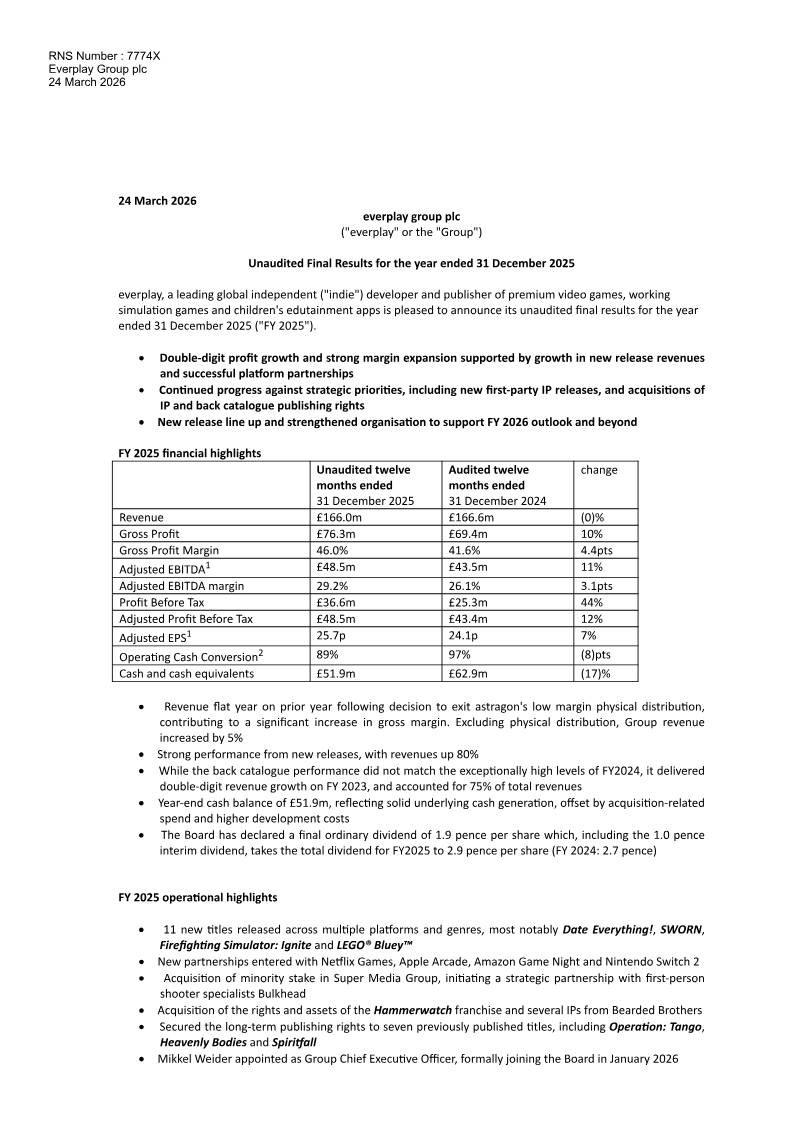
Everplay Group · 2026
Modern Times Group · 2026
Epyllion · 2026
Drake Star Partners · 2025
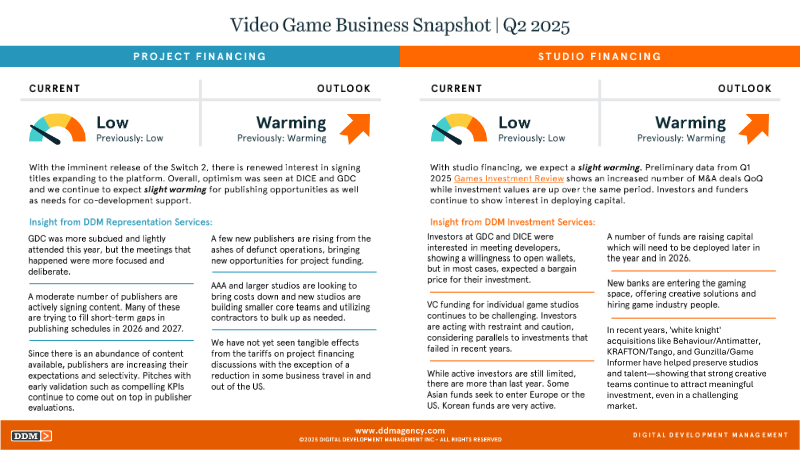
DDM · 2025
Drake Star Partners · 2025
Drake Star Partners · 2025
DDM · 2025
Digital Development Management · 2025