
ArticleSuperJoost
Playtika's $2 Billion Bet: Rolling the Dice on Inorganic Growth
26 Sept 2024~9 min full read
This analysis examines the strategic implications of Playtika’s $2 billion acquisition of SuperPlay, positioned against a backdrop of broader mobile gaming trends and recent corporate performance. The primary thesis suggests that while Playtika has historically relied on inorganic growth—with nine of its eleven top titles being acquisitions—current market conditions characterized by high user acquisition costs and softening demand may challenge the efficacy of this legacy strategy.
The scope of the data covers Playtika’s financial performance through Q2 2024, noting a 2.5% year-over-year revenue decline to $627 million and a drop in average daily paying users from 307,000 to 298,000. Despite these headwinds, the SuperPlay deal involves a $700 million upfront payment with earnouts reaching $1.25 billion, targeting the future potential of titles like Dice Dreams and Domino Dreams. This follows a successful historical pattern where the acquisitions of Wooga and SuperTreat generated over $1.2 billion in combined revenue, yielding an estimated $768 million gain after initial costs.
The methodology relies on financial reporting, stock analyst sentiment, and comparative industry spending data. A critical finding highlights a discrepancy in operational efficiency: Playtika spends approximately 18% of revenue on user acquisition, whereas SuperPlay’s spending is estimated to be three times higher. While management anticipates profitability by 2025, the analysis concludes with skepticism, suggesting that in a commodified market like social casino gaming, distribution innovation may now be more vital for long-term sustainability than simple portfolio expansion.
SuperJoost · 2026

SuperJoost · 2026
SuperJoost · 2026
SuperJoost · 2026

SuperJoost · 2026
SuperJoost · 2026
SuperJoost · 2026

SuperJoost · 2026

SuperJoost · 2026
SuperJoost · 2026
SuperJoost · 2026
SuperJoost · 2026
Modern Times Group · 2026

Sensor Tower · 2025
GREE · 2011

InvestGame

InvestGame
GREE
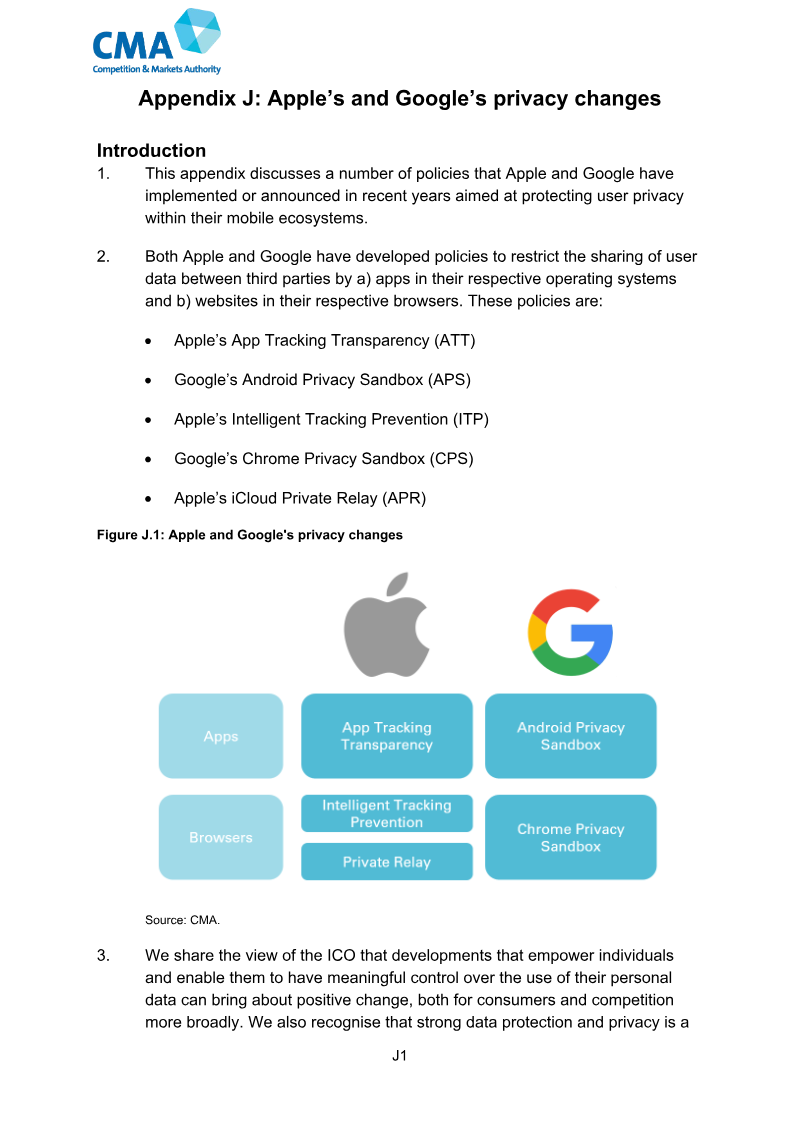
Competition · 2026
Bryter · 2026
Almedia · 2026
GameAnalytics · 2026
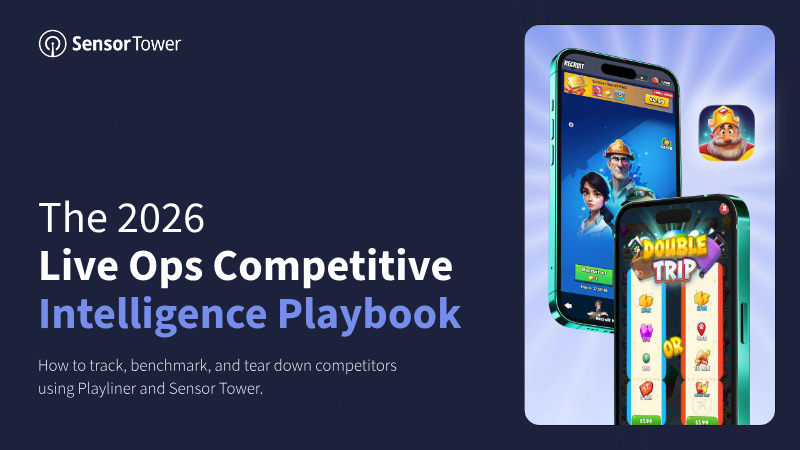
Sensor Tower · 2026
Sensor Tower · 2026