The gaming industry entered 2022 amidst a period of intense consolidation and technological transition, characterized by record-breaking deal activity and the emergence of blockchain integration. A primary focus is the $12.7 billion acquisition of Zynga by Take-Two Interactive, a transaction that sets a new valuation high for the industry. This move strategically repositions Take-Two by increasing its mobile revenue from 12 percent to 50 percent of total earnings, providing a healthier alternative to competitors facing internal cultural crises and strengthening its leverage against major platform holders like Apple.
Beyond traditional consolidation, the sector is grappling with the integration of Web3 technologies. While crypto markets have experienced significant volatility, blockchain gaming companies raised over $1.6 billion in the first three quarters of 2021. The current landscape suggests a shift from a "honeymoon phase" of easy capital to a more rigorous period where firms must prove product viability and fun in the face of rising inflation and competition. This transition is expected to favor industry underdogs and visionaries capable of execution over those merely skilled at fundraising.
Blockchain technology is proposed as a solution to several systemic issues on the industry's supply side. Key areas for improvement include the creation of decentralized metadata ledgers to ensure transparency in creator credits, and the implementation of automated compensation systems to better distribute revenue across flat, studio-based organizational structures. Furthermore, blockchain could facilitate global unionization efforts and provide developers with direct marketing signals through NFT airdrops, reducing reliance on intermediaries. Ultimately, the industry is moving away from a "star system" toward more complex, collaborative production models that require updated infrastructure to protect creative workers and manage risk.
SuperJoost · 2026

SuperJoost · 2026
SuperJoost · 2026
SuperJoost · 2026
SuperJoost · 2026
SuperJoost · 2026
SuperJoost · 2026

SuperJoost · 2026
SuperJoost · 2026
SuperJoost · 2026
SuperJoost · 2026
SuperJoost · 2026
Drake Star Partners · 2022
Aream & Co · 2026
Drake Star Partners · 2026
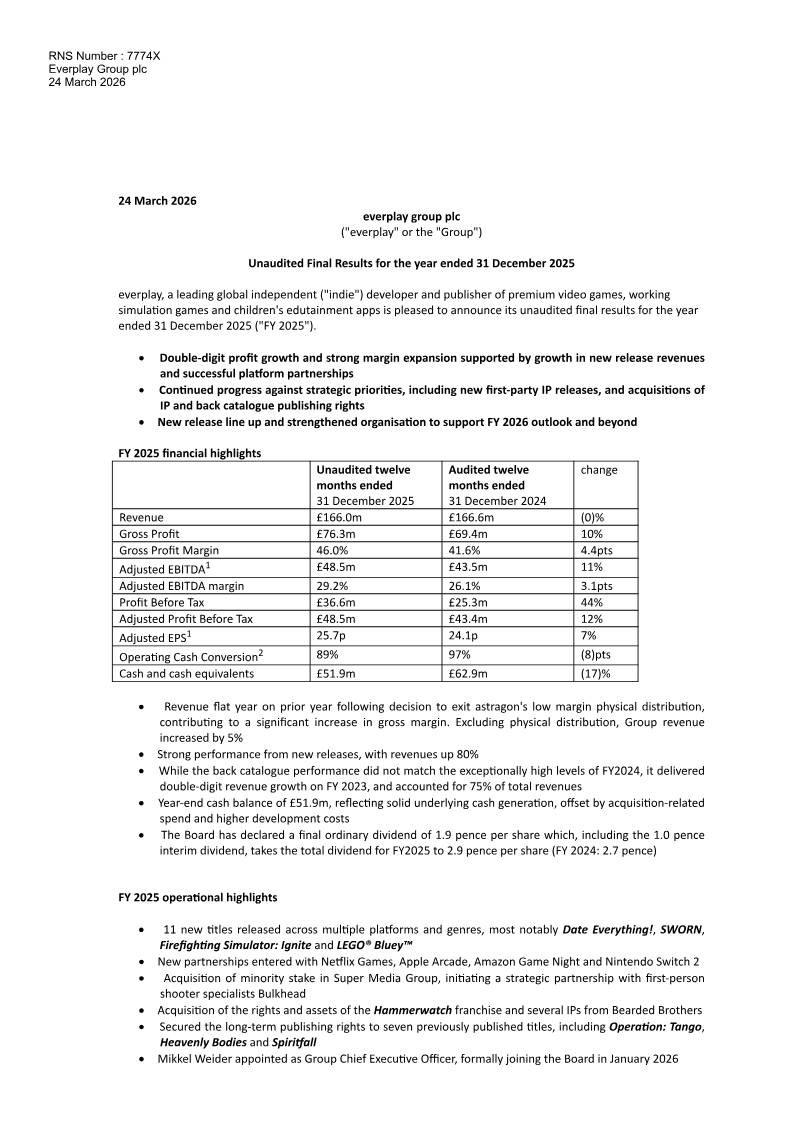
Everplay Group · 2026

Modern Times Group · 2026
Drake Star Partners · 2025
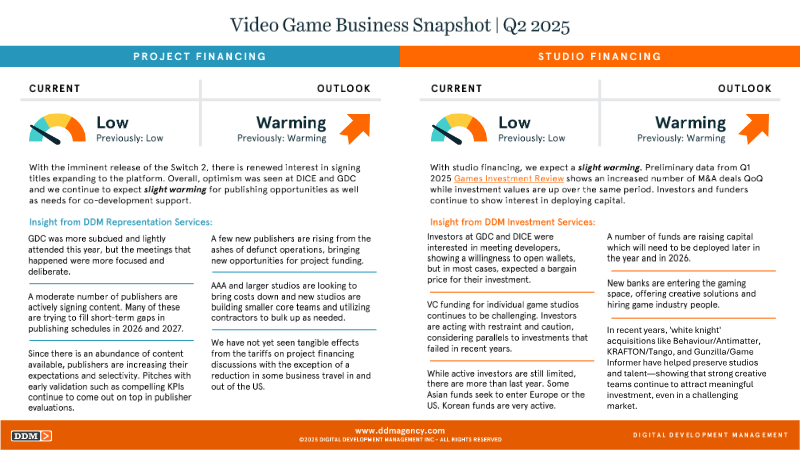
DDM · 2025
Drake Star Partners · 2025
Drake Star Partners · 2025
DDM · 2025
Thunderful · 2025
Digital Development Management · 2025