
This analysis explores Netflix’s strategic positioning and potential expansion into the video games industry. It posits that while Netflix has successfully leveraged gaming intellectual property for linear content—citing hits like The Witcher and Castlevania—a full-scale entry into game publishing faces significant structural hurdles. The primary thesis suggests that the gaming market has evolved from a commodity-based model to an asset-based one, where success is measured by long-term user engagement rather than one-time sales, a shift that complicates Netflix’s traditional content-dump strategy.
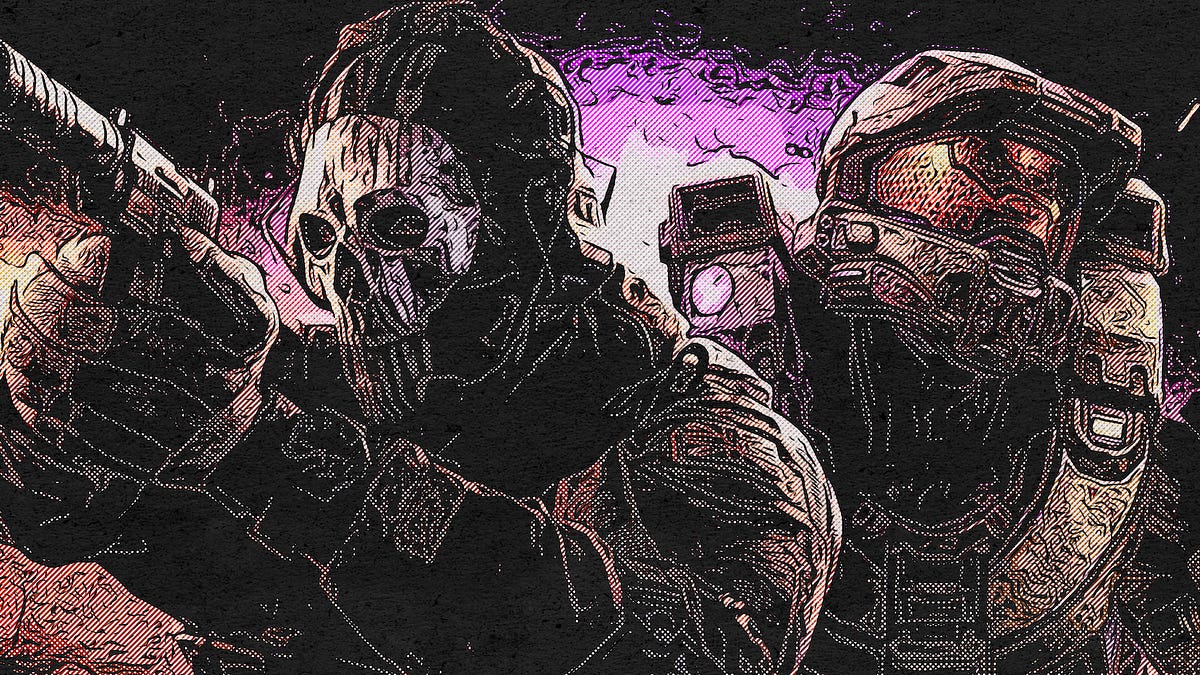
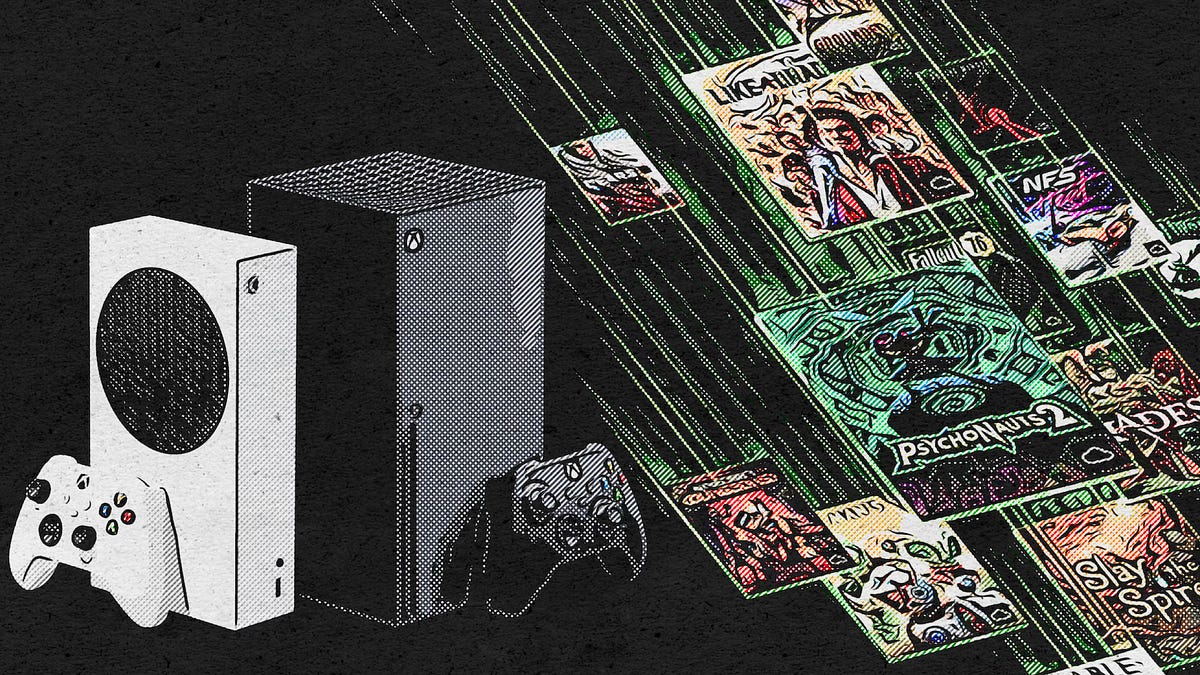
Key findings highlight the competitive landscape, noting that Netflix enters a market already occupied by "apex predators" such as Sony, Microsoft, and Tencent. Specifically, Microsoft’s Game Pass is identified as a direct competitor that has already claimed the "Netflix of gaming" mantle with over 18 million subscribers. Data points regarding other industry players are also included, such as Roblox’s 2021 performance metrics, which showed a slight decline in daily active users to 43 million and a 3% drop in average bookings per user, signaling a potential cooling of the pandemic-era gaming boom.
The scope of the analysis covers the global games and streaming industries circa mid-2021, with specific focus on North American tech giants and Japanese anime trends. It concludes that for Netflix to succeed, it must move beyond being a mere financier of content. Suggested paths forward include vertical integration through studio acquisitions, acting as a venture capital fund for mobile developers, or focusing on deepening franchise lore to future-proof its subscription model against more interactive forms of entertainment.

SuperJoost · 2026

SuperJoost · 2026
SuperJoost · 2026

SuperJoost · 2026

SuperJoost · 2026

SuperJoost · 2026
SuperJoost · 2026

SuperJoost · 2026

SuperJoost · 2026
SuperJoost · 2026

SuperJoost · 2026
SuperJoost · 2026

IGN Entertainment · 2026
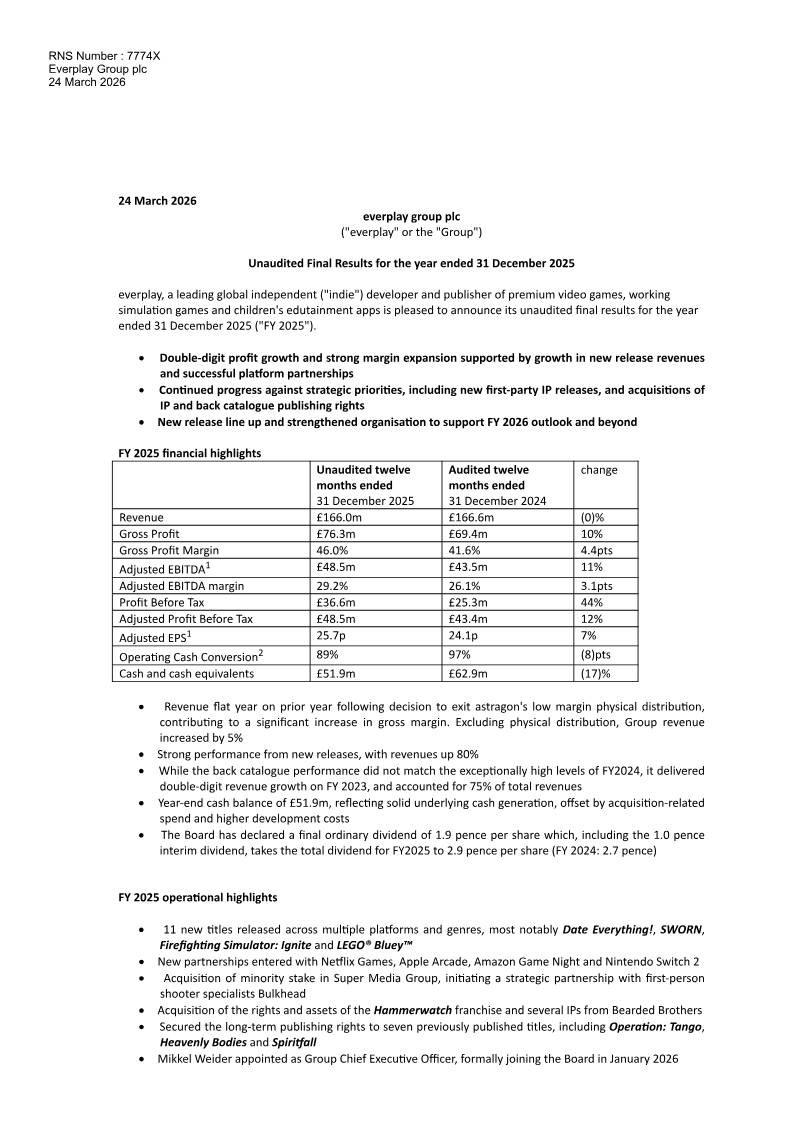
Everplay Group · 2026
Capcom · 2026

Square Enix · 2026

Coda · 2026

InvestGame · 2025
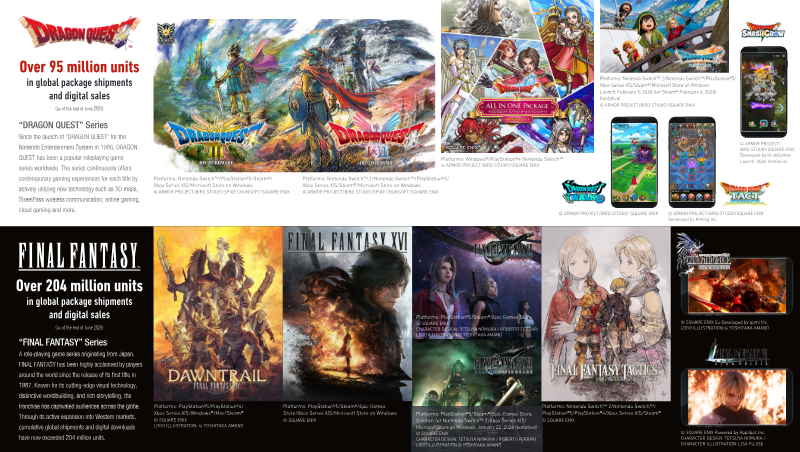
Square Enix · 2025
Rokky · 2025
Stream Hatchet · 2025
CD Projekt · 2025
Stream Hatchet · 2025

Koei Tecmo · 2025