
ArticleSuperJoost
Mobile Gaming's New Data Monopoly: How a $300M Acquisition Will Reshape Market Intelligence
28 Mar 2024~13 min full read
Sensor Tower’s acquisition of its primary competitor, data.ai, represents a significant consolidation of the mobile market intelligence sector. This $300 million deal, financed through debt and private equity, effectively creates a data monopoly that threatens to stifle innovation and increase operational costs for mobile game developers. By absorbing its main rival and immediately laying off 50 percent of the data.ai workforce, Sensor Tower has positioned itself as the primary gatekeeper of the analytics required to navigate an increasingly expensive user acquisition landscape.
The consolidation arrives at a precarious time for the $261 billion global games industry. Major incumbents like Microsoft and Sony are currently focused on internal restructuring and profitability following massive acquisitions and disappointing hardware cycles. Meanwhile, the mobile sector faces rising entry barriers, with top-tier titles now requiring marketing budgets between $500 million and $1 billion. The loss of a competitive data market removes a critical "Fourth Estate" of transparency, potentially allowing the new monopoly to raise prices and further disadvantage small and medium-sized studios.
Beyond the acquisition, the broader industry is characterized by a shift toward conservative business strategies and regulatory scrutiny. Apple faces significant legal challenges from the U.S. Department of Justice regarding its alleged smartphone monopoly and its historical suppression of cloud gaming services. Simultaneously, traditional retail continues to decline, as evidenced by GameStop’s shrinking software sales and store closures. These trends suggest a transition toward a more closed ecosystem where data access and platform control are the primary levers of power, even as emerging players like Amazon and Netflix attempt to disrupt the established order.

SuperJoost · 2026

SuperJoost · 2026
SuperJoost · 2026

SuperJoost · 2026

SuperJoost · 2026

SuperJoost · 2026
SuperJoost · 2026

SuperJoost · 2026

SuperJoost · 2026
SuperJoost · 2026

SuperJoost · 2026
SuperJoost · 2026
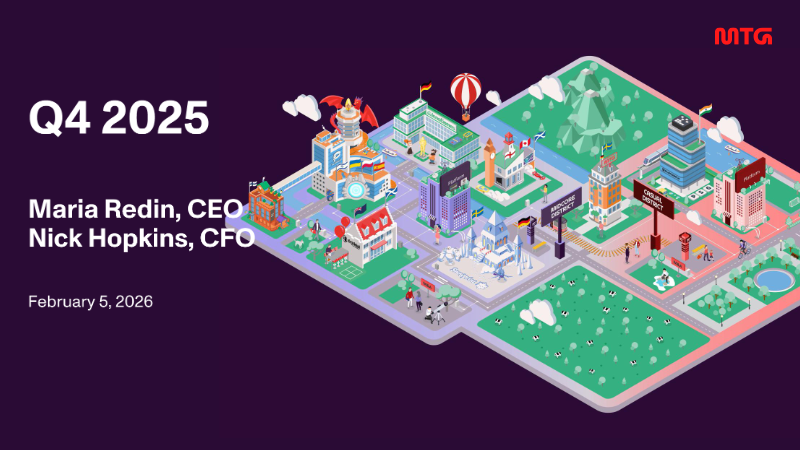
Modern Times Group · 2026
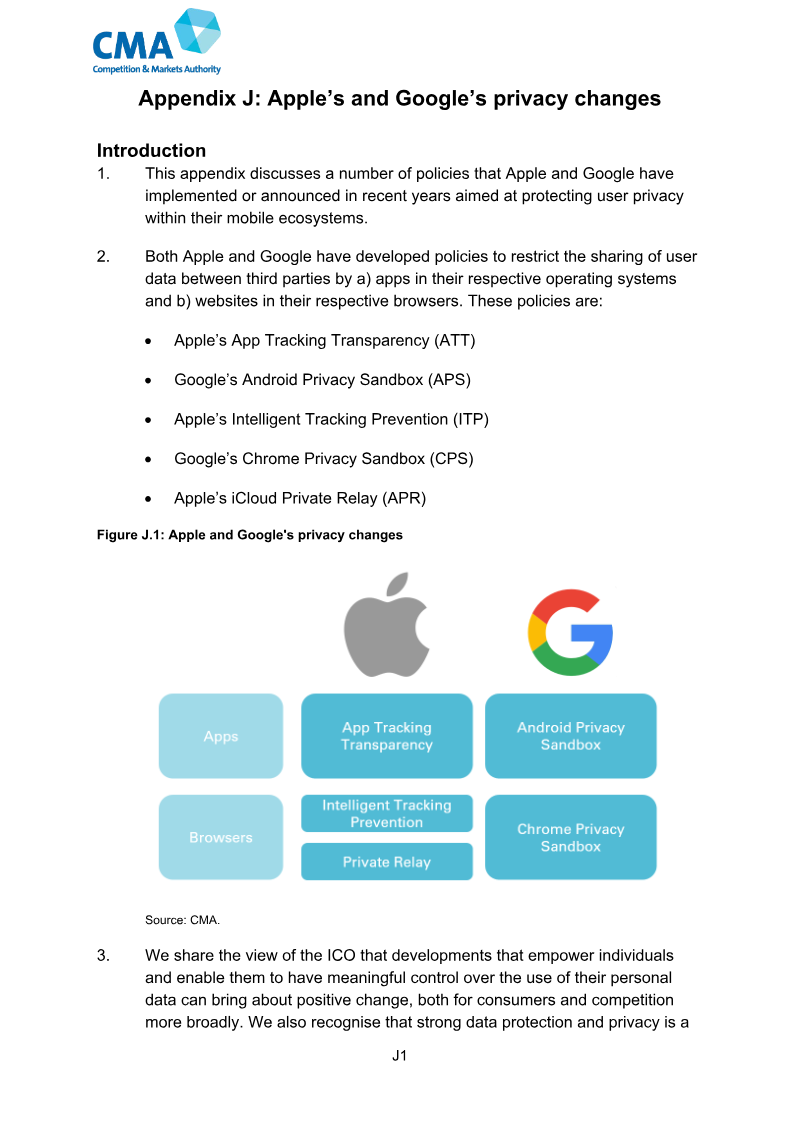
Competition · 2026

Almedia · 2026
Sensor Tower · 2026
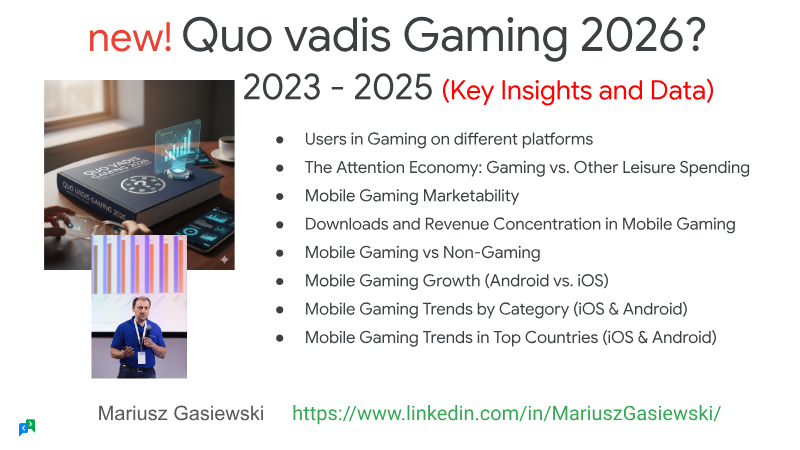
InvestGame · 2026

Adjust · 2026

Adjust · 2025
Unity · 2025

GamingReport · 2025

Sensor Tower · 2025

Sensor Tower · 2025

Adjust · 2025