
The video game industry is undergoing a strategic pivot toward a luxury category model to offset softening demand and rising ecosystem costs. As the market matures, major publishers are shifting their focus from broad user growth to the top one percent of high-value players. This transition mirrors the strategies of high-end fashion and automotive brands, prioritizing profitability and brand prestige over mass-market volume.
Financial data from Electronic Arts (EA) illustrates this trend. Despite year-over-year declines in net bookings across console and PC platforms—down 25% and 21% respectively—the company exceeded analyst expectations by leveraging premium, brand-name properties. The success of titles like College Football 25, which saw 2.2 million players pay a $100 premium for early access, demonstrates that die-hard fans are increasingly price-insensitive. This willingness to pay for quality signals and exclusive access allows publishers to justify higher price points and recurrent spending even in a challenging macroeconomic environment.
The scope of this analysis covers the global interactive entertainment market during the 2024-2025 fiscal cycle, with a specific focus on US-based publishers and major platform holders like Microsoft. The methodology relies on financial earnings reports, market analyst targets from firms like Bank of America and Wedbush Securities, and consumer behavior data. Ultimately, the industry is evolving from a service-based model into a brand-centric one where established intellectual property serves as a necessary insulation against the high costs of user acquisition. The future of the sector likely depends on balancing this upmarket trajectory without alienating the broader player base that initially drove gaming into the mainstream.

SuperJoost · 2026

SuperJoost · 2026

SuperJoost · 2026

SuperJoost · 2026

SuperJoost · 2026

SuperJoost · 2026
SuperJoost · 2026

SuperJoost · 2026

SuperJoost · 2026
SuperJoost · 2026

SuperJoost · 2026
SuperJoost · 2026
Newzoo · 2025
AppFigures · 2025

Ampere Analysis · 2025
Pangle · 2025

Sony Group · 2024

Newzoo · 2024

Newzoo · 2024
Sensor Tower · 2022
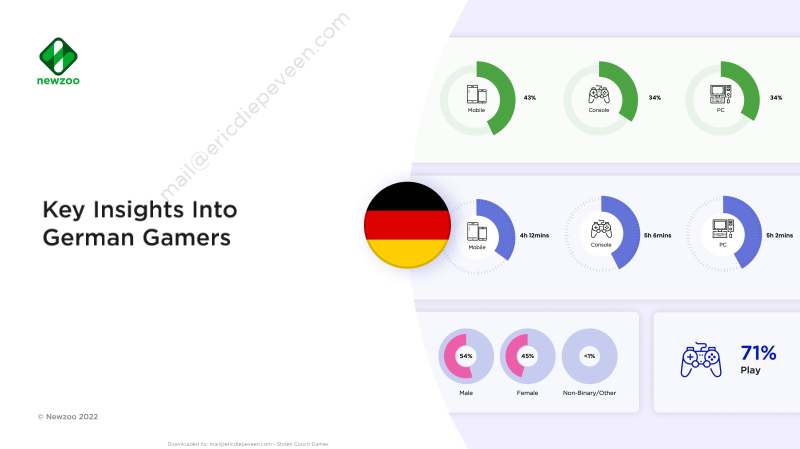
Newzoo · 2022

Newzoo · 2022

Newzoo · 2021

Liftoff · 2020