
ArticleSuperJoost
Insomniac Breach: The Economics of Hacking the Games Business
21 Dec 2023~10 min full read
The Insomniac Games data breach, orchestrated by the Rhysida ransomware group, highlights a significant disconnect between the technical capabilities of hackers and their understanding of the video game industry’s economic fundamentals. After failing to secure a $2 million ransom from Sony, the group released 1.7 terabytes of confidential data, including employee information and long-term product roadmaps. This incident follows similar high-profile breaches at Rockstar Games and Capcom, suggesting a rising trend in cyberattacks targeting major publishers.
The analysis concludes that these attacks often fail to achieve their financial or disruptive goals. Ransomware groups struggle with pricing and market demand, as evidenced by the lack of third-party buyers for the stolen Insomniac data. Furthermore, the "spoiler" effect of leaked concept art and roadmaps often backfires by generating consumer excitement and validating a publisher’s long-term investment strategy rather than damaging brand equity. While leaks cause significant internal distress for developers, they rarely impact long-term commercial success, as seen with the record-breaking engagement for Grand Theft Auto VI following its own leak.
Beyond cybersecurity, the industry is navigating major structural shifts. Google’s $700 million antitrust settlement regarding the Play Store represents a minor financial penalty—roughly 0.3% of annual revenue—but mandates temporary changes to payment ecosystems. Simultaneously, the departure of Bobby Kotick from Activision Blizzard following the Microsoft acquisition marks a cultural turning point for the publisher. Looking toward 2024, the industry faces a transitional year; following a record-breaking 2023, major publishers like Sony, Nintendo, and EA are shifting focus toward research and development and hardware transitions, positioning 2025 as the next major cycle for blockbuster releases.
SuperJoost · 2026

SuperJoost · 2026
SuperJoost · 2026
SuperJoost · 2026
SuperJoost · 2026
SuperJoost · 2026
SuperJoost · 2026

SuperJoost · 2026

SuperJoost · 2026
SuperJoost · 2026

SuperJoost · 2026
SuperJoost · 2026

Coda · 2026
Ubisoft · 2025

Koei Tecmo · 2024
Bandai Namco · 2021
data.ai · 2018
GREE · 2014
InvestGame
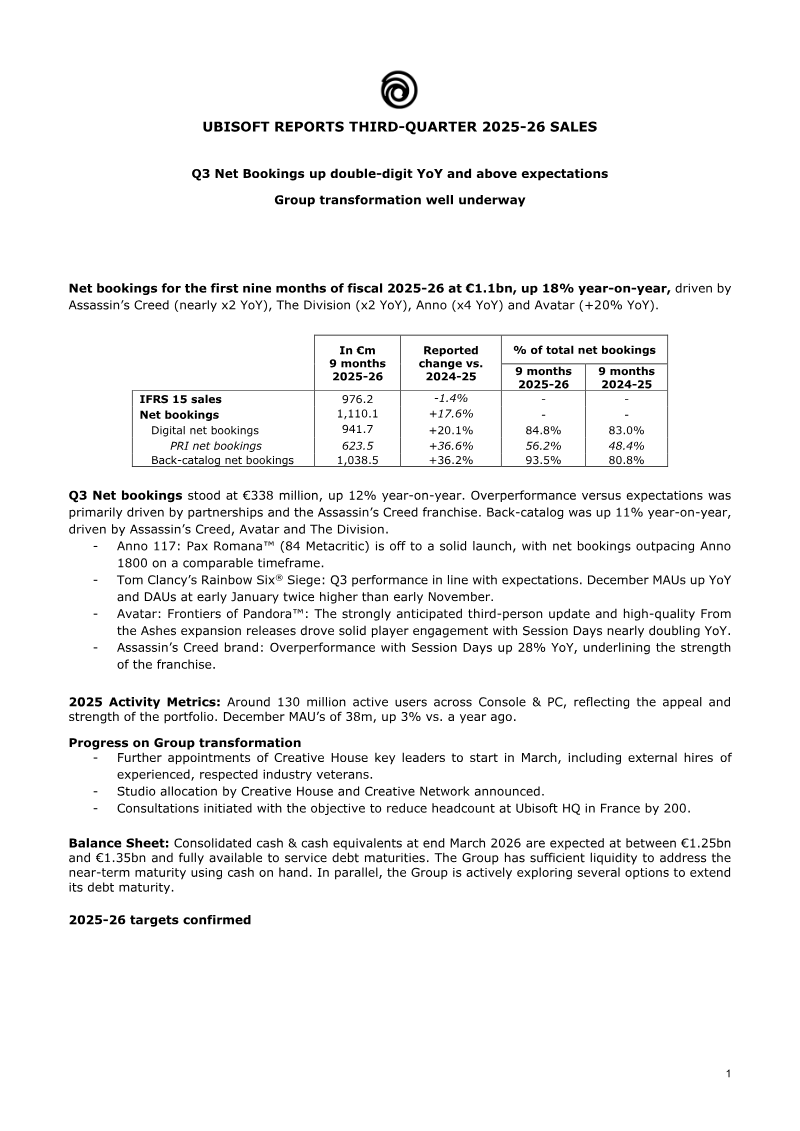
Ubisoft
Appcharge

IGN Entertainment · 2026

Almedia · 2026
Gamesight · 2026