
The primary focus of this analysis is the shifting financial landscape of the global video game industry, specifically highlighting how legacy publishers are leveraging established franchises to navigate a cooling market. The central thesis posits that major intellectual properties remain the most reliable drivers of growth as the industry enters the second half of the current console cycle. This is evidenced by Take-Two Interactive’s 2025 fiscal guidance, which forecasts a $2.5 billion year-over-year revenue increase. Analysts conclude this spike is only achievable through the release of Grand Theft Auto 6, which is projected to sell approximately 25 million units upon its anticipated 2025 launch.
The scope of the analysis covers major global publishers including Nintendo, Microsoft, Activision Blizzard, and Unity, with specific attention paid to regulatory environments in the United Kingdom and the European Union. Data points underscore the resilience of premium pricing; for instance, Nintendo’s The Legend of Zelda: Tears of the Kingdom sold 10 million units in three days despite a $70 price point. Furthermore, the report examines the divergence between the UK’s Competition and Markets Authority and the European Union regarding Microsoft’s $69 billion acquisition of Activision Blizzard, suggesting that regulatory decisions are becoming increasingly influenced by post-colonial politics and a lack of specialized industry knowledge.
Methodologically, the findings are derived from corporate earnings reports, analyst consensus data, and historical sales trends. The analysis notes a broader trend of industry consolidation driven by low valuations of European developers and the aggressive entry of new capital, such as Saudi Arabian investments. While emerging technologies like artificial intelligence dominate current executive discourse, the conclusion remains that organic intelligence and proven franchises continue to dictate the industry's financial health and enterprise value.
SuperJoost · 2026

SuperJoost · 2026
SuperJoost · 2026
SuperJoost · 2026
SuperJoost · 2026

SuperJoost · 2026
SuperJoost · 2026

SuperJoost · 2026

SuperJoost · 2026
SuperJoost · 2026

SuperJoost · 2026
SuperJoost · 2026
Aream & Co · 2026
Drake Star Partners · 2026
Modern Times Group · 2026

Drake Star Partners · 2025
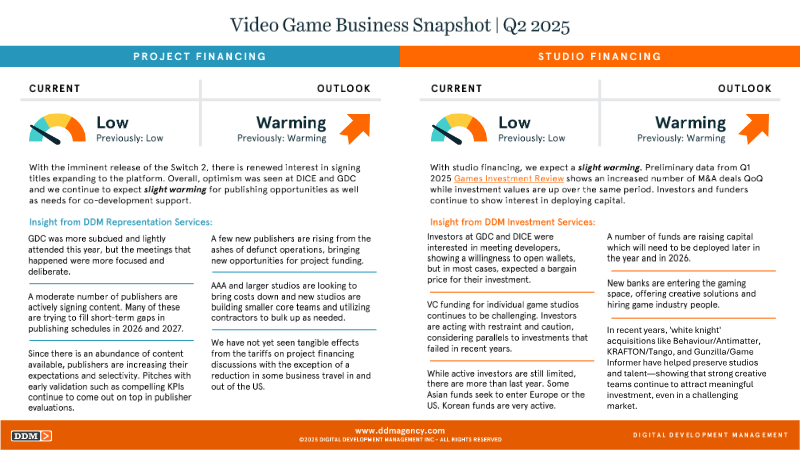
DDM · 2025

Drake Star Partners · 2025

Drake Star Partners · 2025
Digital Development Management · 2025

Thunderful · 2025
DDM · 2025
DDM · 2025
Aream & Co · 2025