
The intersection of high fashion and the metaverse represents a significant shift in digital consumer behavior, driven by the increasing importance of self-expression in shared online environments. As gaming audiences surpass three billion people, digital "vanity items" have evolved from simple cosmetic upgrades into essential tools for social capital and individuality. This trend is particularly prevalent among younger, tech-savvy demographics who view their digital avatars as primary manifestations of their identity.
The fashion industry is increasingly adopting Web3 and gaming technologies to offset declining traditional marketing efficacy and reach global audiences. Key data points highlight the commercial viability of this crossover, such as the South Korean platform Zepeto attracting two million daily active users and a study indicating that 86 percent of consumers who purchase a digital luxury item also buy its physical counterpart. Notable industry movements include the British Fashion Council establishing a "metaverse design" category and major brands like Gucci, Burberry, and Louis Vuitton launching digital-first initiatives or partnerships with platforms like Roblox and Mythical Games.
Technological advancements are currently catching up to these social behaviors through blockchain-based digital authentication and improved creative engines. While regulatory hurdles persist—evidenced by South Korea’s ban on NFT-based games and technical vulnerabilities in blockchain titles like Wolf Game—the momentum toward digital-only fashion houses and "massive interactive live events" continues. Ultimately, the integration of fashion into the metaverse is framed not as a temporary trend, but as a fundamental evolution in how humans communicate and establish status within increasingly complex digital ecosystems.

SuperJoost · 2026

SuperJoost · 2026
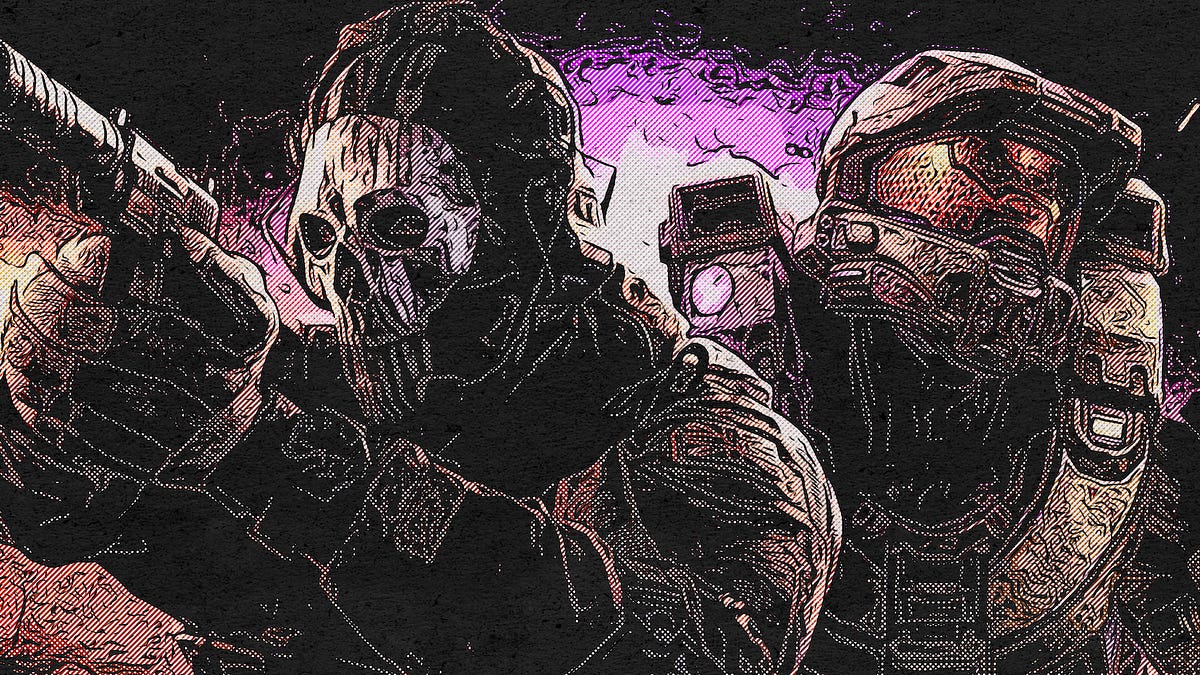
SuperJoost · 2026
SuperJoost · 2026

SuperJoost · 2026

SuperJoost · 2026
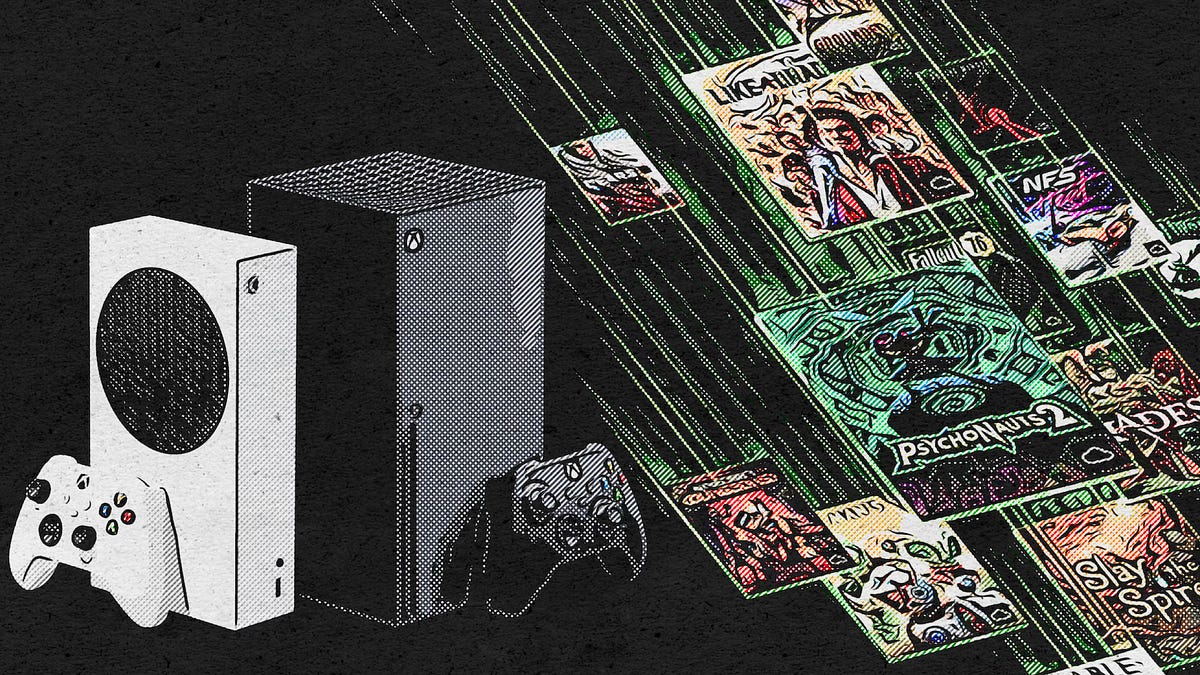
SuperJoost · 2026

SuperJoost · 2026

SuperJoost · 2026
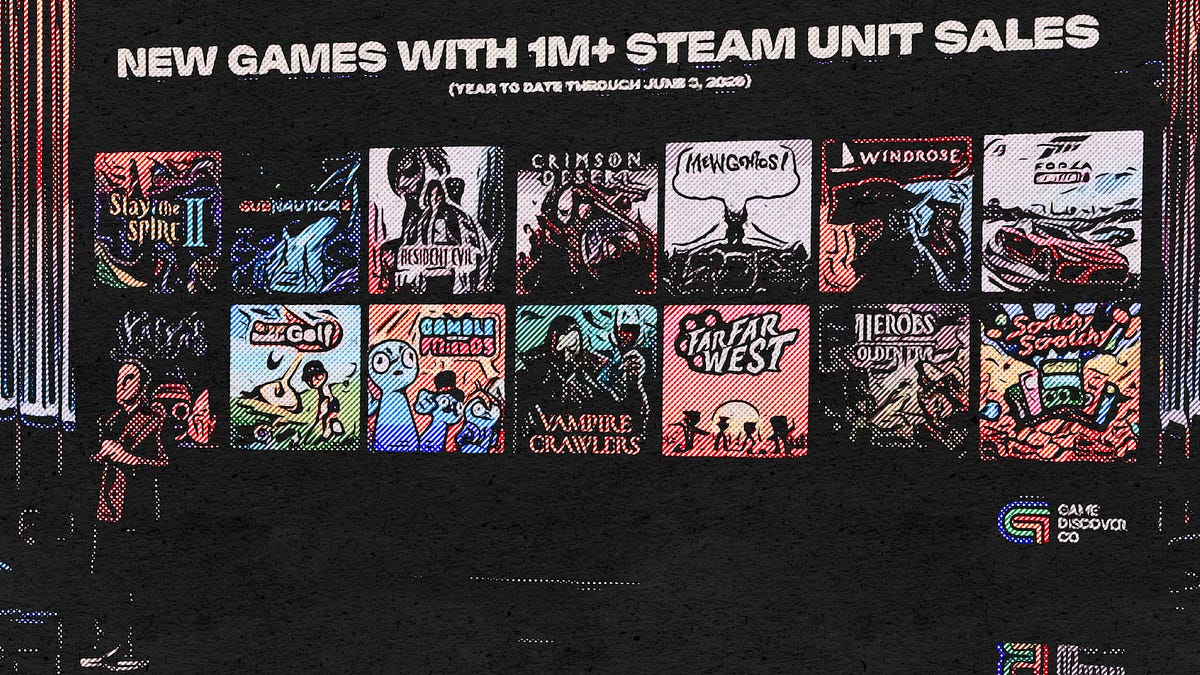
SuperJoost · 2026

SuperJoost · 2026
SuperJoost · 2026
Newzoo · 2022
Newzoo · 2022
Newzoo · 2022
Newzoo · 2022
Newzoo · 2021

Vorhaus Advisors · 2025
InvestGame & GDEV · 2024

Stream Hatchet · 2024
Game7 Research · 2024

PitchBook · 2023

PitchBook · 2023
DappRadar · 2022