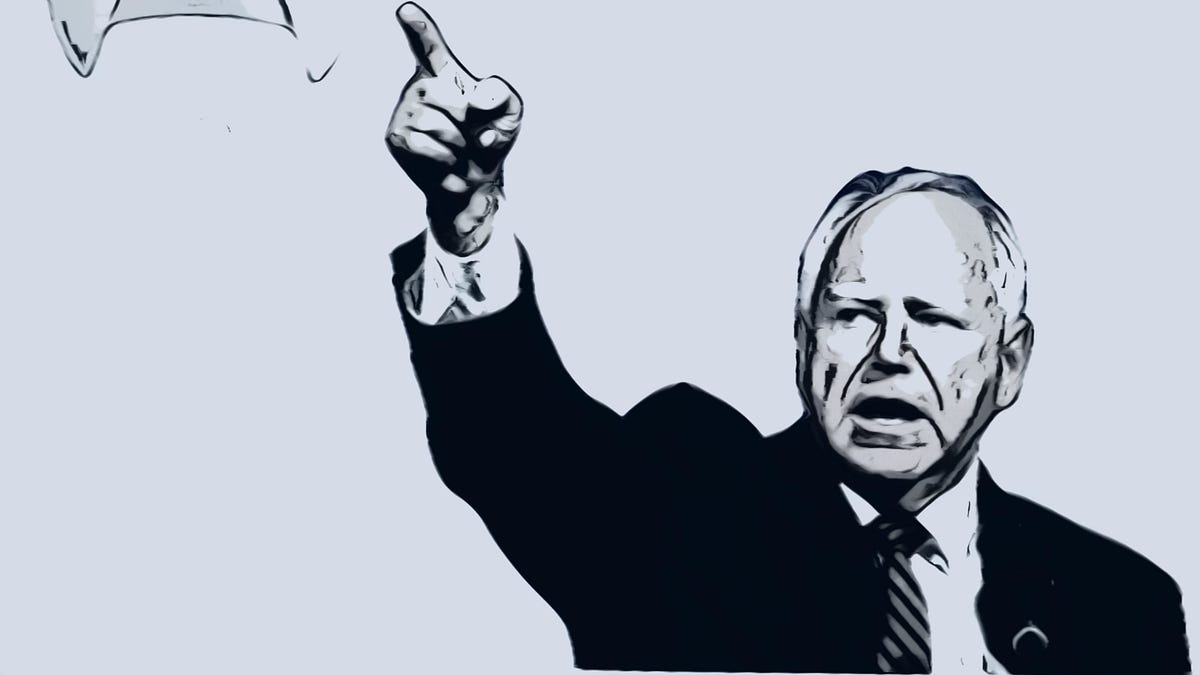
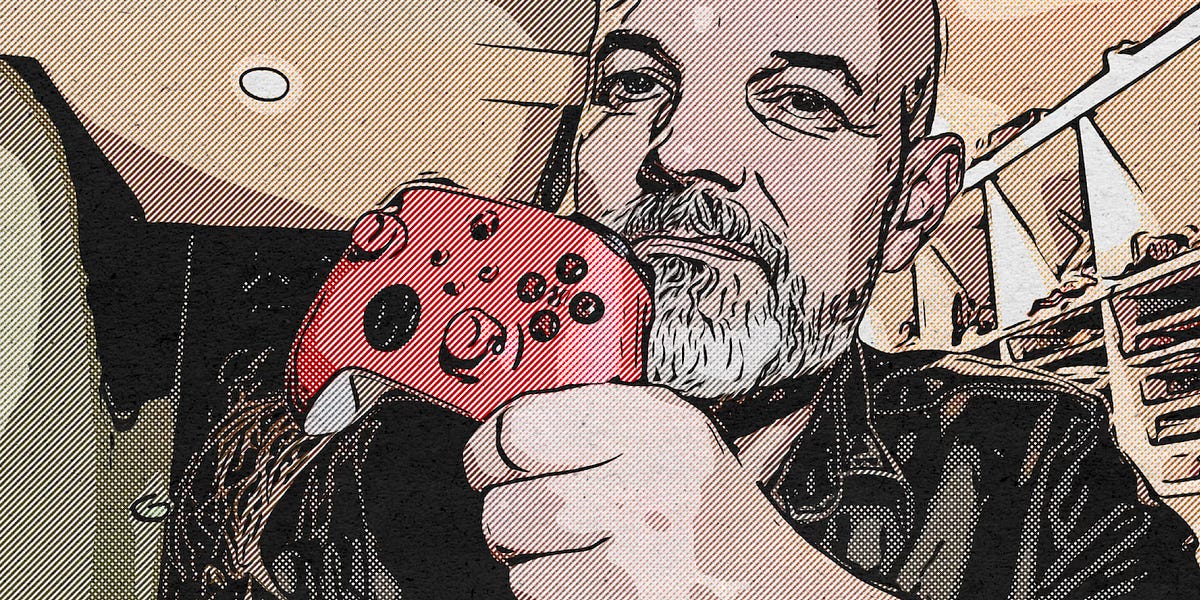
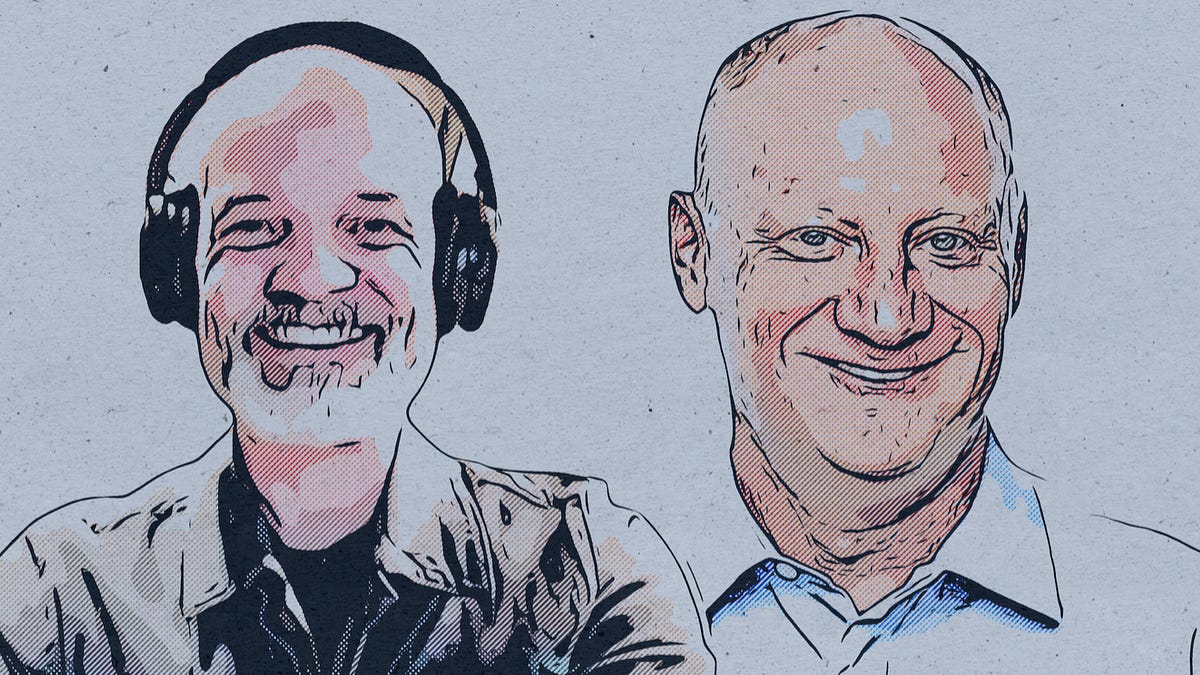
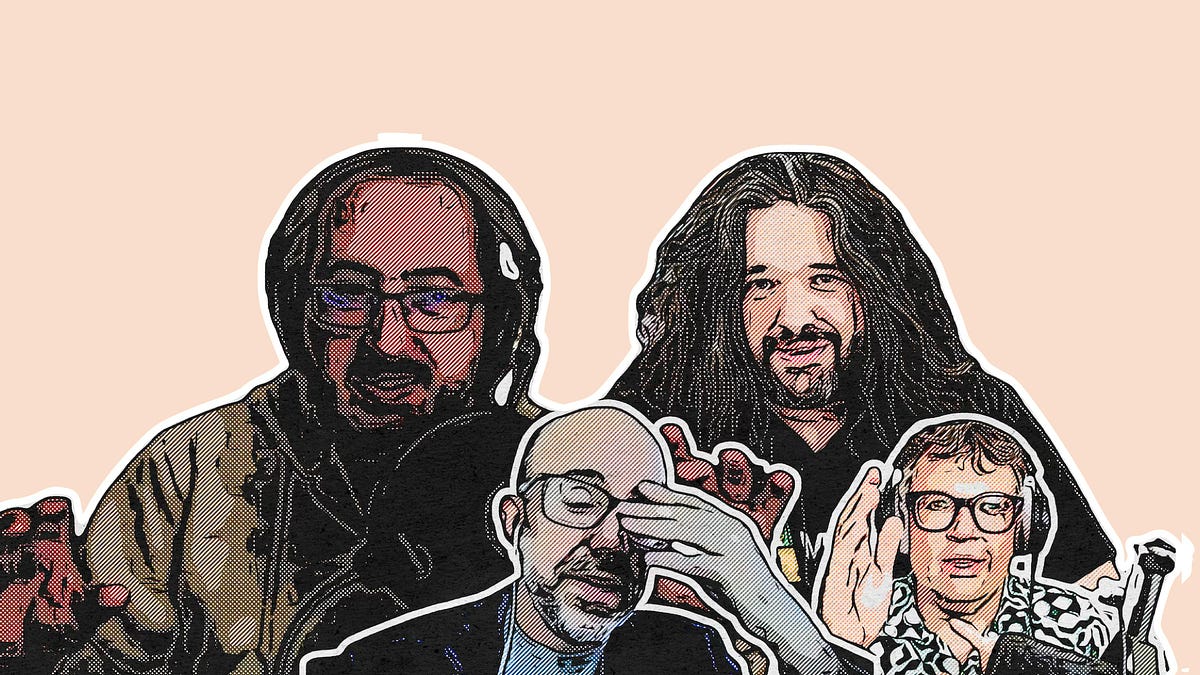
This analysis examines the shifting intersection of politics, media, and the global gaming industry, focusing on the transition from traditional outreach to interactive engagement. It posits that as traditional media loses its status as a primary source of truth, political figures are increasingly turning to podcasts and gaming platforms to reach younger demographics. The central thesis suggests that gaming offers a higher-fidelity look at a candidate’s character than ritualized televised interviews, predicting that future political success will depend on a candidate's ability to navigate live-streamed environments and interactive spaces.
The scope of the industry analysis covers major European and American market players during a period of significant restructuring. Key findings highlight a "Play Pendulum" shift from aggressive content acquisition toward distribution innovation and operational efficiency. Data points illustrate the financial struggles of major European firms: Stillfront is undergoing a three-way split to manage its $745 million valuation, Ubisoft faces a diminished $1.3 billion valuation and potential sale, and Embracer Group is divesting into three entities following an over-extension of its 200-project portfolio. Conversely, CD Projekt is noted as a successful outlier, maintaining a $3.2 billion valuation by focusing on rebuilding consumer trust through quality over quantity.
The analysis also critiques current industry journalism, specifically challenging reports of a $400 million loss for Sony’s Concord. By calculating the 164-person headcount at Firewalk Studios over a six-year development cycle, the findings suggest a more realistic budget of approximately $200 million, citing the discrepancy as a symptom of declining editorial standards in trade press. Finally, the report notes the failure of big tech’s push into AAA gaming, evidenced by Netflix shuttering its Southern California studio after finding that less than one percent of its subscribers engaged with its gaming offerings.
SuperJoost · 2026

SuperJoost · 2026
SuperJoost · 2026
SuperJoost · 2026
SuperJoost · 2026
SuperJoost · 2026
SuperJoost · 2026

SuperJoost · 2026
SuperJoost · 2026
SuperJoost · 2026
SuperJoost · 2026
SuperJoost · 2026
Aream & Co · 2026
Drake Star Partners · 2026

Modern Times Group · 2026
Drake Star Partners · 2025
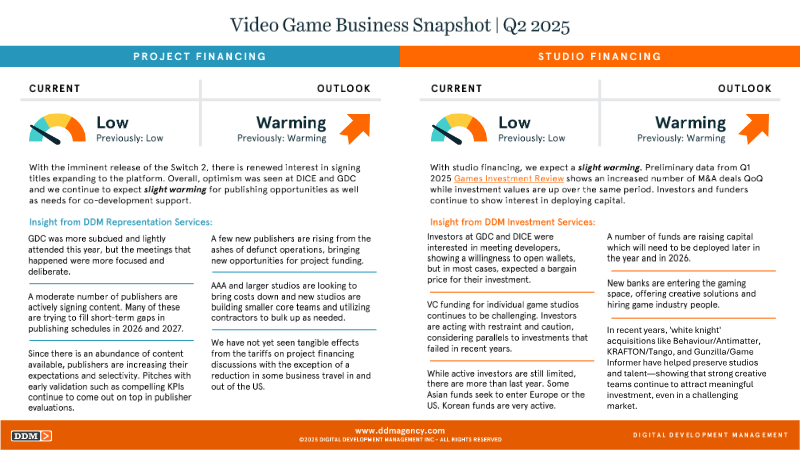
DDM · 2025
Drake Star Partners · 2025
Drake Star Partners · 2025
Digital Development Management · 2025
Thunderful · 2025
DDM · 2025
DDM · 2025
Aream & Co · 2025