
The decline and eventual cancellation of the Electronic Entertainment Expo (E3) serves as a primary case study in the failure of traditional industry management to adapt to a shifting digital landscape. The analysis posits that the Entertainment Software Association (ESA) failed to evolve alongside the games industry, which has moved away from product-based physical releases toward digital distribution and service-based models. By maintaining high costs and failing to integrate digital gaming meaningfully, the ESA left the event vulnerable to the disruptions caused by the COVID-19 pandemic.
The scope of the analysis covers the global games industry during the early 2020s, with specific focus on North American trade shows and the rise of regional competitors such as Gamescom, ChinaJoy, and the Tokyo Game Show. Data points indicate a broader cooling of the interactive entertainment market; global mobile game spending fell 7% year-over-year to $21 billion in the first quarter of 2022, while hardware sales for next-generation consoles lagged 1.3 million units behind their predecessors due to persistent supply chain issues.
Methodologically, the findings draw from market intelligence sources including Sensor Tower and Stream Hatchet, as well as academic research regarding media consumption and belief formation. The conclusion suggests that while the loss of a centralized industry cornerstone is significant, the emergence of more agile, digitally-native alternatives like the Summer Game Fest demonstrates that the industry is successfully decentralizing. Ultimately, the obsolescence of E3 is framed as a natural consequence of "sclerotic management" failing to keep pace with an industry that has exploded in size and global complexity.
SuperJoost · 2026

SuperJoost · 2026
SuperJoost · 2026
SuperJoost · 2026
SuperJoost · 2026
SuperJoost · 2026
SuperJoost · 2026

SuperJoost · 2026
SuperJoost · 2026
SuperJoost · 2026

SuperJoost · 2026
SuperJoost · 2026
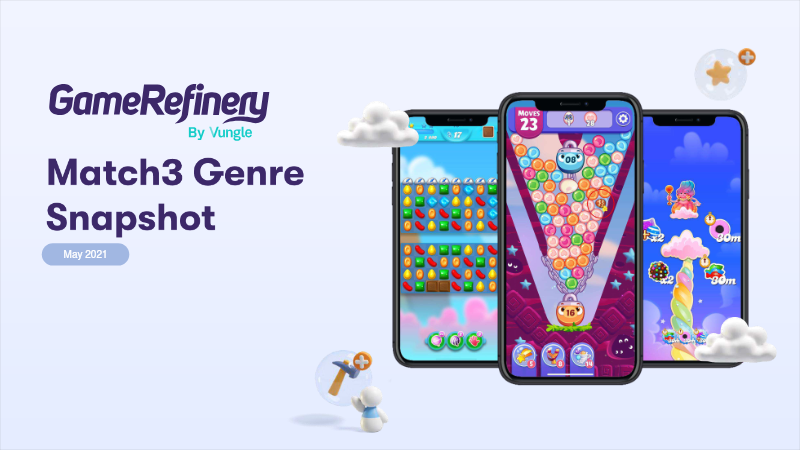
GameRefinery · 2021
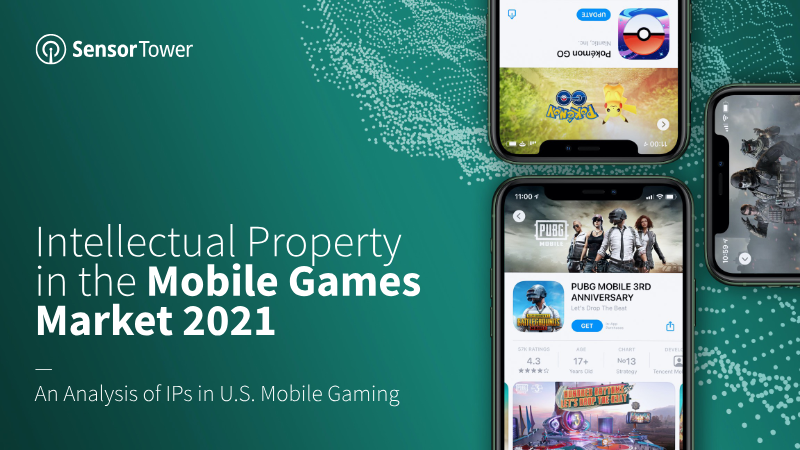
Sensor Tower · 2021
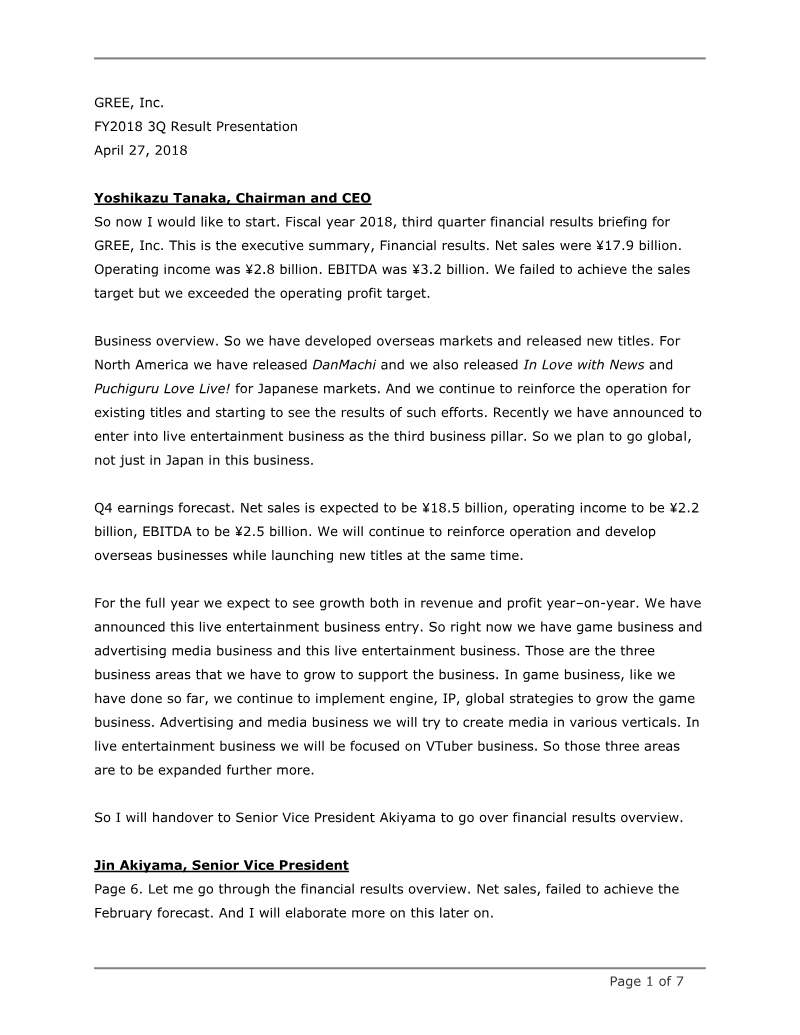
GREE · 2018
GREE
GREE
GREE
GREE
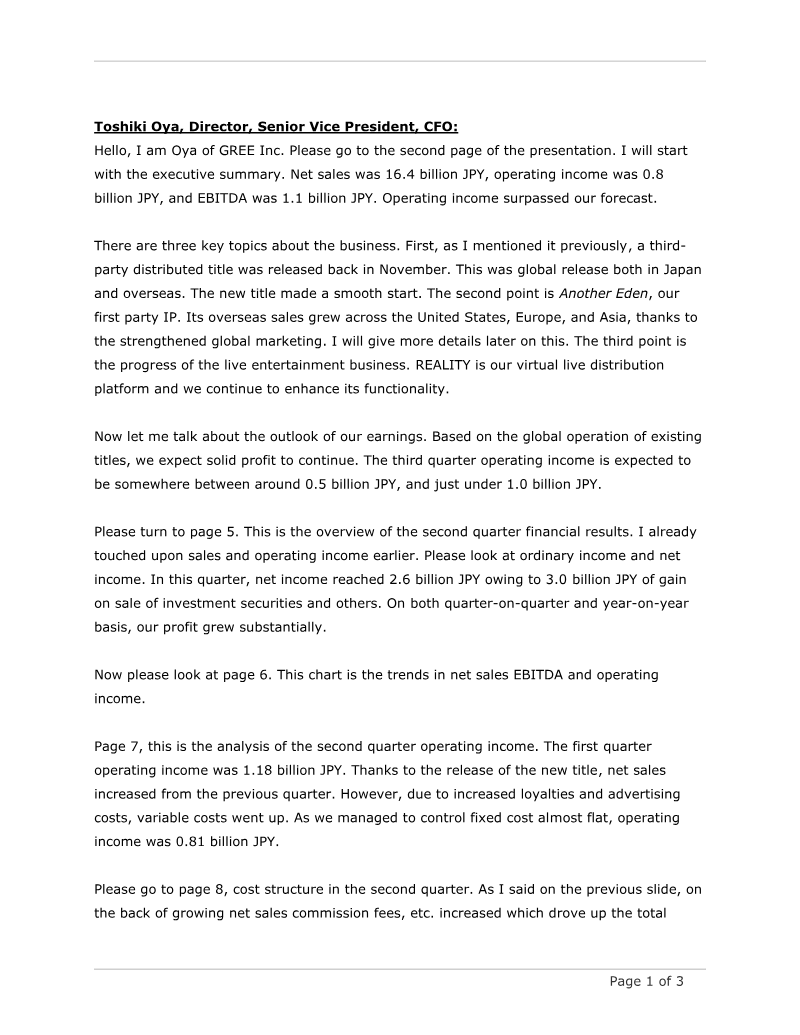
GREE
IGN Entertainment · 2026
Capcom Co. · 2026
Ocean Entertainment Group · 2026
Enthusiast Gaming Holdings · 2026