ArticleSuperJoost
Down. Not Out.: Regulators Pull Out All the Stops to Block the Activision Acquisition
13 Jul 2023~9 min full read
This analysis examines the regulatory landscape surrounding Microsoft’s proposed acquisition of Activision Blizzard following a pivotal U.S. District Court ruling. The primary thesis suggests that despite aggressive posturing from the Federal Trade Commission (FTC) and the UK’s Competition and Markets Authority (CMA), the likelihood of the deal closing has significantly increased. The findings indicate that regulators are in a weakened position after failing to demonstrate that the merger would substantially lessen competition or that Microsoft would have a financial incentive to make Call of Duty exclusive to its own platforms.
The scope of the analysis covers the legal proceedings in the United States and the United Kingdom during mid-2023, specifically focusing on the impact of Judge Corley’s decision to deny the FTC’s request for a temporary injunction. It also explores broader industry implications, noting that stock prices for other major publishers like Electronic Arts and Take-Two Interactive rose following the ruling. This market reaction suggests a subsiding fear of regulatory overreach, potentially reopening the door for further large-scale consolidation within the gaming sector.
Methodologically, the analysis relies on judicial statements, regulatory filings, and market data to forecast potential outcomes. It concludes that the CMA will likely seek a minor structural remedy—such as a localized version of Game Pass or a divested corporate structure in the UK—rather than a total block. Beyond the immediate legal battle, the document highlights a significant cultural shift where gaming industry mechanics and antitrust regulations have entered the mainstream public consciousness, serving as a landmark educational moment for both consumers and legal professionals.
SuperJoost · 2026

SuperJoost · 2026
SuperJoost · 2026
SuperJoost · 2026
SuperJoost · 2026
SuperJoost · 2026
SuperJoost · 2026

SuperJoost · 2026
SuperJoost · 2026
SuperJoost · 2026
SuperJoost · 2026
SuperJoost · 2026
InvestGame · 2025
Aream & Co · 2026
Drake Star Partners · 2026
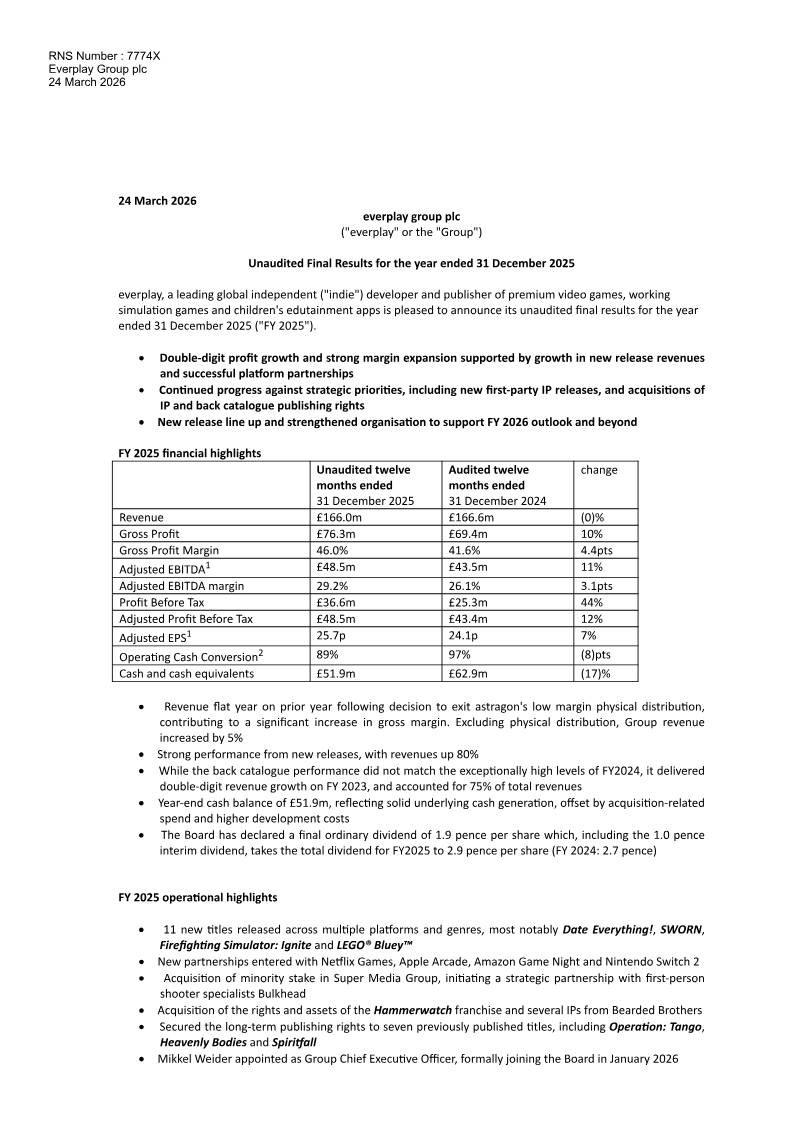
Everplay Group · 2026
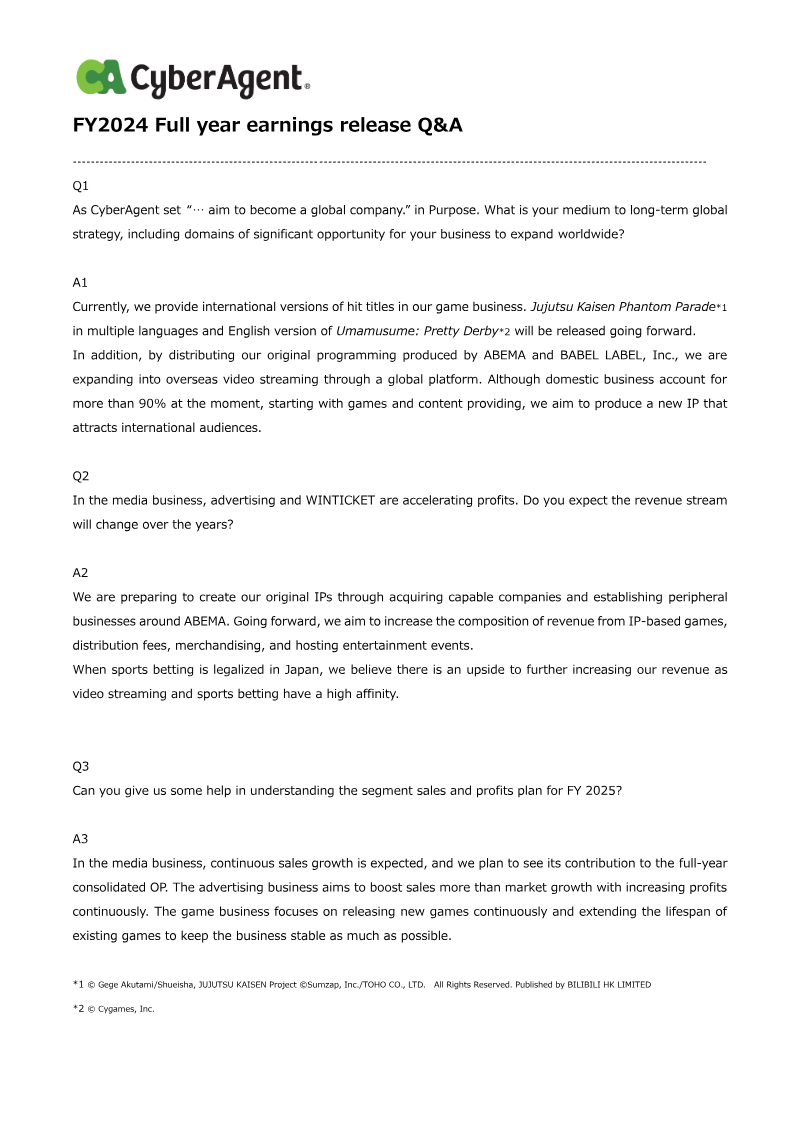
CyberAgent · 2026
Modern Times Group · 2026
Newzoo · 2026
Aream & Co · 2026
Take-Two Interactive · 2026
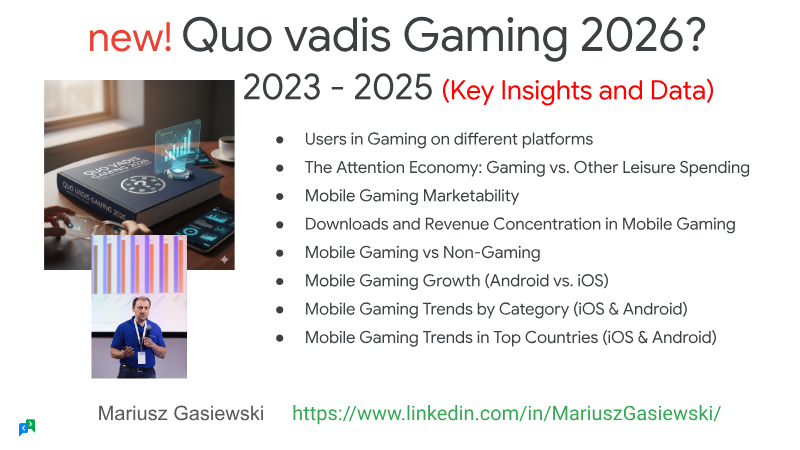
InvestGame · 2026
Sensor Tower · 2026
Epyllion · 2026