
ArticleSuperJoost
Biggest Buys in Gaming for N00bs: Cooling Considerations on Current Consolidation
15 Sept 2022~13 min full read
This analysis examines the current wave of consolidation in the video games industry, specifically addressing concerns that high-profile acquisitions—such as Microsoft’s proposed purchase of Activision Blizzard—threaten market competition. The thesis argues that despite "merger mania" and rising consumer prices, the industry remains fundamentally less concentrated than in previous decades due to the massive expansion of the global gaming audience and the proliferation of digital distribution.
The findings highlight a significant shift in market participation: in 2012, only 17 gaming companies generated over $1 billion in annual revenue, a figure that grew to 52 by 2021. This diversification suggests that the growth of the overall industry negates the influence any single firm can wield. Even under a hypothetical "wild" scenario where all rumored and pending deals (including Amazon/EA and Tencent/Ubisoft) are finalized, the market share of the top ten firms would only rise from 56% to 59%, remaining far below the near-100% concentration seen 25 years ago.
The scope of the analysis covers global market trends over the last decade, with specific focus on major players like Sony, Microsoft, Tencent, and Nintendo. It identifies a structural shift in how platforms make money; hardware revenue has declined from 47% to 36% of total earnings, while third-party publishing has risen to 43%. This indicates that platform holders increasingly act as intermediaries rather than just content creators.
Methodologically, the analysis relies on financial data from earnings reports, transaction multiples, and digital storefront statistics (such as Steam and the Apple ecosystem). It concludes that while regulators and the public are right to scrutinize ownership, the vibrancy of the current market and the rise of cross-platform play provide a natural check against monopolistic dominance.
SuperJoost · 2026

SuperJoost · 2026
SuperJoost · 2026
SuperJoost · 2026
SuperJoost · 2026
SuperJoost · 2026
SuperJoost · 2026

SuperJoost · 2026
SuperJoost · 2026
SuperJoost · 2026
SuperJoost · 2026
SuperJoost · 2026
Aream & Co · 2026
Drake Star Partners · 2026
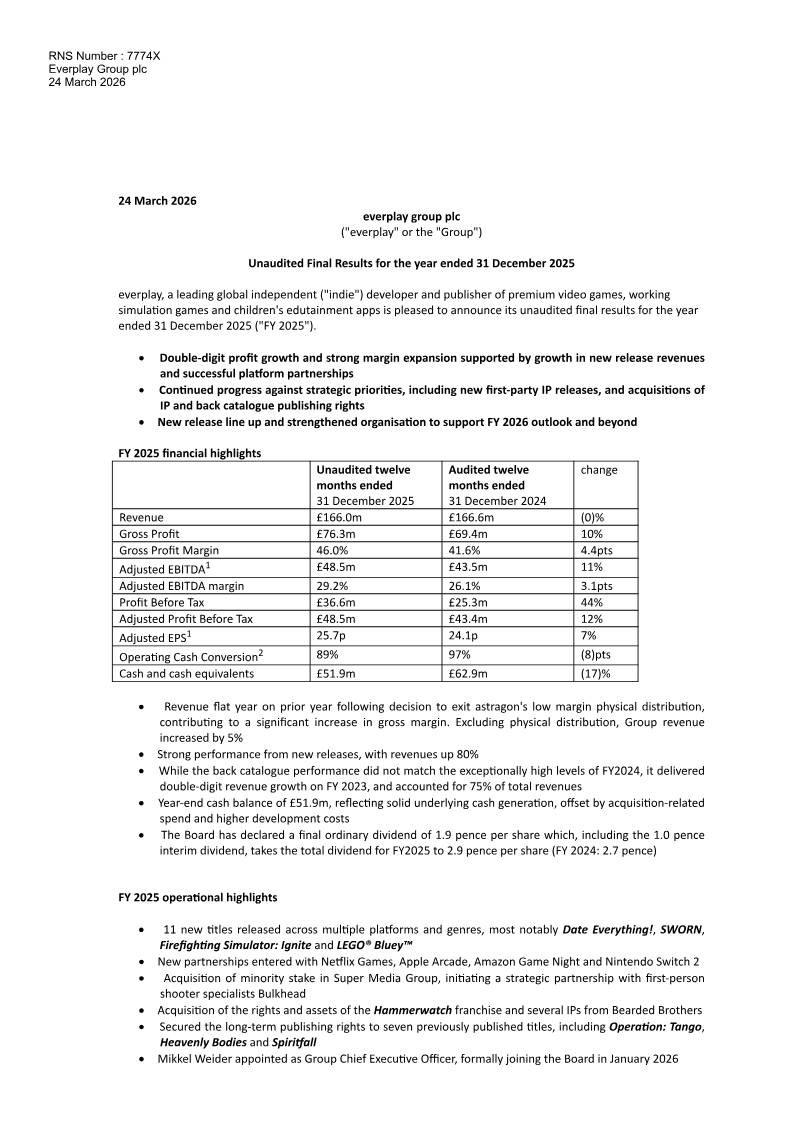
Everplay Group · 2026
Modern Times Group · 2026
Drake Star Partners · 2025
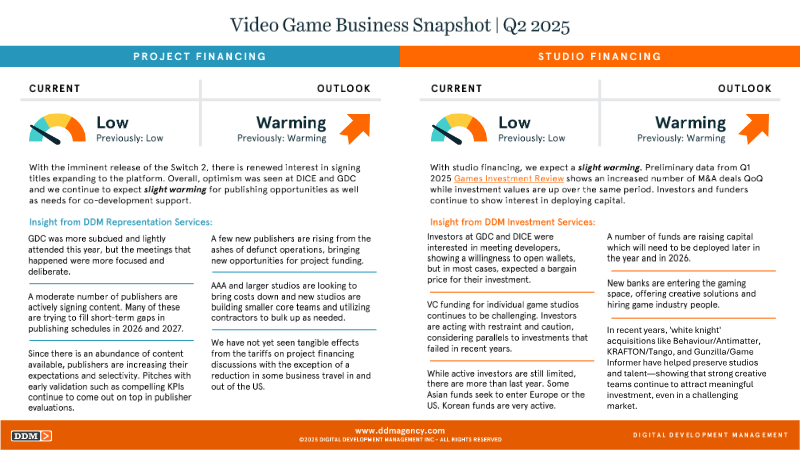
DDM · 2025
Drake Star Partners · 2025
Drake Star Partners · 2025
Thunderful · 2025
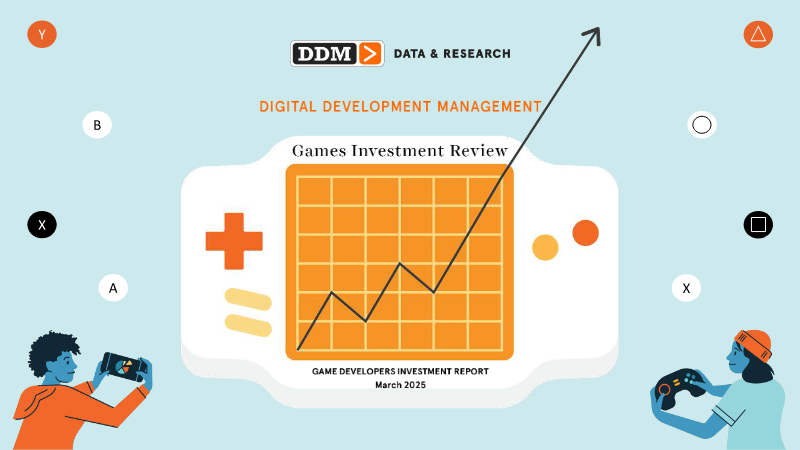
DDM · 2025
Digital Development Management · 2025
DDM · 2025