The proposed $18 billion merger between AppLovin and Unity is unlikely to succeed due to significant financial and strategic misalignments. Unity’s existing commitment to merge with IronSource carries a $150 million termination fee, and AppLovin’s offer significantly undervalues Unity compared to its recent internal valuations. Furthermore, a merger with a mobile ad network contradicts Unity’s long-term strategic pivot toward non-gaming sectors like architecture and film. AppLovin’s high debt-to-capital ratio and slowing growth suggest the bid is a defensive maneuver to avoid being marginalized in a consolidating mobile advertising landscape.
Broader industry trends indicate a period of correction and transformation. The crypto gaming sector, despite the recent market crash and rejection by major platforms like Minecraft, is following a historical pattern similar to the early days of social poker. Just as Zynga used steady revenue from poker to fund its eventual dominance in social gaming, current blockchain developers like Decentral Games are utilizing evergreen genres to weather volatility while refining digital ownership models. This suggests that while the "hype cycle" has cooled, the underlying technology for digital assets remains a long-term driver for younger audiences who view virtual items as essential social currency.
The hardware and accessory segment provides a sobering proxy for the post-pandemic cooling of the gaming market. Major manufacturers including Corsair and Turtle Beach have reported year-over-year revenue declines of 40% or more, leading to lowered forecasts and abandoned acquisition plans. This downturn, driven by inflation and a return to out-of-home activities, is forcing consolidation and privatization within the category. Similarly, major publishers like Roblox and Take-Two are reporting softened bookings, signaling a transition period where growth will depend on aging up audiences and high-profile intellectual property releases.
SuperJoost · 2026

SuperJoost · 2026
SuperJoost · 2026
SuperJoost · 2026
SuperJoost · 2026
SuperJoost · 2026
SuperJoost · 2026

SuperJoost · 2026
SuperJoost · 2026
SuperJoost · 2026
SuperJoost · 2026
SuperJoost · 2026

PitchBook · 2024
Drake Star Partners · 2026
Aream & Co · 2026
Modern Times Group · 2026
Take-Two Interactive · 2025
Drake Star Partners · 2025
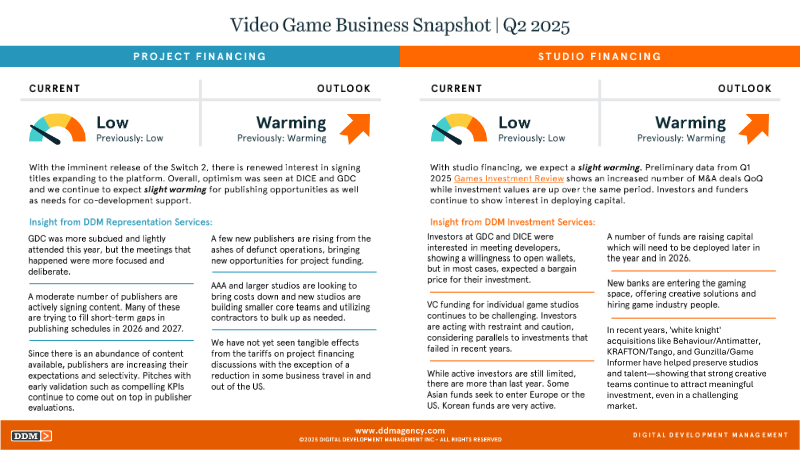
DDM · 2025
Drake Star Partners · 2025
tinyBuild · 2025
Drake Star Partners · 2025
Digital Development Management · 2025
DDM · 2025