ArticleSuperJoost
Amusing Ourselves to Death: FaZe's Public Listing and Esports' Next Era
28 Oct 2021~16 min full read
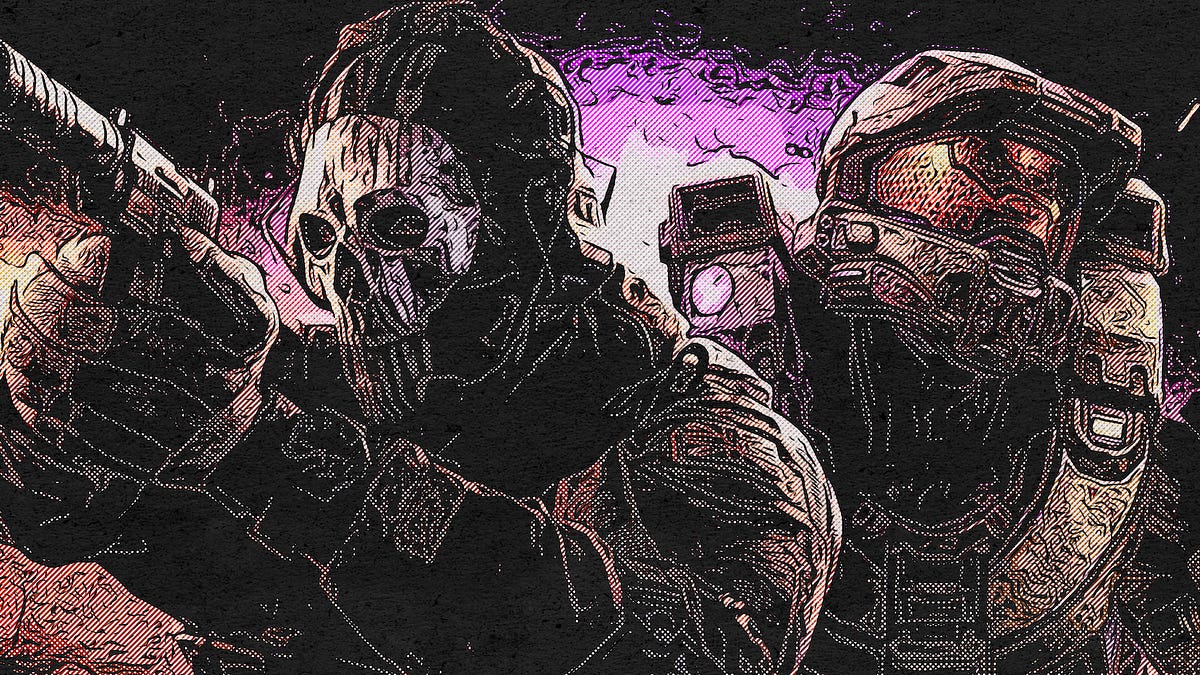
The public listing of FaZe Clan via a $1 billion SPAC merger marks a transition for esports from a niche competitive category into a diversified entertainment era. This shift follows a historical trajectory moving from an emergent phase in South Korea through a "valley of death" and subsequent growth fueled by venture capital, finally reaching a stage of business model rationalization. The current era is defined by organizations evolving into broader media franchises to escape the volatility of tournament winnings and the restrictive control of game publishers.
Financial analysis of the sector reveals a landscape of meager returns and negative P/E ratios. Competitors like Astralis and Guild Esports report modest revenues heavily dependent on sponsorships and winnings. In contrast, FaZe Clan’s valuation is supported by a diversified revenue mix: in 2020, only 8% of its $38 million revenue came from esports, while the majority was driven by brand sponsorships ($17 million) and content production ($12 million). The company projects aggressive growth, aiming for $651 million in revenue by 2025 by increasing monetization from $0.42 to $3.52 per fan.
The analysis questions the feasibility of these projections, noting that the 13-34-year-old demographic is historically difficult to monetize directly compared to traditional sports fans. Furthermore, the strategy relies heavily on "emerging monetization" buzzwords like the metaverse and NFTs. While FaZe has successfully built a "Kardashian-style" celebrity engine that transcends gaming, the long-term challenge remains maintaining a foundation of creative talent and competitive relevance while attempting to scale revenues by 1,200% over five years. This pivotal moment for FaZe serves as a bellwether for the legitimacy and financial sustainability of the broader gaming creator economy.
SuperJoost · 2026

SuperJoost · 2026
SuperJoost · 2026
SuperJoost · 2026
SuperJoost · 2026
SuperJoost · 2026
SuperJoost · 2026

SuperJoost · 2026
SuperJoost · 2026
SuperJoost · 2026
SuperJoost · 2026
SuperJoost · 2026
Drake Star Partners · 2026

Aream & Co · 2026

Modern Times Group · 2026
Take-Two Interactive · 2025
Drake Star Partners · 2025
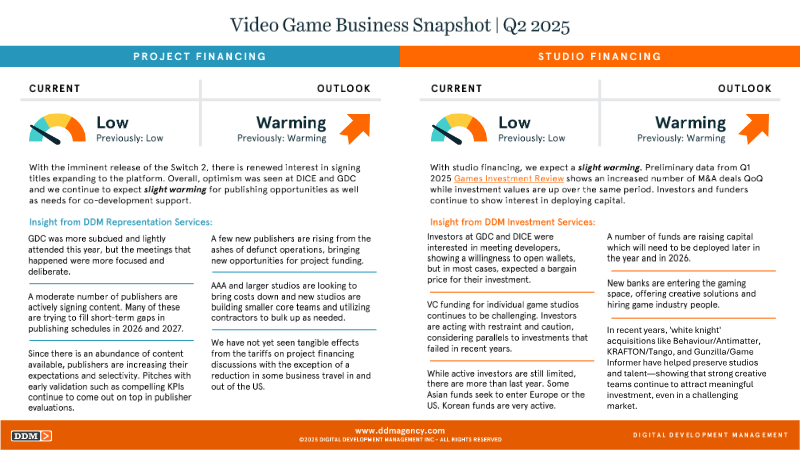
DDM · 2025

Drake Star Partners · 2025
tinyBuild · 2025
Drake Star Partners · 2025
DDM · 2025
Digital Development Management · 2025
Thunderful · 2025