The launch of Apple Arcade represents a strategic shift toward subscription-based service revenue, positioning the platform as a curated alternative to the traditional mobile gaming ecosystem. With a competitive price point of $4.99 and a one-month free trial, the service is projected to attract approximately 50 million subscribers within its first 24 months. While the initial lineup features major publishers like Capcom and Sega, these firms historically derive less than 10% of their revenue from mobile, suggesting that the Arcade will primarily serve as a marketing and brand-building tool rather than a primary revenue driver for large incumbents.
The service targets a mainstream, casual demographic and is particularly appealing to parents seeking to avoid the aggressive monetization and "surprise mechanics" prevalent in free-to-play titles. This focus distinguishes Apple Arcade from cloud gaming competitors like Google Stadia and Microsoft’s xCloud, which remain focused on dedicated, hardcore gaming audiences. While the model offers a platform for smaller developers to gain visibility, it also reinforces Apple’s dominant negotiating position, as the platform’s interests take precedence over individual creative firms.
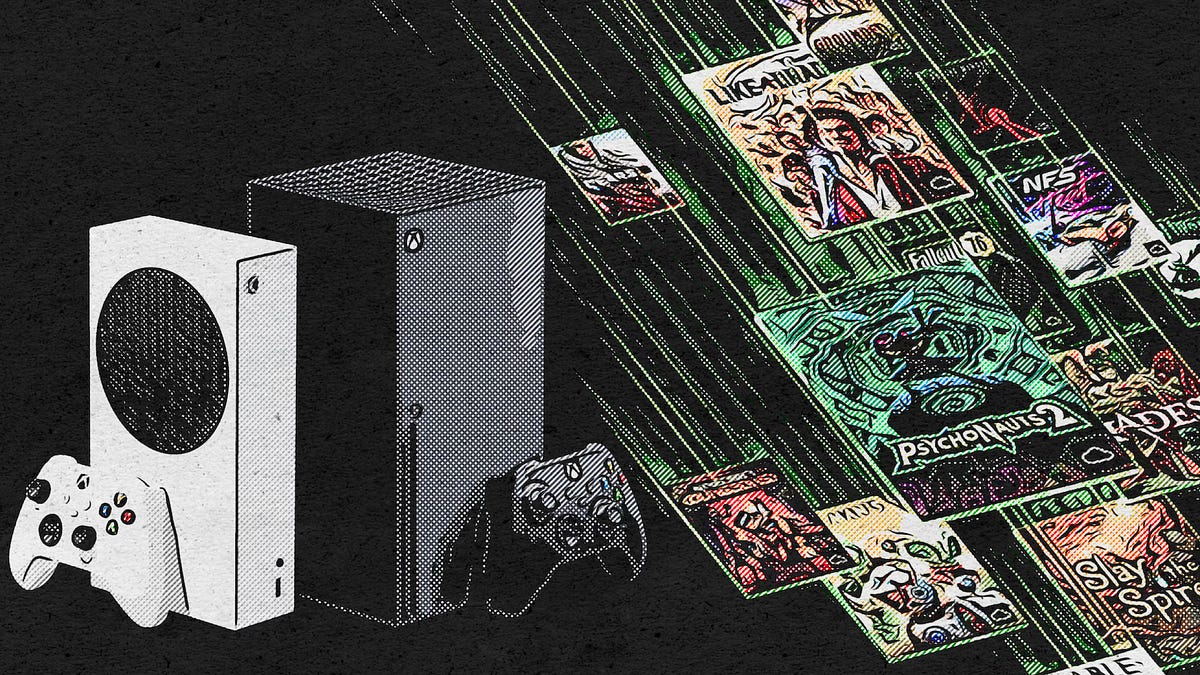
Broader industry trends indicate a complex transition toward digital and cloud services. Despite GameStop reporting a significant annual loss of $673 million, traditional retail remains vital for console hardware distribution, as Amazon currently accounts for only low single digits of US console sales. Furthermore, cloud gaming adoption remains nascent, with Sony’s established service reaching only 3% of its active players. Consequently, while subscription models and cloud trials—such as Electronic Arts’ Project Atlas—are expanding, the industry continues to rely on a hybrid of physical retail, hardware cycles, and evolving digital storefronts.