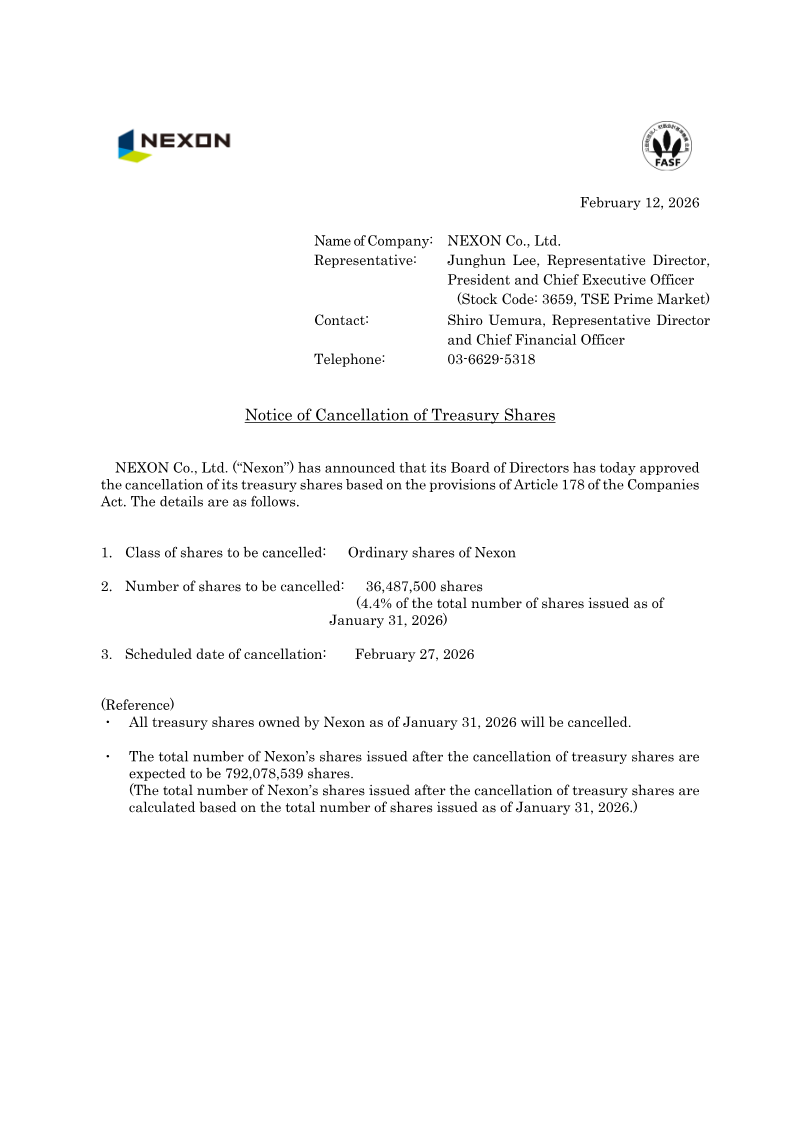
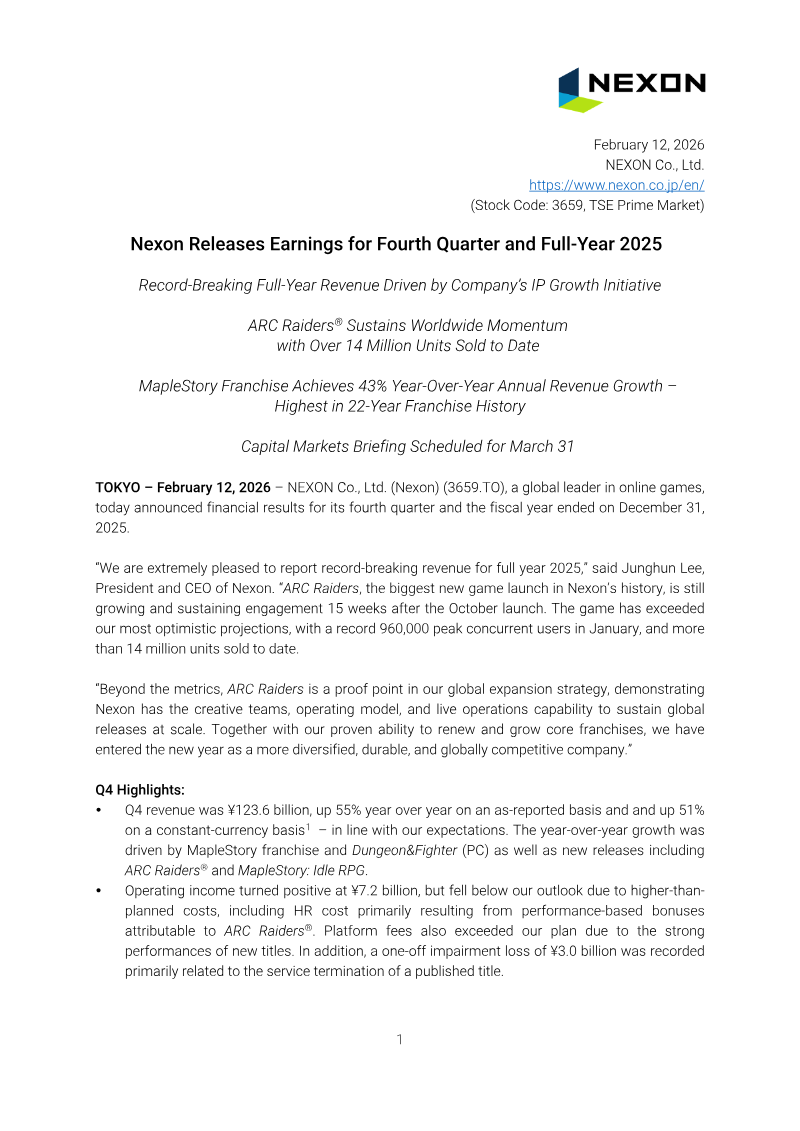
The potential sale of South Korean publisher Nexon represents a pivotal moment in the gaming industry, characterized by a shift toward consolidation and the entry of non-endemic players like telecom firms. Driven by the decision of founder Kim Jung-ju to divest his majority stake, the sale has sparked a bidding war involving major entities such as Tencent, Electronic Arts, and Comcast. The high valuation is supported by Nexon’s robust financial performance, particularly in China, where its flagship title, Dungeon Fighter Online, generates approximately $150 million in monthly revenue.
The analysis highlights a stark contrast between Nexon’s massive profitability and the broader challenges facing the South Korean games market. While Nexon remains a "money-printing" enterprise, its growth in the mobile sector has lagged behind rivals like Netmarble, and South Korean firms generally struggle to generate more than 15% of their earnings outside domestic borders. The interest from Western firms like Comcast suggests a strategic desire to acquire high-performing intellectual property and gain a foothold in the Asian market, potentially using Nexon’s assets to bolster "gamer-grade" infrastructure services.
Beyond the Nexon transaction, the industry is navigating a period of upheaval marked by the rise of gaming video content as a primary tastemaker and the unexpected success of titles like Apex Legends. These trends underscore a transition where traditional gatekeeping is deteriorating. The broader entertainment landscape faces similar friction, evidenced by the tension between streaming platforms and traditional cinema, as well as the ongoing consolidation of content creators by distribution-focused "pipe" companies. Despite these shifts, the gaming sector continues to demonstrate resilience through ingenious innovation during moments of structural change.