
The modern gaming industry faces a critical turning point regarding its responsibility toward younger audiences, as children are increasingly born into digital ecosystems that shape their cognitive development and social values. While video games serve as vital tools for creativity and socialization, the current market for children’s content is marred by aggressive monetization and systemic failures in user acquisition. Specifically, the prevalence of intrusive in-app purchases and poorly targeted advertisements—which often expose minors to violent content despite age ratings—undermines the quality of the play experience and breaks the immersion essential to childhood development.
Analysis of the 2019 outlook suggests a shift toward greater industry accountability driven by two primary factors. First, increased regulatory scrutiny regarding data privacy and monetization mechanics, such as loot boxes, is forcing publishers to adopt higher standards for protecting minors. Second, the industry is pivoting toward subscription-based models and bundled content. These models offer more predictable revenue streams for developers while providing parents with a simplified method for moderating exposure, effectively mitigating the disruptive nature of micro-transactions.
The cultural footprint of gaming has expanded significantly, with titles like Fortnite and Pokémon GO moving the social dialogue away from outdated debates over violence and toward a more mainstream integration into family life. This transition from the fringes to the center of entertainment suggests that the industry must move beyond predatory economic designs. By balancing creative freedom with necessary regulation and more ethical monetization, the sector can better serve a new generation of players who possess unprecedented digital literacy and skill.

SuperJoost · 2026

SuperJoost · 2026

SuperJoost · 2026

SuperJoost · 2026

SuperJoost · 2026

SuperJoost · 2026

SuperJoost · 2026

SuperJoost · 2026

SuperJoost · 2026
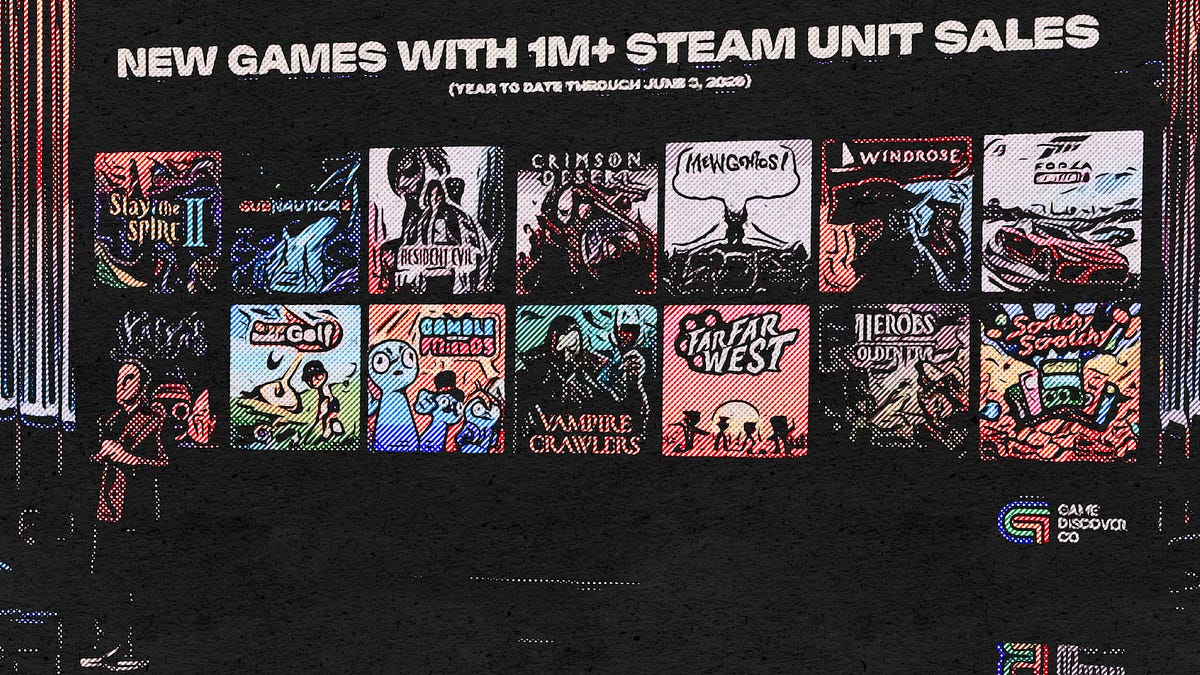
SuperJoost · 2026

SuperJoost · 2026

SuperJoost · 2026

Almedia · 2026

Gamesight · 2026

Sensor Tower · 2026

Modern Times Group · 2026

InvestGame · 2026

Almedia · 2025

AppsFlyer · 2025

Adjust · 2025
Newzoo · 2025

Ampere Analysis · 2025

Moloco · 2025

AppLovin · 2025