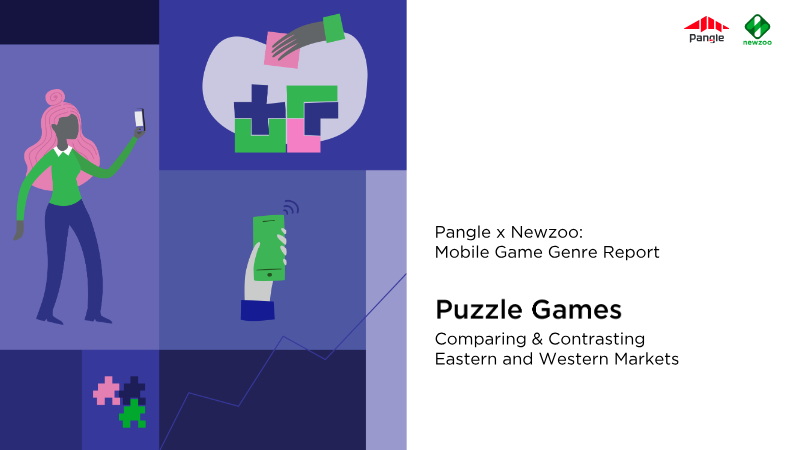
Produced through a partnership between Newzoo and Pangle, this analysis examines the global mobile puzzle game market with a specific focus on the divergent trends between Western and Eastern territories. The study covers major markets including the United States, China, Japan, and South Korea, utilizing 2020 revenue data and 2021 consumer insights. By comparing market dynamics, monetization strategies, and player demographics, the research aims to provide actionable intelligence for developers seeking global expansion.
Findings indicate that the United States is the world’s largest mobile puzzle market, followed by Japan and China. While classic match-3 mechanics remain dominant globally, the genre is evolving through "meta" elements like narrative and decoration. A significant regional distinction exists in monetization: Western titles rely heavily on in-app advertising (IAA) and simple economies, whereas Eastern titles—particularly in Japan—integrate deep character collection, progression, and gacha mechanics, leading to higher in-app purchase (IAP) revenue. Data shows that while Western players demonstrate a higher tolerance for frequent ad breaks, Japanese players prefer longer sessions with fewer interruptions but show a greater willingness to pay for additional functions and aesthetic enhancements.
Demographically, puzzle gamers across all regions skew female and are typically full-time employees with mid-to-high income. However, Eastern players tend to be younger and more highly educated than their Western counterparts. The methodology relies on Newzoo’s proprietary Global Games Market Report and Consumer Insights, supplemented by a case study from Japanese developer Translimit. The analysis concludes that success in the puzzle genre requires localized user acquisition strategies, such as performance-based A/B testing and region-specific ad creative optimization, to navigate the distinct cultural expectations of the global mobile audience.

Google · 2026
Newzoo · 2026

Newzoo · 2026
Newzoo · 2026

Deconstructor of Fun · 2026

Newzoo · 2026

Newzoo · 2026
Newzoo · 2026
Newzoo · 2026

Newzoo · 2026
Newzoo · 2026
Newzoo · 2025
Sensor Tower · 2026
AppMagic · 2026

Sensor Tower · 2025
Pangle · 2025
AppFigures · 2025

Sensor Tower · 2023
Apptica · 2023
Sensor Tower · 2022
data.ai · 2022
Newzoo · 2022
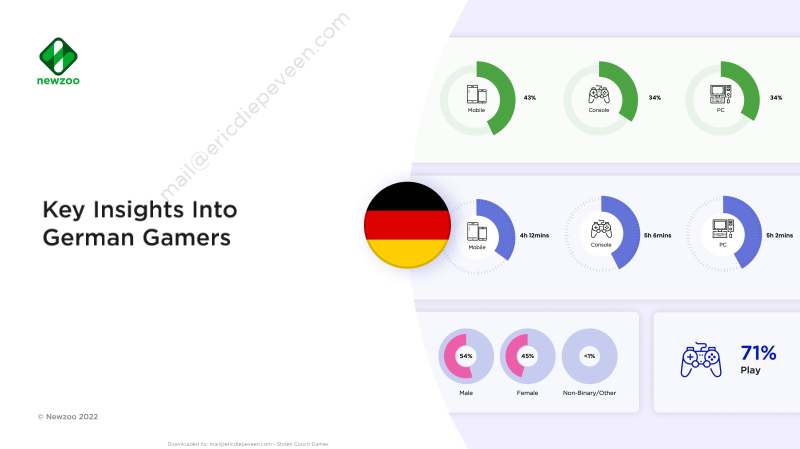
Newzoo · 2022
Newzoo & Pangle · 2021