Articlea16z Games
Substack CEO Chris Best: You Can't Define Success as 'No One Is Ever Mad at Us'
12 Feb 20261 pages~10 min full read
Substack CEO Chris Best outlines a philosophy for early-stage founders that prioritizes principled decision-making and long-term vision over the pursuit of universal approval. The central thesis posits that impactful companies cannot avoid controversy; therefore, founders must define success by their adherence to core values rather than by the absence of public criticism. By maintaining a firm stance on issues like freedom of speech, leadership avoids the trap of ceding control to external critics, which Best identifies as a fatal error for growing organizations.
The strategic framework for building a company involves balancing a massive, long-term "sci-fi" vision with concrete, short-term operational steps. Best argues that focusing solely on the immediate future leads to stagnation, while rigid multi-year roadmaps lack the agility required for innovation. This approach is supported by the recruitment of "missionaries"—individuals driven by a shared belief in the company’s mission—rather than "mercenaries" motivated primarily by financial gain. This cultural foundation is essential for navigating the inevitable challenges of the startup lifecycle.
Regarding technological disruption, particularly in artificial intelligence, the analysis suggests that while tools are evolving rapidly, they cannot replace human taste. High-quality output remains the primary differentiator, as users are quick to reject inferior products regardless of the underlying technology. Ultimately, the validation of a business model often lies in the transition from abstract skepticism to specific, individual demand. Best illustrates this with the early success of Substack, where initial doubt regarding the viability of paid newsletters was overcome by the specific willingness of users to pay for content they deeply valued, providing the necessary momentum to scale the platform.
a16z Games · 2026

a16z Games · 2026
a16z Games · 2026
a16z Games · 2026
a16z Games · 2026

a16z Games · 2026
a16z Games · 2026

a16z Games · 2026
a16z Games · 2026
a16z Games · 2026
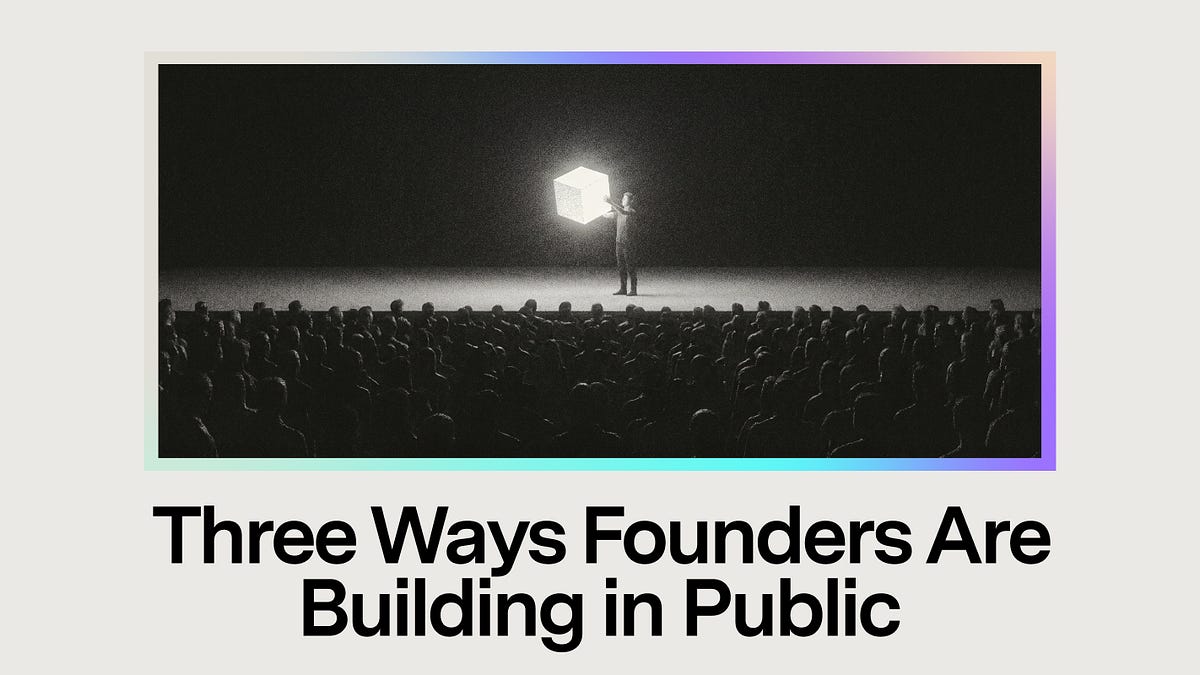
a16z Games · 2026
a16z Games · 2026
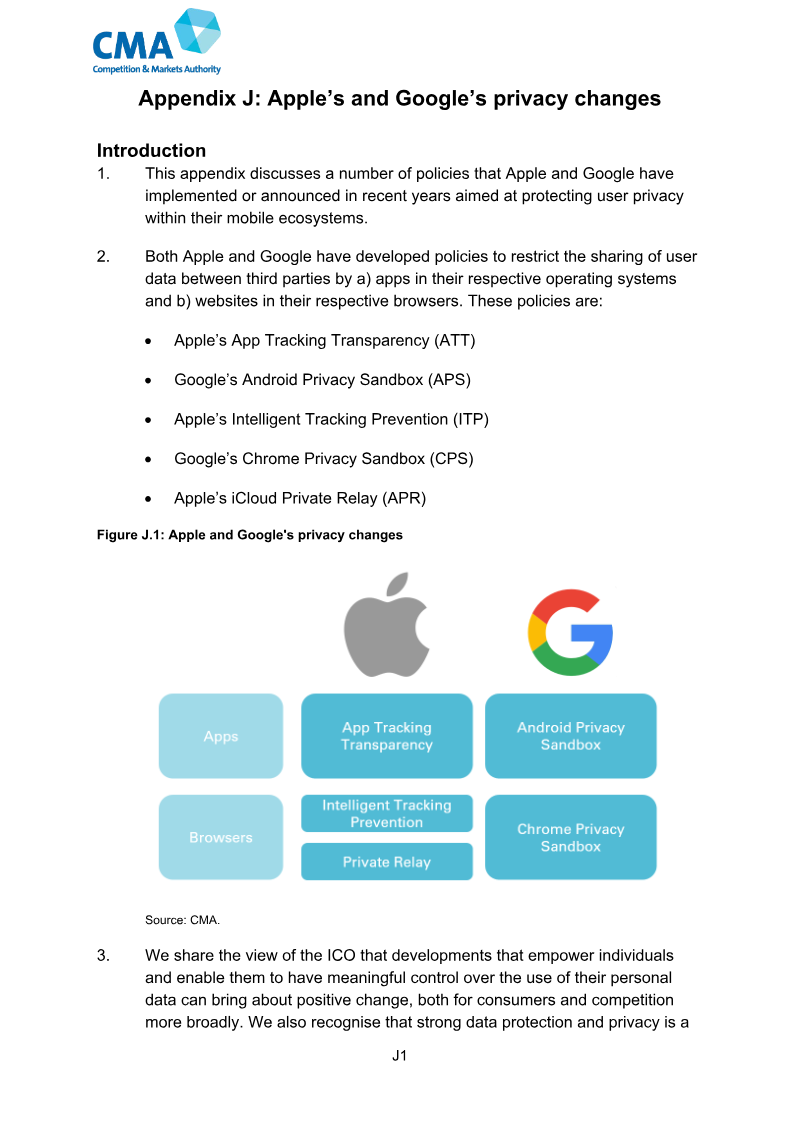
Competition · 2026
IGN Entertainment · 2026
Ubisoft · 2026
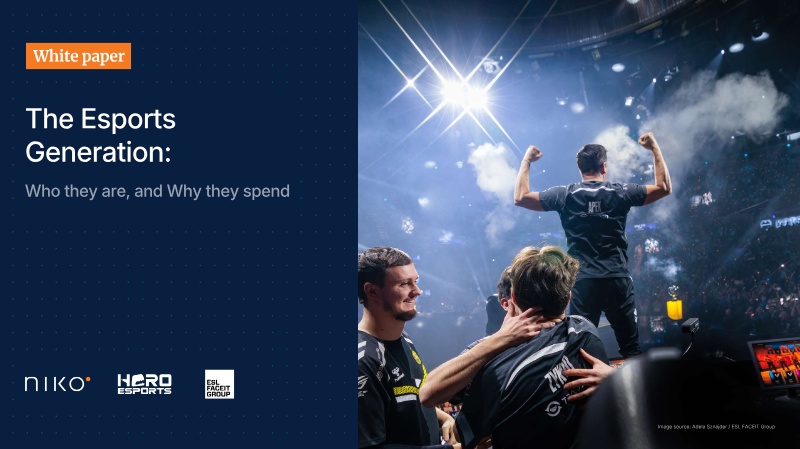
Niko Partners · 2026
Bryter · 2026

Almedia · 2026
GameAnalytics · 2026
Poki · 2026
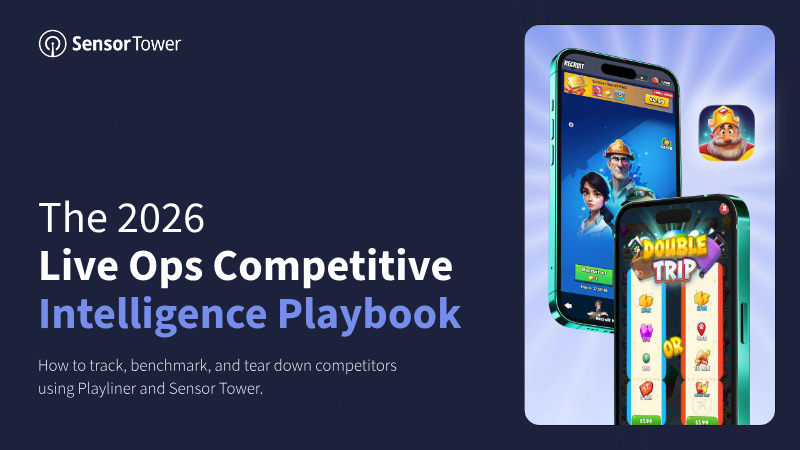
Sensor Tower · 2026
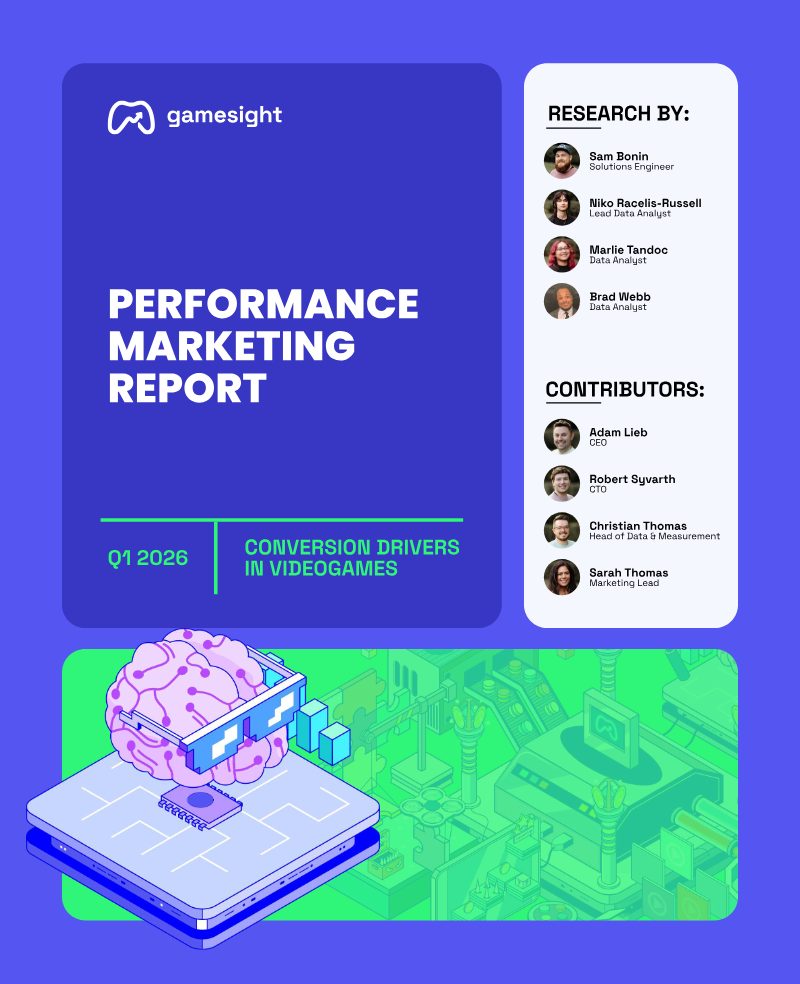
Gamesight · 2026

Sensor Tower · 2026
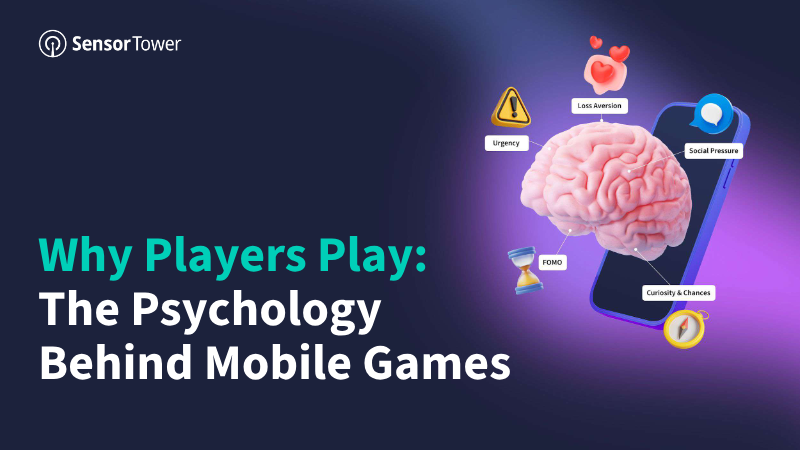
Sensor Tower · 2026