Articlea16z Games
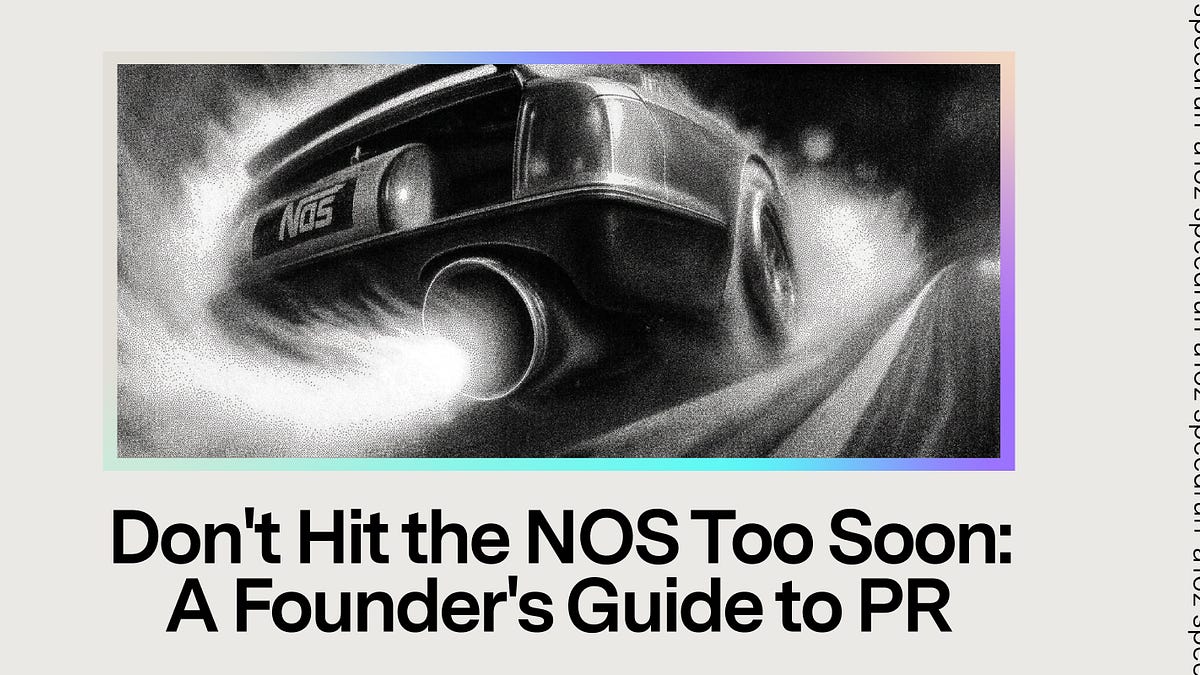
Don't Hit the NOS Too Soon: A Founder's Guide to PR
29 Jul 20261 pages~10 min full read
Public relations for early-stage startups is often misunderstood as a primary engine for customer acquisition, when it should instead be viewed as a strategic test of a company’s narrative. The core thesis is that founders should avoid premature media engagement—referred to as hitting the nitrous oxide too soon—until they have achieved sufficient product-market fit and a clear, validated story. Engaging with the press before a company is ready often results in wasted resources and ineffective messaging.
Rather than a distribution channel, media relations serves as a crucible for refining a startup's value proposition. By pitching to journalists, founders can determine if their story resonates with an audience that has no inherent incentive to be supportive. This process acts as a forcing function to align the company’s internal vision with an external, intentional audience. While coverage can provide valuable signaling for fundraising and recruitment, it is rarely the most efficient path to immediate customer growth.
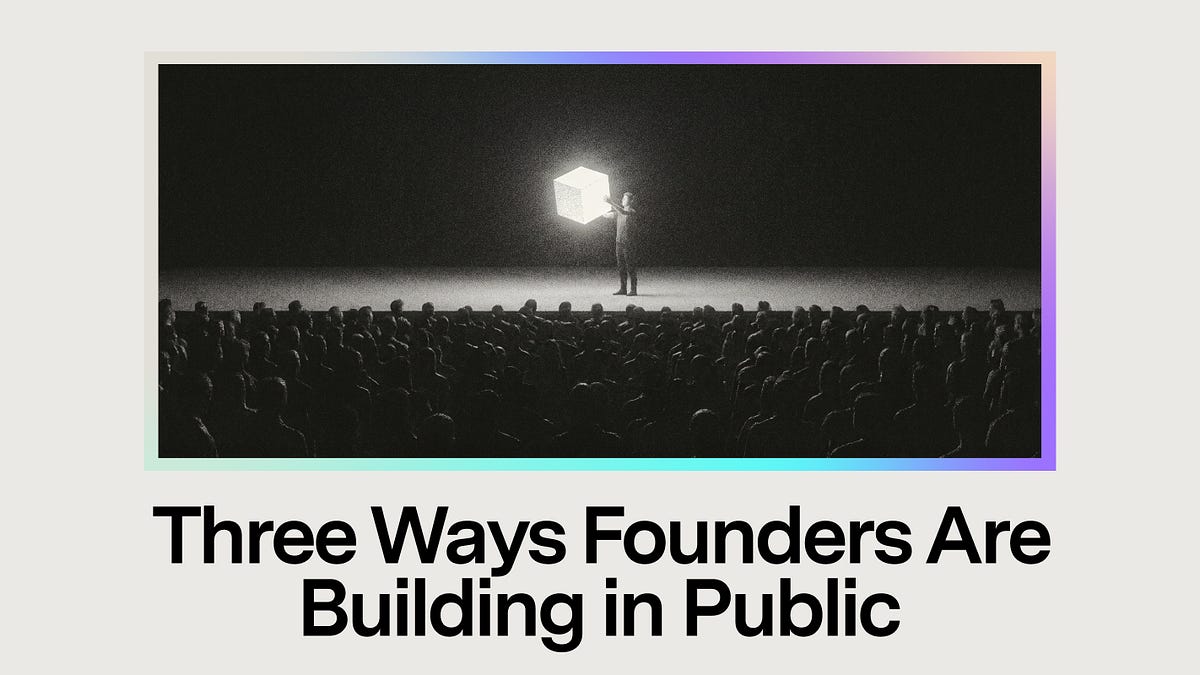
The modern landscape has shifted toward a direct-to-audience model, where founders are increasingly expected to build in public and manage their own narratives through personal platforms. This approach reduces reliance on traditional media gatekeepers, though it requires founders to be highly disciplined in identifying where their specific customers reside. Whether targeting niche industry publications or leveraging personal social channels, the strategy must be tailored to the audience rather than broad tech-sector visibility. Ultimately, founders are advised to seek professional guidance for messaging and execution rather than attempting to manage complex media processes independently, ensuring that their public-facing story is both credible and strategically sound.
a16z Games · 2026

a16z Games · 2026
a16z Games · 2026
a16z Games · 2026

a16z Games · 2026

a16z Games · 2026

a16z Games · 2026
a16z Games · 2026
a16z Games · 2026
a16z Games · 2026
a16z Games · 2026
a16z Games · 2026
Koei Tecmo
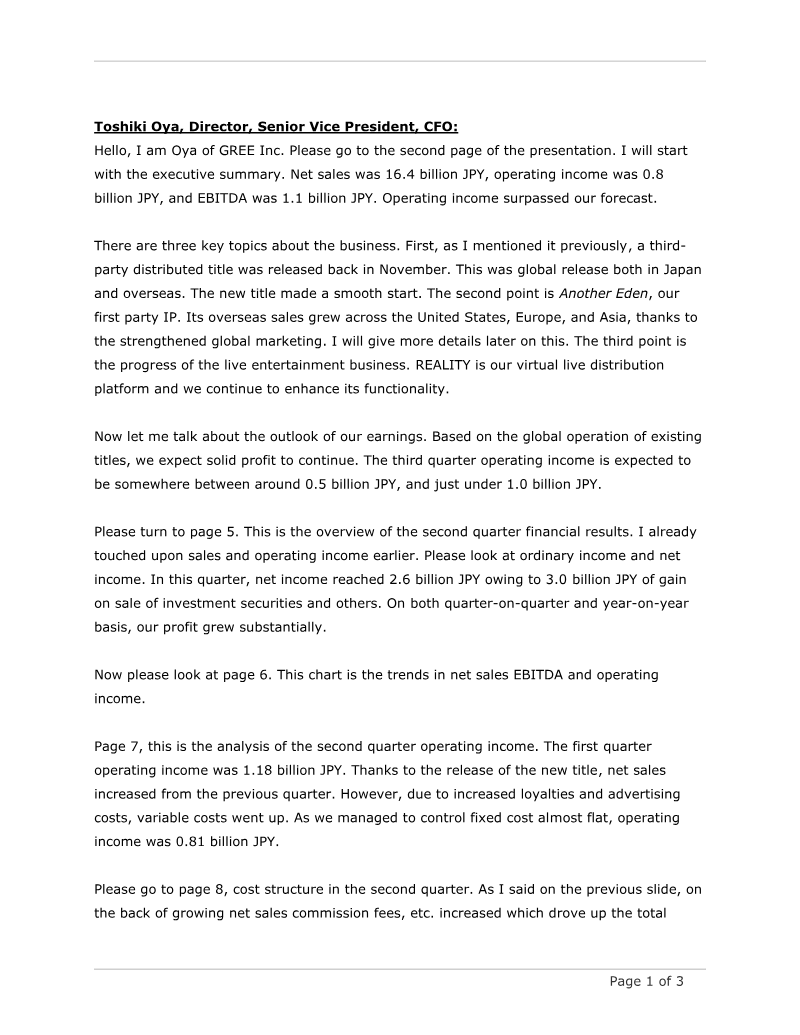
GREE
IGN Entertainment · 2026
GEEIQ · 2026

Almedia · 2026
Gamesight · 2026

InvestGame · 2026

SocialPeta · 2026
SocialPeta · 2026
Anzu · 2026

SocialPeta · 2026
tinyBuild · 2026